Species and Size
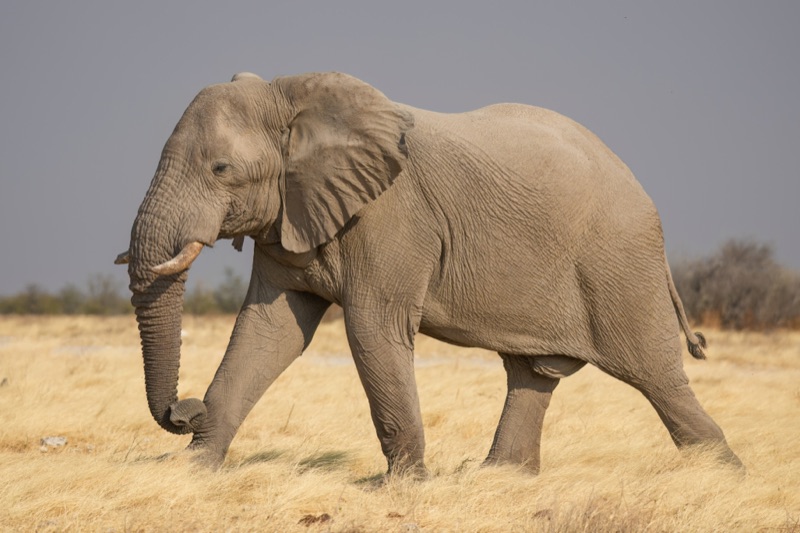
The African savanna elephant is the biggest of the three species. It can stand up to 4 meters (13 feet) tall at the shoulder and weigh as much as 8,000 kilograms (about 9 tons). The African forest elephant is smaller and lives in the dense rainforests of Central and West Africa. Asian elephants are slightly smaller than savanna elephants, weighing up to about 5,500 kilograms, and they can be recognized by their smaller, more rounded ears. One easy way to tell African and Asian elephants apart is ear shape: African elephants have large ears shaped somewhat like the continent of Africa, while Asian elephants have smaller ears.
The Trunk
An elephant’s trunk is one of the most versatile body parts in the animal kingdom. It contains around 40,000 muscles, compared to roughly 600 muscles in the entire human body. Elephants use their trunks to breathe, smell, drink water, grab food, and even greet other elephants. The trunk is strong enough to uproot a small tree, yet sensitive enough to pick up a single blade of grass. African elephants have two finger-like tips at the end of their trunks, while Asian elephants have just one, but both can handle objects with amazing precision.
Tusks and Teeth
Elephant tusks are actually elongated incisor teeth made of ivory. Both male and female African elephants usually grow tusks, but among Asian elephants, only some males develop them. Elephants use their tusks for digging, stripping bark from trees, and defending themselves. Sadly, ivory has been highly valued by humans for centuries, and poaching for ivory remains one of the biggest threats to elephant survival. Beyond their tusks, elephants go through six sets of molars during their lifetime, each new set pushing the worn-out teeth forward and out.
Habitat and Diet
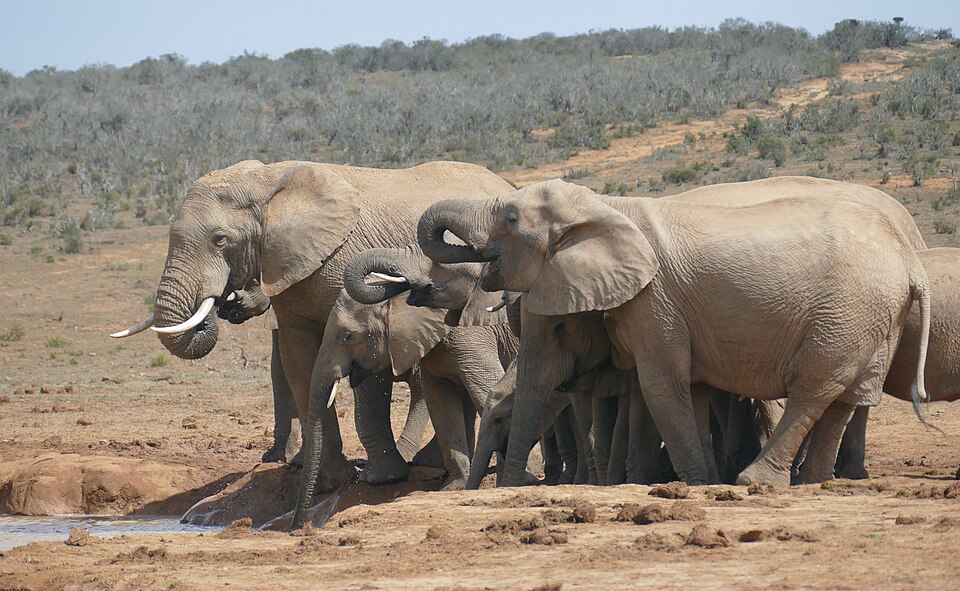
Elephants live in a wide range of habitats, including savannas, grasslands, forests, deserts, and marshes. They are herbivores, meaning they eat only plants. An adult elephant can consume around 100 kilograms (220 pounds) of food every day, including grasses, leaves, bark, fruit, and roots. They also drink up to 100 liters (26 gallons) of water daily. Because they eat so much, elephants spend up to 16 hours a day feeding and can travel long distances in search of food and water.
Social Structure
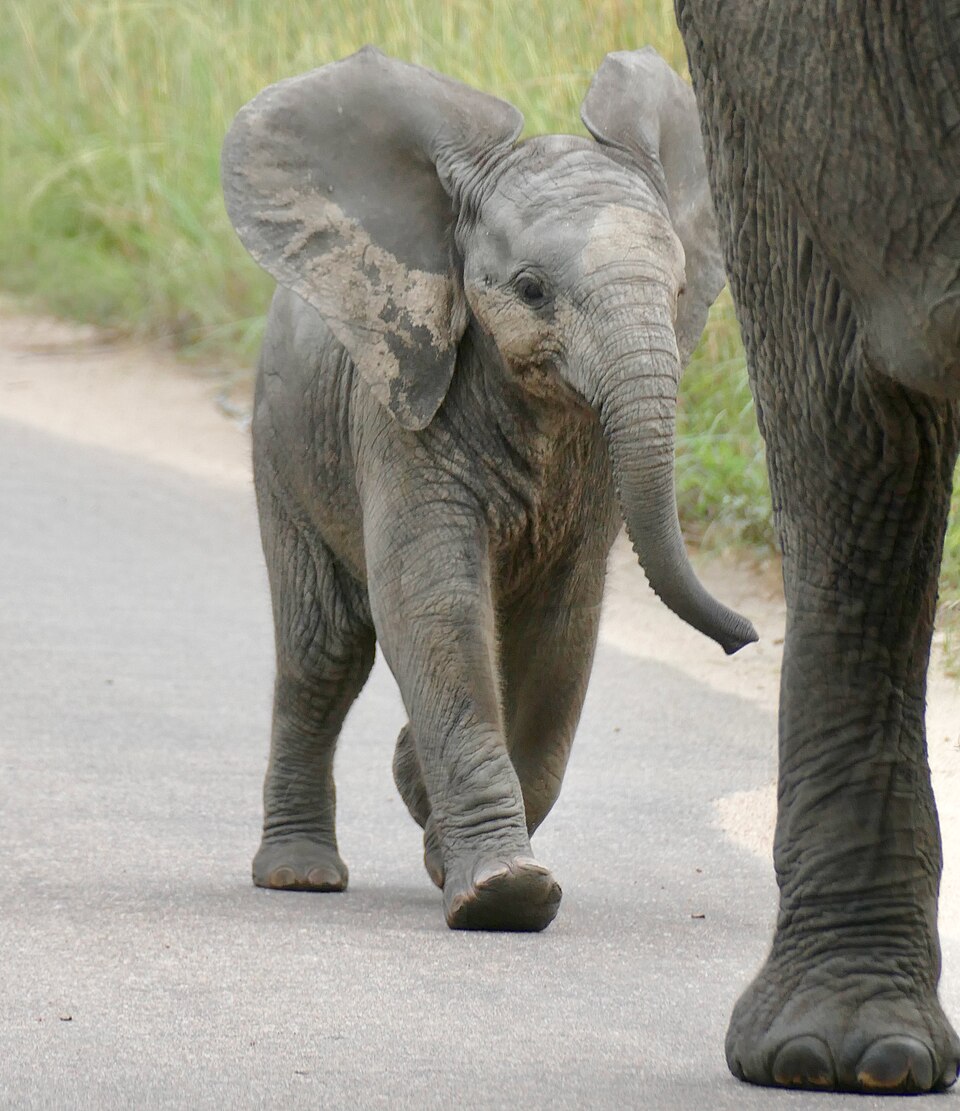
Elephants are highly social animals that live in family groups called herds. A herd is usually led by the oldest and most experienced female, known as the matriarch. She guides the group to water sources and feeding areas, drawing on decades of knowledge about the landscape. Herds are typically made up of related females and their young calves. Male elephants leave the herd when they reach their teenage years and either live alone or form loose groups with other males. Family members communicate using low rumbling sounds that can travel several kilometers through the ground.
Intelligence and Behavior
Elephants are among the smartest animals on the planet. They can recognize themselves in a mirror, which is a sign of self-awareness that very few animals share. They have been observed using tools, such as holding branches to swat flies or dropping logs onto electric fences. Elephants also show strong emotions: they have been seen mourning their dead by gently touching the bones of a deceased family member with their trunks. Their excellent memory helps matriarchs remember the locations of distant water holes during droughts, sometimes recalling routes they have not traveled in years.
Baby Elephants
A mother elephant carries her baby for about 22 months before giving birth, which is the longest pregnancy of any land animal. Newborn calves weigh around 100 kilograms (220 pounds) and can stand within an hour of being born. The whole herd helps protect and raise the calf, with older sisters and aunts acting as babysitters. Young elephants stay close to their mothers for several years, learning important survival skills like how to use their trunks and where to find food and water.
Conservation
All three elephant species face serious threats from habitat loss and poaching. The African forest elephant is classified as Critically Endangered by the International Union for Conservation of Nature (IUCN), with its population declining by more than 80 percent over three generations. The African savanna elephant is listed as Endangered, and the Asian elephant is also Endangered. Conservation programs around the world work to protect elephants by fighting poaching, creating wildlife corridors, and setting aside protected land. Elephants play a vital role in their ecosystems by spreading seeds, creating water holes, and clearing paths through thick forests that other animals then use.
Lifespan
Wild elephants can live for 60 to 70 years, making them one of the longest-lived land mammals. Like humans, elephants go through distinct life stages: playful calves grow into energetic teenagers, then mature into powerful adults. Older elephants are deeply respected within their herds, and the knowledge they carry helps the entire family survive in a changing world.
 OtterKnow Kids Encyclopedia