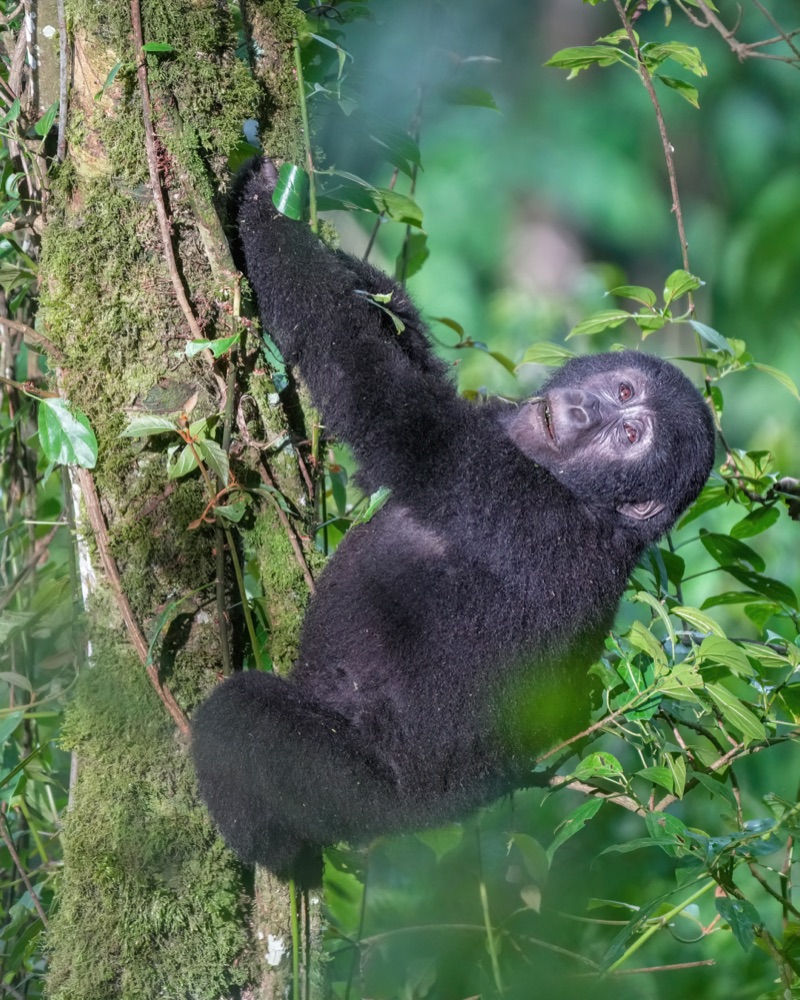
Species
Scientists recognize two species of gorilla, and each species has two subspecies. The eastern gorilla includes the mountain gorilla and the eastern lowland gorilla (also called Grauer’s gorilla). The western gorilla includes the western lowland gorilla and the Cross River gorilla. Western lowland gorillas are the most common subspecies and the type you are most likely to see in a zoo. Mountain gorillas live at high elevations in the misty cloud forests of the Virunga Volcanoes, at altitudes between 2,200 and 4,300 meters (about 7,200 to 14,100 feet). Each subspecies has slightly different physical features and behaviors shaped by the environment it lives in.
Size and Physical Features
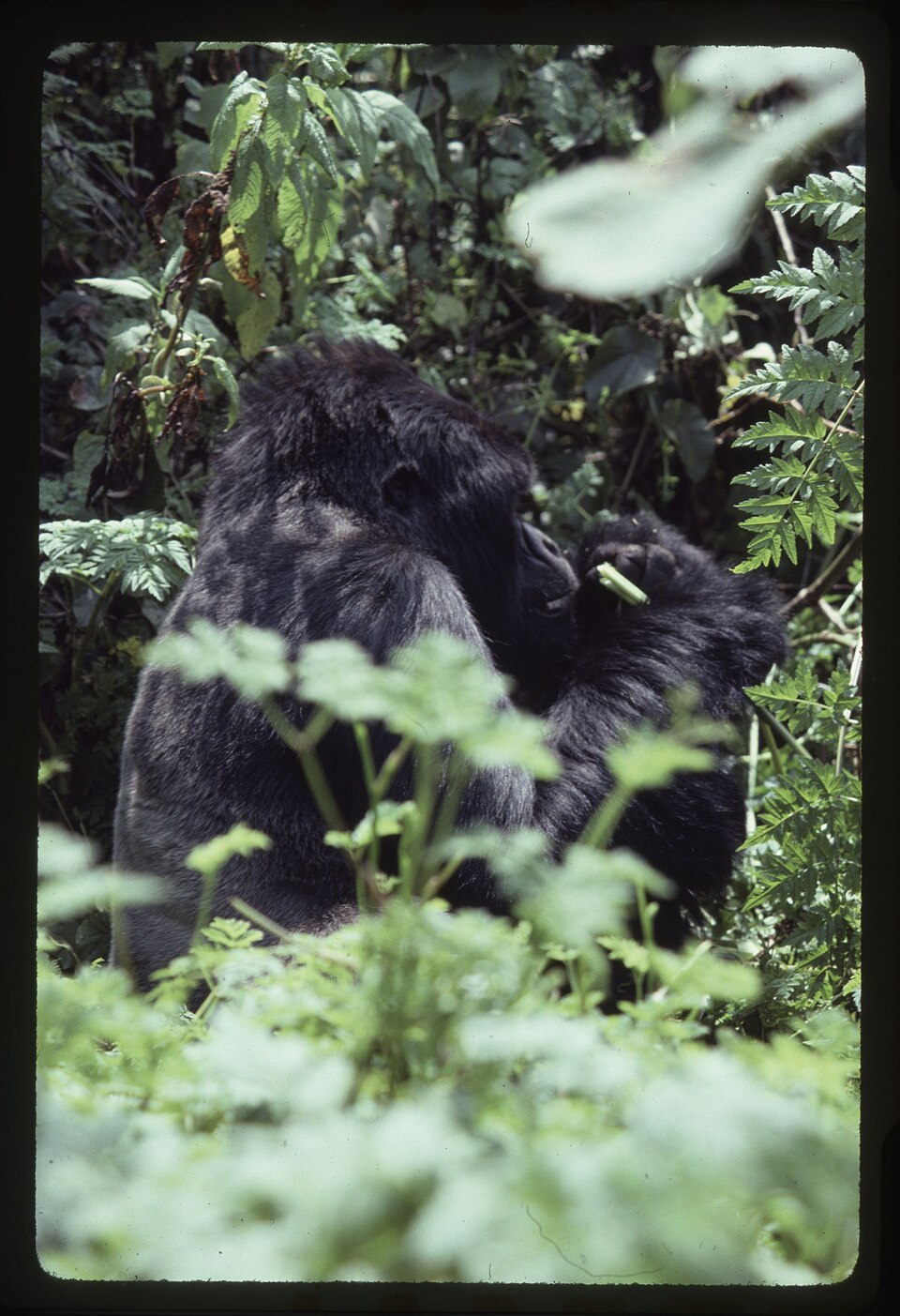
Adult male gorillas can weigh between 135 and 220 kilograms (about 300 to 485 pounds), while females are roughly half that size at 70 to 90 kilograms (154 to 198 pounds). Males can stand up to 1.8 meters (about 5 feet 11 inches) tall when upright. Gorillas have broad chests, muscular arms that are longer than their legs, and large hands with fingers and thumbs much like our own. When a male gorilla reaches about 12 years of age, the hair on his back turns silvery gray, earning him the name “silverback.” This silver patch signals that he is a fully mature adult.
Habitat
Gorillas live in the dense forests of central Africa, but different subspecies occupy different types of habitat. Western lowland gorillas are found in the tropical rainforests and swampy lowlands of countries like Cameroon, Gabon, and the Republic of the Congo. Eastern lowland gorillas live in the forests of the Democratic Republic of the Congo. Mountain gorillas inhabit the cool, misty cloud forests on volcanic mountain slopes in Rwanda, Uganda, and the Democratic Republic of the Congo. All gorillas depend on thick forest cover for food and shelter, which is why deforestation is such a serious threat to their survival.
Diet
Gorillas are mainly herbivores, which means they eat mostly plants. Their diet includes leaves, stems, shoots, bark, and fruit, along with the occasional insect such as ants or termites. An adult gorilla can eat up to 18 kilograms (about 40 pounds) of vegetation in a single day. Mountain gorillas eat more leaves and stems because fruit is scarce at high elevations, while lowland gorillas enjoy a diet richer in fruit. Gorillas rarely need to drink water directly because they get most of their moisture from the juicy plants they eat.
Social Structure
Gorillas live in family groups called troops, which typically have 5 to 30 members. Each troop is led by a dominant silverback male who makes decisions about where the group travels, where they eat, and where they sleep at night. The silverback also protects his family from threats, and he will charge, roar, and beat his chest to scare off intruders. The rest of the troop usually includes several adult females, their young offspring, and sometimes one or two younger males called blackbacks. Bonds within a gorilla troop are strong, and family members groom each other and play together, much like human families do.
Intelligence and Communication
Gorillas are remarkably intelligent animals. They have been observed using tools in the wild, such as sticks to test the depth of water before crossing a stream or branches fashioned into platforms to sit on in muddy areas. Gorillas communicate using a complex system of over 25 different vocalizations, including grunts, barks, hoots, and screams, each with a different meaning. They also use facial expressions and body language to express their emotions. In captivity, some gorillas have even learned to use basic sign language, demonstrating their ability to understand and use symbols to communicate with humans.
Baby Gorillas
Female gorillas give birth to a single baby after a pregnancy of about eight and a half months. Newborn gorillas are tiny compared to adults, weighing only about 1.8 kilograms (4 pounds). Babies cling to their mother’s chest for the first several months and later ride on her back as she moves through the forest. Young gorillas are playful and curious, spending much of their time wrestling, climbing, and chasing each other. They stay close to their mothers for about four to five years, learning which plants to eat, how to build sleeping nests, and how to interact with other members of the troop.
Conservation
All gorilla species and subspecies are listed as Endangered or Critically Endangered by the International Union for Conservation of Nature (IUCN). The biggest threats they face include habitat loss from logging and farming, poaching, and diseases like Ebola that can wipe out entire populations. The mountain gorilla is one conservation success story: thanks to decades of protection and community-based programs in Rwanda, Uganda, and the Democratic Republic of the Congo, their population has grown to over 1,000 individuals. However, the Cross River gorilla remains one of the rarest great apes on Earth, with only about 300 left in the wild. Conservation groups continue to work on protecting gorilla habitats, fighting illegal hunting, and studying these animals to help them survive.
Lifespan
In the wild, gorillas typically live for 35 to 40 years. In captivity, where they receive regular food and veterinary care, they can live beyond 50 years. As gorillas age, they develop gray hair and may slow down, but older silverbacks remain important leaders in their troops. Their experience and knowledge of the forest help the entire family find food and avoid danger, making every member of the troop valuable to the group’s survival.
 OtterKnow Kids Encyclopedia