Built for the Cold
Arctic foxes have some of the best cold-weather adaptations of any mammal. Their fur is the thickest of any animal in the Arctic, with a dense undercoat topped by longer guard hairs that trap warm air close to the body. This insulation is so effective that arctic foxes can withstand temperatures as low as negative 50 degrees Celsius (negative 58 degrees Fahrenheit) without shivering. Even the bottoms of their paws are covered in fur, which helps them walk on ice and snow without slipping or losing heat. Their compact, rounded body shape and short ears, legs, and muzzle all reduce the amount of skin exposed to the cold, keeping precious body heat from escaping.
The Color-Changing Coat
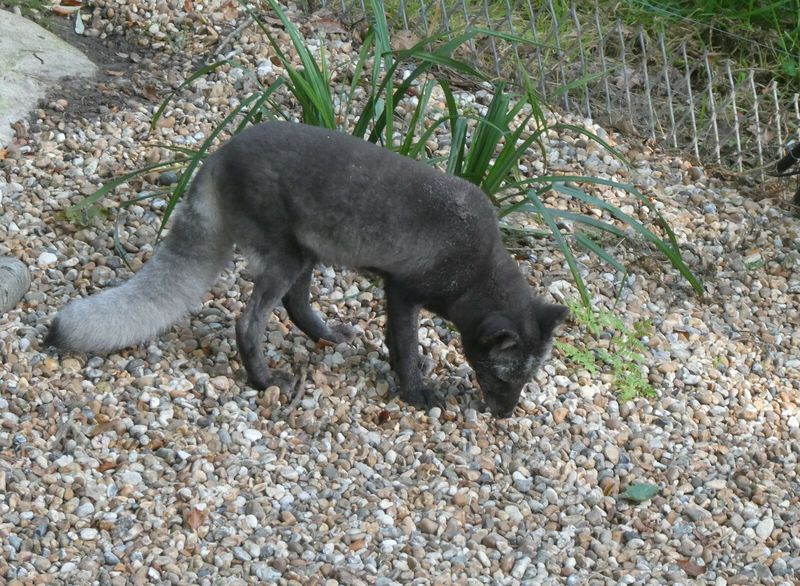
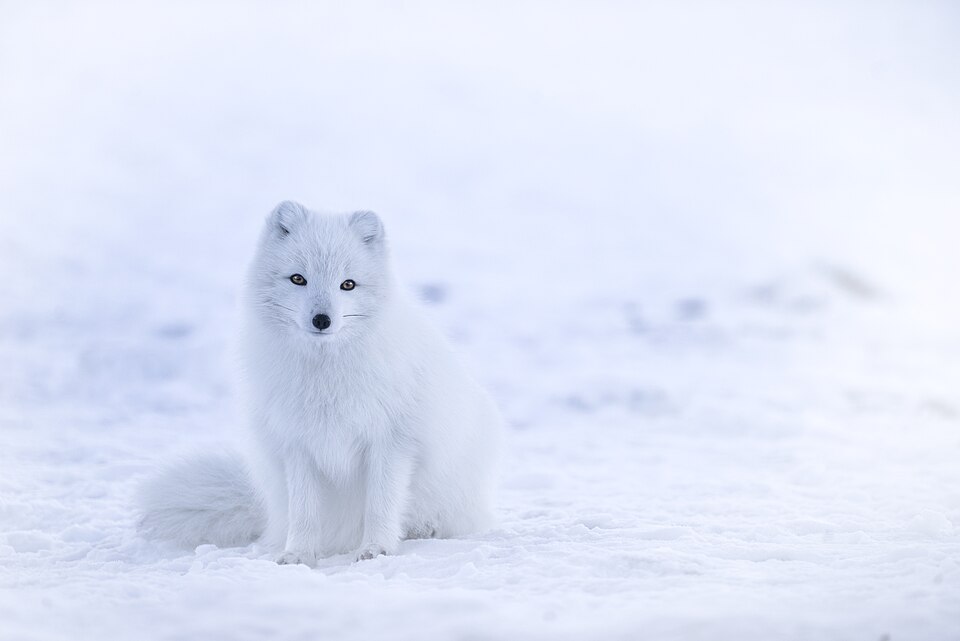
One of the arctic fox’s most amazing features is its seasonal color change. In winter, most arctic foxes grow a brilliant white coat that camouflages them perfectly against the snow-covered tundra. When spring arrives and the snow begins to melt, they shed this white fur and grow a thinner coat of brown or grayish-brown that blends in with the rocks, soil, and low-growing plants of the summer landscape. This twice-yearly transformation helps the fox stay hidden from both predators and prey all year round. A small number of arctic foxes have a “blue morph” coat that is dark gray or bluish-brown in winter instead of white, and these foxes are more common in coastal areas where there is less snow.
Habitat and Range
Arctic foxes live throughout the Arctic tundra, a vast treeless landscape that stretches across the northernmost parts of Canada, Alaska, Greenland, Iceland, Scandinavia, and Russia. They prefer open terrain where they can spot predators and prey, and they tend to avoid dense forests. Some arctic foxes are nomadic travelers, covering enormous distances across sea ice and frozen land in search of food. Researchers have tracked individual foxes traveling thousands of kilometers in a single season, sometimes journeying from the Canadian Arctic all the way to Greenland. Their ability to cross frozen ocean makes them one of the most wide-ranging land predators in the world.
Diet and Hunting
Arctic foxes are opportunistic omnivores, meaning they eat whatever food they can find. Their favorite prey is the lemming, a small rodent that lives in tunnels beneath the snow. An arctic fox can hear a lemming moving under the snowpack from above, and when it pinpoints the sound, it leaps into the air and plunges headfirst through the snow to catch its meal. A single family of foxes can eat dozens of lemmings per day when these rodents are plentiful. Beyond lemmings, arctic foxes also hunt voles, seabirds, and fish, and they eat berries, seaweed, and insects during the summer months. In winter, when food is scarce, they often follow polar bears across the ice, scavenging the leftover scraps from seal kills.
Dens and Family Life
Arctic foxes are monogamous, meaning they usually mate with one partner for life. In spring, pairs seek out underground dens dug into sandy, well-drained hillsides or riverbanks. These dens can be enormous, with networks of tunnels stretching 3 to 4 meters (about 6 to 12 feet) underground and having dozens of entrances. Many dens are used by generations of foxes over hundreds of years, growing larger and more complex as each family digs new tunnels. Arctic foxes prefer dens that face south toward the sun, which helps keep the interior warmer. After a pregnancy of about 52 days, the mother gives birth to a litter that averages seven pups, though litters can be much larger when food is abundant. Both parents work together to feed and protect the young.
Growing Up
Arctic fox pups are born in late spring or early summer, blind and helpless, with dark fur that helps them absorb warmth from the sun. They grow quickly, and within a few weeks their eyes open and they begin exploring the area around the den. The pups are playful and spend much of their time wrestling and chasing each other, which helps them develop the hunting skills they will need as adults. By autumn, the young foxes are nearly full-grown and ready to set out on their own. Most arctic foxes live about 3 to 4 years in the wild, though some have been known to survive much longer.
Predators and Threats
Despite being well-adapted to the Arctic, arctic foxes face several natural predators. Snowy owls, golden eagles, and wolverines all prey on arctic foxes, especially young pups. The red fox, which is larger and more aggressive, has been expanding its range northward into arctic fox territory as the climate warms, competing for food and den sites. Climate change is one of the biggest long-term threats to arctic foxes because warmer temperatures cause the tundra to shrink, reduce sea ice, and shift the balance of prey species like lemmings. In some parts of Scandinavia, arctic fox populations have become critically small, even though the species as a whole is classified as Least Concern by the International Union for Conservation of Nature (IUCN).
Importance in the Ecosystem
Arctic foxes play an important role in the tundra ecosystem. As predators, they help control populations of lemmings and voles, which can otherwise multiply rapidly and damage plant life. Their abandoned dens create sheltered spaces that other animals use. The nutrient-rich soil around fox dens, fertilized by years of food scraps and droppings, often supports patches of lush green vegetation that stand out against the otherwise barren tundra. Scientists sometimes use these green patches to locate ancient den sites from the air. By connecting different parts of the food web, arctic foxes help keep the delicate Arctic ecosystem in balance.
 OtterKnow Kids Encyclopedia