What They Look Like
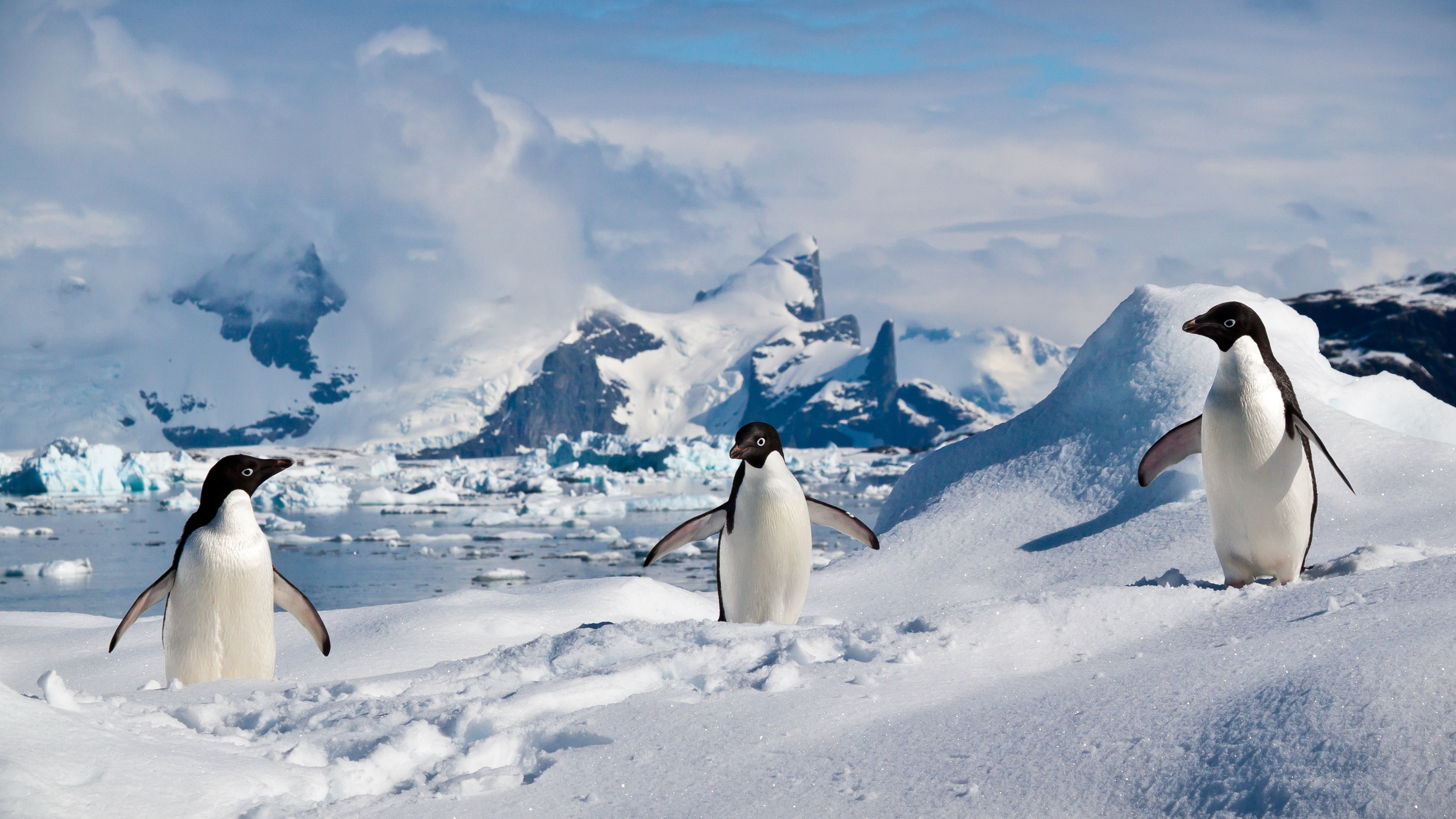
Most penguins share a classic black-and-white color pattern that scientists call “countershading.” Their dark backs blend in with the deep ocean when seen from above, while their white bellies match the bright surface when seen from below, helping them hide from predators and sneak up on prey. Depending on the species, penguins range dramatically in size. The emperor penguin stands nearly four feet tall and can weigh up to 90 pounds (45 kilograms), making it the largest of all penguin species. The little blue penguin, on the other hand, is only about 13 inches (30 centimeters) tall and weighs just over two pounds (one kilogram), roughly the size of a football. Many species also have distinctive markings, such as the bright yellow crests on rockhopper penguins or the orange patches on the sides of an emperor penguin’s head. African penguins have a pattern of black spots on their white chests that is unique to each individual, much like a human fingerprint.
Wings as Flippers
Over millions of years, penguins evolved from flying ancestors into expert divers. Their wings gradually became short, stiff flippers that are perfectly shaped for pushing through water rather than gliding through air. Unlike the hollow, lightweight bones that help other birds fly, penguin bones are solid and dense, acting like a diver’s weight belt to help them sink below the surface. The gentoo penguin is the fastest swimmer, reaching speeds of up to 22 miles per hour (36 kilometers per hour). Emperor penguins can dive to depths of over 1,640 feet (500 meters) and hold their breath for more than 20 minutes, deeper and longer than any other bird. Penguins use their webbed feet and short tails as rudders, steering with precision. On land, their upright posture and short legs give them the famous waddle, but many species also “toboggan” by sliding on their bellies across ice and snow to save energy. Penguins also have dense, waterproof feathers packed tightly together, about 100 feathers per square inch, which trap a layer of warm air against the skin.
Where They Live
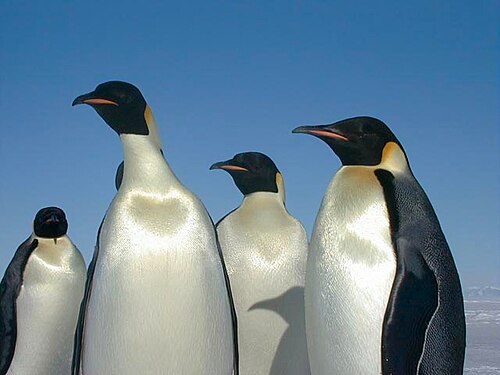
Although people often picture penguins surrounded by snow and ice, not all penguins live in freezing climates. Antarctic species like the emperor and Adelie penguins breed on the frozen shores of Antarctica. Other species thrive in much milder environments. African penguins live along the coast of South Africa, Humboldt penguins nest on the rocky shores of Chile and Peru, Magellanic penguins nest along the temperate coasts of South America, and Galapagos penguins live right on the equator, making them the only penguin species found in the Northern Hemisphere (just barely, on the northern tip of Isabela Island). What all penguin habitats share is access to cold, nutrient-rich ocean currents that supply plenty of fish and other food. No wild penguins live in the Arctic or anywhere in the Northern Hemisphere’s polar regions, even though many people associate them with the North Pole.
What They Eat
Penguins are carnivores that feed almost entirely on marine animals. Their diet typically includes small fish, squid, and tiny shrimp-like creatures called krill. Krill is especially important for species living near Antarctica like Adelie and chinstrap penguins, where enormous swarms of these crustaceans form the base of the ocean food web. King penguins prefer lanternfish and squid that they chase during deep dives. Penguins catch their prey by diving beneath the surface and snatching it with their sharp, backward-facing spines on their tongues and the roofs of their mouths, which prevent slippery fish from escaping.
Life in the Colony
Penguins are highly social animals that live in large groups called colonies, some of which contain hundreds of thousands of birds. Living together provides safety in numbers, since predators like leopard seals and skuas have a harder time picking off individuals from a dense crowd. Colonies are noisy, busy places where penguins communicate using a variety of loud, distinctive calls, and remarkably, partners and chicks can recognize each other’s unique voices even in a group of tens of thousands. Emperor penguins take cooperation to an extreme during the Antarctic winter by forming tight huddles, slowly taking turns moving from the cold outer edge of the huddle to the warm center. These huddles can raise the temperature inside the group to over 100 degrees Fahrenheit, even when it is far below zero outside.
Raising Chicks
Penguin parents put enormous effort into raising their young, and most species are monogamous during a breeding season. Emperor penguins breed during the Antarctic winter, and after the female lays a single egg, she passes it to the male, who balances it on his feet beneath a warm flap of belly skin called a brood pouch. The male fasts for about 65 days through the dark Antarctic winter while the female walks up to 70 miles to the ocean to feed. When she returns, the parents take turns caring for the chick and making hunting trips, regurgitating food into the chick’s mouth. Other species, like the Adelie penguin, build nests out of small stones and take shorter shifts. Penguin chicks grow a thick layer of fluffy down feathers that keeps them warm but are not waterproof, so they cannot swim until they molt into their adult waterproof plumage in a process called fledging.
Penguin Predators
In the ocean, penguins face threats from leopard seals, orcas, and certain species of sharks that patrol the waters near their colonies. On land, the eggs and chicks are vulnerable to seabirds like skuas, giant petrels, and sheathbills that swoop in to steal unguarded meals. To protect themselves underwater, penguins rely on their speed, agility, and countershading camouflage. They also often travel in groups when entering or leaving the water, a behavior sometimes called the “penguin wave.” On shore, adult penguins defend their nests aggressively, pecking and flipper-slapping intruders that come too close. In some regions, introduced predators like foxes, cats, and rats have devastated penguin populations because the birds evolved without land-based mammal predators and have few defenses against them.
Conservation
Several penguin species are classified as endangered or vulnerable, and their populations face growing threats from human activity. Climate change is one of the biggest concerns because rising ocean temperatures shift the distribution of krill and fish that penguins depend on, while shrinking sea ice destroys the resting and breeding habitat for Antarctic species. The African penguin population has declined by more than 95 percent since the early 1900s due to egg harvesting, oil spills, and reduced fish stocks, and the species is now classified as Endangered. Galapagos penguins number only about 1,200 individuals, making them one of the rarest penguin species in the world. Oil spills can coat penguins’ feathers, destroying their waterproofing and exposing them to deadly cold. Overfishing by commercial fleets also competes directly with penguins for the same food sources. Conservation groups around the world are working to establish marine protected areas, clean up oil spills, breed endangered species in captivity, and remove invasive predators from nesting islands, giving these beloved birds a better chance at long-term survival.
 OtterKnow Kids Encyclopedia