What They Look Like
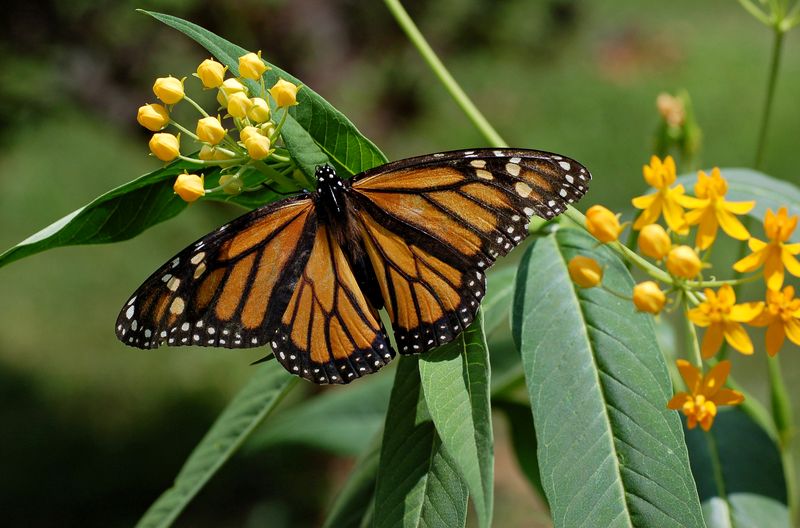
A butterfly’s body is divided into three main parts: the head, the thorax, and the abdomen. On its head, a butterfly has two large compound eyes that can detect colors, including ultraviolet light that humans cannot see. It also has a long, coiled tube called a proboscis that works like a drinking straw, unrolling to sip nectar from flowers. Six legs and four wings attach to the thorax, the middle section of the body. Butterflies range widely in size, from the tiny Western Pygmy Blue, which has a wingspan of only about 1.5 centimeters (roughly half an inch), to the Queen Alexandra’s Birdwing, which can span nearly 30 centimeters (about 12 inches).
Wing Scales and Color
A butterfly’s wings are covered with thousands of tiny overlapping scales, each one smaller than a grain of sand. These scales give the wings their vivid colors and intricate patterns. Some colors come from pigments in the scales themselves, while others are created by the way the scales reflect and bend light, producing shimmering blues, greens, and purples known as structural colors. The Morpho butterfly of Central and South America is famous for this effect: its wings appear a brilliant, electric blue even though the scales contain no blue pigment at all. Wing patterns serve important purposes, including attracting mates, blending in with surroundings, and warning predators that the butterfly may taste bad.
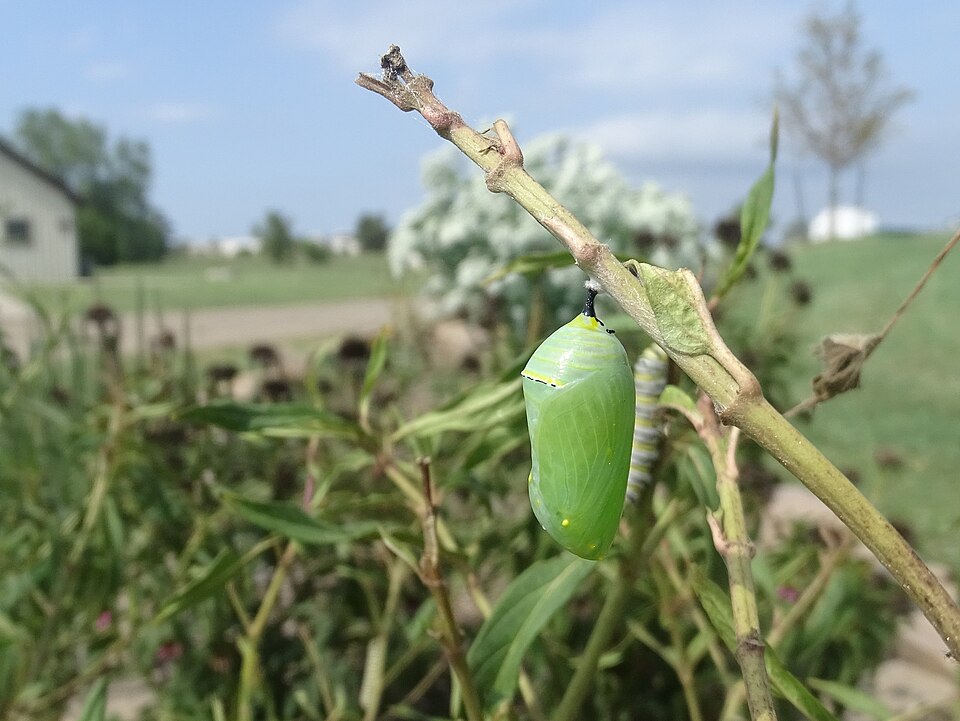
Butterflies go through one of the most dramatic transformations in the animal kingdom, a process called complete metamorphosis. Their life cycle has four distinct stages: egg, larva, pupa, and adult. A female butterfly lays her eggs on a specific type of plant that the caterpillar will eat after hatching. The caterpillar spends most of its time feeding and growing, shedding its skin several times as it gets bigger in stages called instars. When it is fully grown, the caterpillar attaches itself to a branch or leaf and forms a hard protective shell called a chrysalis. Inside the chrysalis, the caterpillar’s body breaks down almost completely and rebuilds itself into an adult butterfly with wings, legs, and antennae, a process that typically takes one to two weeks.
Where They Live
Butterflies live in an enormous variety of habitats, from tropical rainforests and open meadows to mountains and even deserts. The greatest diversity of butterfly species is found in tropical regions near the equator, where warm temperatures and plentiful flowers provide ideal conditions year-round. In cooler climates, butterflies are most active during the warmer months and use different strategies to survive winter, such as migrating, hibernating as adults, or waiting out the cold as pupae or eggs. Some species have very specific habitat needs; the Karner Blue butterfly, for example, depends on wild lupine plants and the open, sandy grasslands where they grow.
What They Eat
Adult butterflies feed mainly on nectar, the sugary liquid produced by flowers. They use their long proboscis to reach deep inside blossoms that other insects cannot access. Besides nectar, some butterflies drink tree sap, juice from rotting fruit, or moisture from mud puddles, a behavior called mud-puddling that helps them absorb minerals and salts. Caterpillars, on the other hand, eat solid plant material and are often very picky eaters. Monarch caterpillars feed almost exclusively on milkweed plants, and the toxins they absorb from the milkweed stay in their bodies even after they become adults, making them taste terrible to birds and other predators.
Migration
The monarch butterfly undertakes one of the longest migrations of any insect. Each fall, millions of monarchs in eastern North America fly up to 4,800 kilometers (about 3,000 miles) from southern Canada and the United States to mountain forests in central Mexico, where they spend the winter clustered together on fir trees. No single butterfly makes the entire round trip; instead, it takes multiple generations to complete the journey north in spring. Scientists believe monarchs navigate using a combination of the sun’s position and Earth’s magnetic field. Other butterfly species migrate as well, including the Painted Lady, which travels across Europe and Africa, sometimes crossing the Sahara Desert.
Butterflies and Flowers
Butterflies are important pollinators, though they work differently from bees. When a butterfly lands on a flower to drink nectar, pollen grains stick to its legs and body and are carried to the next flower it visits. This transfer of pollen helps plants reproduce and produce fruits and seeds. Many flowers have evolved bright colors and sweet scents specifically to attract butterflies. In return, butterflies depend on flowers for the energy-rich nectar they need to fly, find mates, and lay eggs. This relationship between butterflies and flowering plants is a classic example of mutualism, where both species benefit from their interaction.
Conservation
Many butterfly species around the world are declining due to habitat loss, pesticide use, and climate change. In the United States, the monarch butterfly population has dropped significantly over the past few decades, and the species was listed as Endangered by the IUCN in 2022. Habitat destruction removes the wildflowers adults need for nectar and the host plants caterpillars need for food. People can help butterflies by planting native wildflowers, avoiding pesticides in their gardens, and supporting conservation programs that protect butterfly habitats. Butterfly gardens at schools, parks, and homes provide important food and shelter, especially in areas where wild meadows have been replaced by buildings and pavement.
 OtterKnow Kids Encyclopedia