What They Look Like
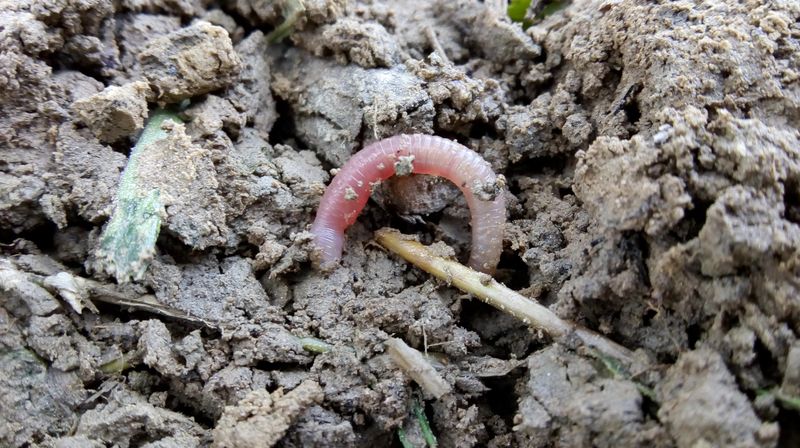
An earthworm’s body is long, soft, and divided into segments that look like tiny rings stacked together. Most common earthworms are reddish-brown or pinkish and range from a few centimeters to about 30 centimeters (12 inches) long, though some tropical species can grow much longer. About one-third of the way down the body, there is a thick, smooth band called the clitellum, which plays an important role in reproduction. Earthworms have no eyes, ears, or lungs, but they can sense light and vibrations through their skin. Each segment has tiny bristles called setae that help the worm grip the soil as it moves.
How They Move
Earthworms move by squeezing and stretching their bodies in a wave-like motion. They have two layers of muscles: circular muscles that wrap around each segment and longitudinal muscles that run along the length of the body. When the circular muscles tighten, the segment gets thinner and longer, pushing the worm forward. When the longitudinal muscles tighten, the segment gets shorter and fatter, pulling the rest of the body along. The tiny setae on each segment act like anchors, gripping the soil so the worm does not slide backward.
Where They Live
Earthworms live in moist soil all around the world, from backyard gardens to forests and river banks. They need damp conditions because they breathe through their skin, and their skin must stay moist for oxygen to pass through it. If the soil becomes too dry or too hot, earthworms dig deeper underground to find cooler, wetter conditions. Some species live just below the surface in the top layer of leaf litter, while others burrow as deep as 2 meters (about 6 feet) into the ground. Heavy rain can force earthworms to the surface, which is why you often see them on sidewalks after a storm.
What They Eat
Earthworms feed on dead and decaying plant material, such as fallen leaves, grass clippings, and tiny bits of organic matter mixed into the soil. They pull leaves down into their burrows at night and let them soften before eating them. Because earthworms have no teeth, they swallow soil and food together, and the material is ground up in a muscular organ called the gizzard. Bacteria and fungi in the soil help break down the food even further as it passes through the worm’s digestive system. An earthworm can eat roughly its own body weight in food and soil every single day.
Castings and Soil Health
After food passes through an earthworm’s body, it comes out the other end as small, nutrient-rich pellets called castings. These castings are packed with nitrogen, phosphorus, and potassium, which are essential nutrients that help plants grow strong and healthy. Earthworm castings also contain beneficial bacteria that improve soil structure and help plants resist disease. Scientists have found that soil with plenty of earthworm castings can hold water much better than soil without them. Farmers and gardeners sometimes call earthworms “nature’s plows” because their burrowing and casting activity does more to enrich the soil than almost any other natural process.
Regeneration
One of the most surprising things about earthworms is their ability to regrow lost body parts. If an earthworm is cut in two, the front half, which contains the brain and vital organs, can often regenerate a new tail. However, the back half usually cannot survive on its own, despite the popular myth that both pieces become new worms. The ability to regenerate depends on the species and on where the cut happens along the body. Scientists study earthworm regeneration to better understand how animal tissues heal and regrow, which could someday help advance human medicine.
Reproduction
Earthworms are hermaphrodites, which means each individual worm has both male and female reproductive parts. Even so, two earthworms must come together to mate, usually on damp nights at the soil surface. They lie side by side and exchange sperm, which is then stored until the eggs are ready. The clitellum produces a slimy, ring-shaped cocoon that slides off the worm’s head and seals shut in the soil, protecting the developing eggs inside. Each cocoon can hold one to several baby worms, which hatch after a few weeks as tiny but fully formed earthworms.
Earthworms and Ecosystems
Earthworms are often called ecosystem engineers because they reshape the environment around them in ways that benefit countless other living things. Their tunnels create channels that allow air and water to reach plant roots deep underground. These same tunnels give smaller creatures like mites, beetles, and bacteria pathways through the soil. Birds, moles, frogs, and many other animals depend on earthworms as a major food source. By breaking down dead plant material and recycling nutrients back into the soil, earthworms keep ecosystems healthy and productive, quietly doing some of the most important work in nature.
 OtterKnow Kids Encyclopedia