What They Look Like
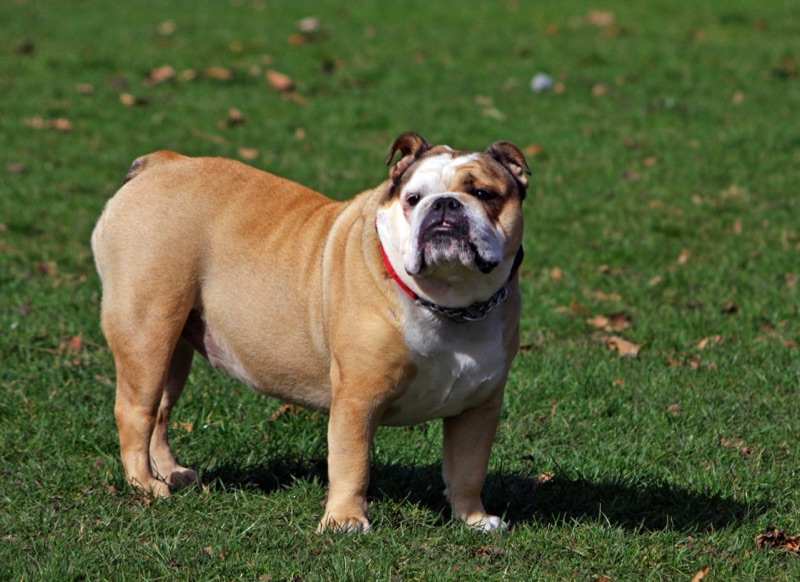
Bulldogs have a wide, muscular body set low to the ground on short, sturdy legs. Their heads are large and broad, with deep folds of skin called wrinkles covering their face and forehead. One of their most distinctive features is their flat, pushed-in nose, which gives them what scientists call a brachycephalic face shape — a term that means “short head.” Bulldogs also have a wide jaw with an underbite, meaning their lower teeth stick out slightly past their upper teeth. Their short, smooth coat comes in several colors, including white, fawn, red, and brindle, which is a mix of dark and light stripes.
From Bull-Baiting to Family Pet
The Bulldog’s history stretches back to 13th-century England, where the breed was originally developed for a cruel sport called bull-baiting. In this activity, dogs were trained to grab onto a bull’s nose and hold on, which required a strong jaw, a low body, and incredible determination. Bull-baiting was finally banned in England in 1835 when Parliament passed the Cruelty to Animals Act. After the ban, Bulldog breeders worked to transform the dog from a fierce fighter into a gentle companion by selecting the calmest, friendliest dogs for breeding over many generations. This careful breeding changed the Bulldog’s temperament so dramatically that today’s Bulldogs are among the most easygoing breeds you can find.
Personality
Bulldogs are known for being affectionate, patient, and surprisingly lazy. They love lounging on the couch and are perfectly happy spending most of the day napping, which makes them excellent apartment dogs. Despite their relaxed nature, Bulldogs can also be playful and sometimes show a stubborn streak — if a Bulldog does not want to go for a walk, it might simply sit down and refuse to move. They form strong bonds with their families and are especially gentle with young children, which is one reason they have been popular family pets for over a century. Bulldogs are also known for their courage and will not hesitate to protect their home if they sense a real threat.
Health Considerations
Because of their flat faces, Bulldogs are prone to a condition called brachycephalic obstructive airway syndrome, which makes it harder for them to breathe, especially in hot or humid weather. Their short noses mean the airways inside are compressed, so Bulldogs often snore, snort, and wheeze even during normal activity. Bulldogs can also overheat quickly because they cannot pant as efficiently as longer-nosed breeds, so owners need to keep them cool and avoid strenuous exercise on warm days. The deep wrinkles on a Bulldog’s face can trap moisture and bacteria, which means owners must clean between the folds regularly to prevent skin infections. Bulldogs also commonly experience joint problems and allergies, so regular veterinary checkups are especially important for this breed.
Bulldogs as Pets
Owning a Bulldog can be a wonderful experience, but it comes with some unique responsibilities. Because Bulldogs are sensitive to heat and do not need a lot of exercise, a daily short walk and some indoor playtime are usually enough to keep them healthy and happy. Their short coat is easy to groom — a quick brushing once a week keeps it looking shiny — but those facial wrinkles need to be wiped clean every day or two. Bulldogs can be slow learners during training, not because they are unintelligent but because they are independent thinkers who like to do things at their own pace. Patience, positive reinforcement, and plenty of treats are the best way to train a Bulldog successfully.
Bulldogs as Symbols
The Bulldog holds a special place as a national symbol of England and the United Kingdom, where it represents determination, courage, and grit. During World War II, the Bulldog became closely associated with British Prime Minister Winston Churchill, whose round face and fierce resolve reminded people of the breed, even though Churchill himself actually owned poodles. In the United States, the Bulldog is one of the most popular mascots for schools and sports teams, including Georgetown University, Butler University, and the United States Marine Corps. The breed’s tough appearance combined with its loyal personality makes it a natural symbol for teams and organizations that want to project both strength and heart. Around the world, Bulldogs appear in advertisements, logos, and popular culture more than almost any other dog breed.
Other Bulldog Breeds
The English Bulldog is just one member of a larger family of Bulldog-type breeds. The French Bulldog, which is smaller and has large bat-like ears, has become one of the most popular dog breeds in the world in recent years. The American Bulldog is taller and more athletic than its English cousin, with a longer nose that gives it fewer breathing problems. The Olde English Bulldogge is a newer breed created in the 1970s by crossing Bulldogs with other breeds to produce a healthier dog that looks more like the original Bulldogs of the 1800s. Each of these breeds has its own unique characteristics, but they all share the Bulldog’s signature wide stance, muscular build, and determined personality.
 OtterKnow Kids Encyclopedia