What They Look Like
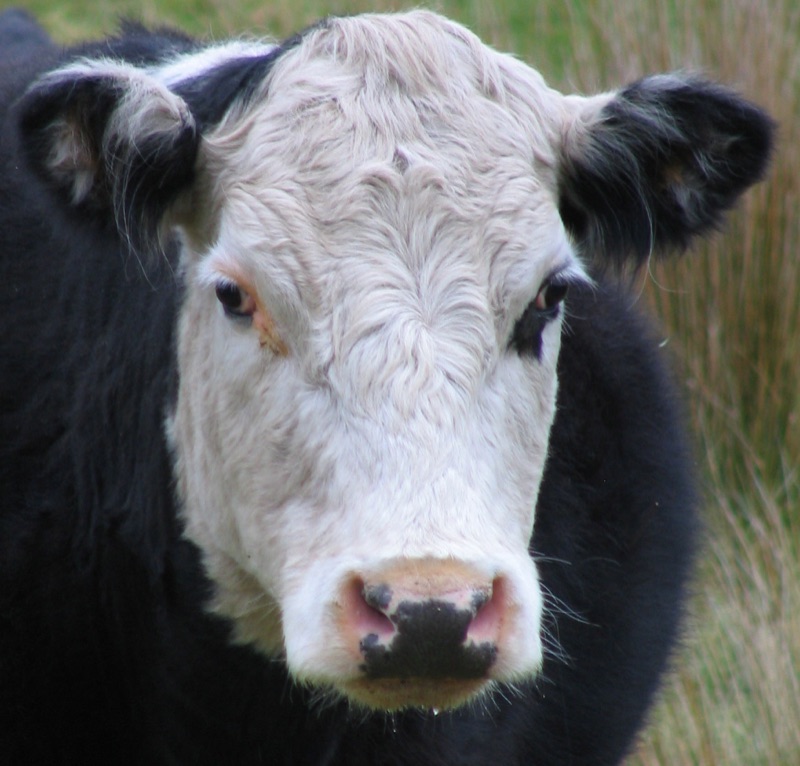
Cattle are large, sturdy mammals with broad bodies, four strong legs, and cloven hooves, meaning each hoof is split into two toes. Most breeds have a pair of curved horns, though many dairy breeds have been selectively bred to be naturally hornless, a trait called “polled.” Their coats can be solid black, white, brown, red, or spotted in dramatic patterns like the black-and-white patches of the famous Holstein. A full-grown cow typically weighs between 450 and 680 kilograms (about 1,000 to 1,500 pounds), while bulls are even heavier, sometimes exceeding 1,000 kilograms. Cattle have nearly panoramic vision, seeing about 330 degrees around them without turning their heads, which helps them spot predators approaching from almost any direction.
The Four-Chambered Stomach
One of the most fascinating things about cattle is their digestive system. They are ruminants, which means they have a stomach divided into four compartments: the rumen, reticulum, omasum, and abomasum. When a cow eats grass, the food first enters the rumen, the largest compartment, where billions of microorganisms begin breaking down tough plant fibers that most animals cannot digest. Later, the cow brings this partially digested food, called cud, back up to its mouth and chews it again, a process that can take up to eight hours a day. This remarkable system allows cattle to turn simple grass into the energy and nutrients they need to grow, produce milk, and stay healthy.
From Wild Aurochs to Domestic Cattle
All of today’s cattle descend from a wild ancestor called the aurochs, a massive animal that once roamed across Europe, Asia, and North Africa. Aurochs stood nearly two meters tall at the shoulder and had long, forward-curving horns that made them formidable creatures. Scientists believe humans first domesticated cattle around 10,000 years ago in the region of the Fertile Crescent, in what is now Turkey and the Middle East. A separate domestication event occurred in the Indus Valley of South Asia, giving rise to the humped zebu breeds seen in India and tropical countries today. The last known wild aurochs died in a Polish forest in 1627, but their legacy lives on in every breed of cattle on the planet.
Dairy Cows
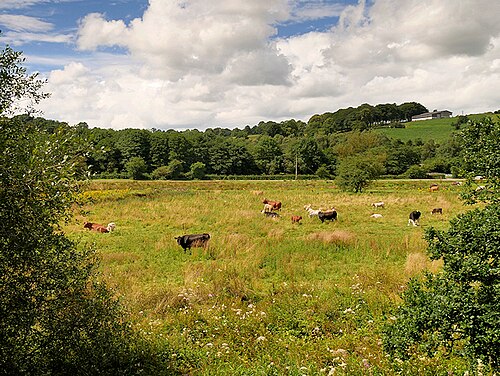
Dairy cattle are breeds that have been developed over centuries to produce large quantities of milk. The Holstein-Friesian is the most popular dairy breed in the world, and a high-producing Holstein can give more than 30 liters (about 8 gallons) of milk per day. Other well-known dairy breeds include the Jersey, prized for its rich, creamy milk, and the Brown Swiss, one of the oldest dairy breeds on record. On modern dairy farms, cows are usually milked two or three times a day using automated milking machines. The milk is then pasteurized and processed into a wide variety of products, including cheese, butter, yogurt, and ice cream.
Beef Cattle
While dairy breeds are valued for milk, beef cattle are raised primarily for meat. Popular beef breeds include the Angus, known for its well-marbled meat, the Hereford with its distinctive red body and white face, and the Brahman, a zebu breed especially well-suited to hot climates. Beef cattle often spend much of their lives grazing on open pastures and rangeland, converting grass that humans cannot eat into protein-rich food. In many parts of the world, cattle ranching has been an important way of life for centuries, shaping the cultures of the American West, the Argentine Pampas, and the Australian Outback. Different countries and cultures have developed their own traditions and techniques for raising and preparing beef.
Cattle Around the World
Cattle play a role in cultures and economies on nearly every continent. India has the largest cattle population of any country, with over 300 million head, and cows hold a sacred status in Hinduism, meaning they are respected and protected rather than raised for meat. Brazil and the United States are the world’s top beef-producing nations, with vast ranches stretching across their landscapes. In parts of East Africa, cattle are a sign of wealth and social status, and some communities like the Maasai have built their entire way of life around herding cattle. Whether pulling plows in Southeast Asian rice paddies or grazing on Swiss alpine meadows, cattle have adapted to an astonishing variety of climates and purposes around the globe.
Cattle and the Environment
Cattle farming has a significant impact on the natural world, and understanding that impact is important. As ruminants digest their food, microbes in their stomachs produce methane, a potent greenhouse gas that contributes to climate change. The world’s cattle collectively release millions of tons of methane into the atmosphere each year, making livestock one of the largest agricultural sources of greenhouse gas emissions. Cattle ranching has also been a major driver of deforestation, particularly in the Amazon rainforest, where forests are cleared to create pasture. However, researchers are working on solutions, including feed additives that reduce methane production and grazing techniques that can actually help store carbon in the soil. Finding a balance between raising cattle for food and protecting the environment is one of the important challenges of our time.
Behavior and Intelligence
Cattle are more intelligent and emotional than many people realize. Studies have shown that cows can recognize the faces of dozens of other cattle and remember them for years. They form close friendships, often choosing to spend time with the same companions, and they can become stressed when separated from their preferred partners. Cows have also been shown to experience a burst of excitement when they solve a puzzle, suggesting they enjoy the process of learning. Mother cows are devoted to their calves, communicating with them using a variety of low-pitched calls that each calf learns to recognize. Far from being simple farm animals, cattle have rich social lives and emotional experiences that scientists are only beginning to fully understand.
 OtterKnow Kids Encyclopedia