Sticky Toes and Climbing
Tree frogs are champion climbers, and the secret lies in their remarkable toe pads. Each toe pad is covered with thousands of microscopic, pillar-like structures that create a force called van der Waals force, which allows the frog to stick to almost any surface. This is not suction — it is a molecular attraction between the tiny structures on the toe pad and the surface the frog is touching. Tree frogs can cling to smooth glass, wet leaves, and even hang upside down from branches without slipping. They also produce a thin layer of mucus on their toe pads that helps fill in tiny gaps and strengthens their grip, making them some of the most agile climbers in the animal kingdom.
Bright Colors and Camouflage
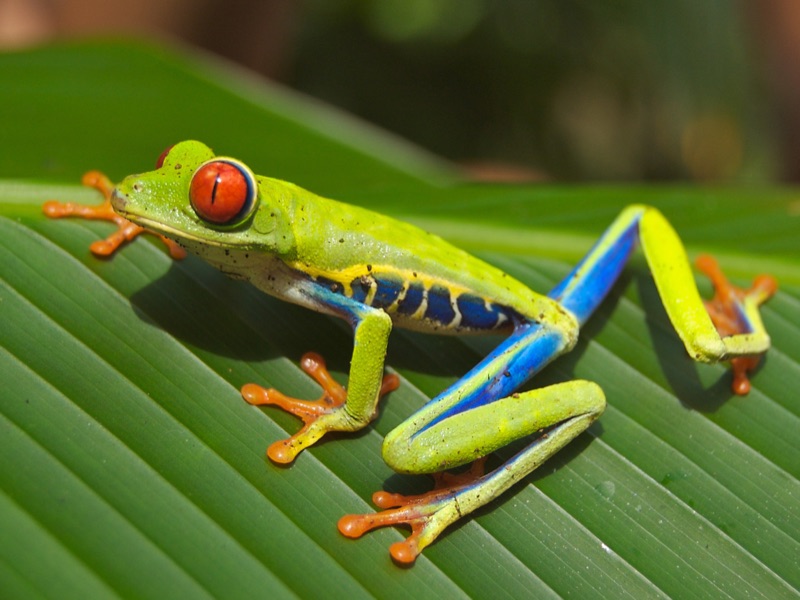
Tree frogs come in an amazing range of colors, from bright greens and blues to vivid reds and oranges. Many green tree frogs use their color as camouflage, blending perfectly with leaves and mosses so predators cannot spot them. However, some species like poison dart frogs use their brilliant colors as a warning signal, a strategy scientists call aposematism, which tells predators that they are toxic and dangerous to eat. The red-eyed tree frog uses a clever trick called startle coloration — when threatened, it flashes its bright red eyes and blue-striped sides to momentarily confuse a predator, giving the frog just enough time to leap away. Glass frogs take a completely different approach, with skin on their bellies so transparent that you can actually see their hearts, bones, and organs from underneath.
Life Cycle
Like all amphibians, tree frogs go through a process called metamorphosis, transforming dramatically as they grow. Most tree frogs lay their eggs on leaves overhanging water or directly in small pools of water that collect in plants called bromeliads. When the eggs hatch, tiny tadpoles emerge with gills and tails, living an entirely aquatic life as they feed on algae and tiny organisms. Remarkably, tadpoles of some species can detect chemical signals released by predators in the water and respond by growing larger tails and deeper bodies to help them escape. Over several weeks, the tadpoles gradually develop legs, absorb their tails, grow lungs for breathing air, and transform into miniature frogs ready to climb into the trees.
Calling at Night
Most tree frogs are nocturnal, meaning they are active during the night when the air is cool and humid. Male tree frogs are the singers of the amphibian world, producing loud and distinctive calls to attract females during the breeding season. Each species has its own unique call, from the high-pitched peeping of spring peepers to the honking bark of the barking tree frog. Males inflate a vocal sac beneath their chin like a balloon to amplify the sound, and some choruses of calling frogs can be heard from over a mile away. Females listen carefully and choose their mates based on the strength, pitch, and duration of the call, preferring males that demonstrate the most energy and fitness.
What They Eat
Tree frogs are carnivores that feed primarily on insects and other small invertebrates. Their diet includes flies, moths, crickets, beetles, ants, and spiders, which they catch with a quick flick of their sticky tongue. Larger species of tree frogs may also eat small lizards, other frogs, and even tiny mice. Tree frogs are ambush predators, sitting perfectly still on a branch or leaf until an unsuspecting insect wanders close enough to grab. Their excellent night vision and ability to detect movement make them efficient hunters in the dark forest canopy.
Where They Live
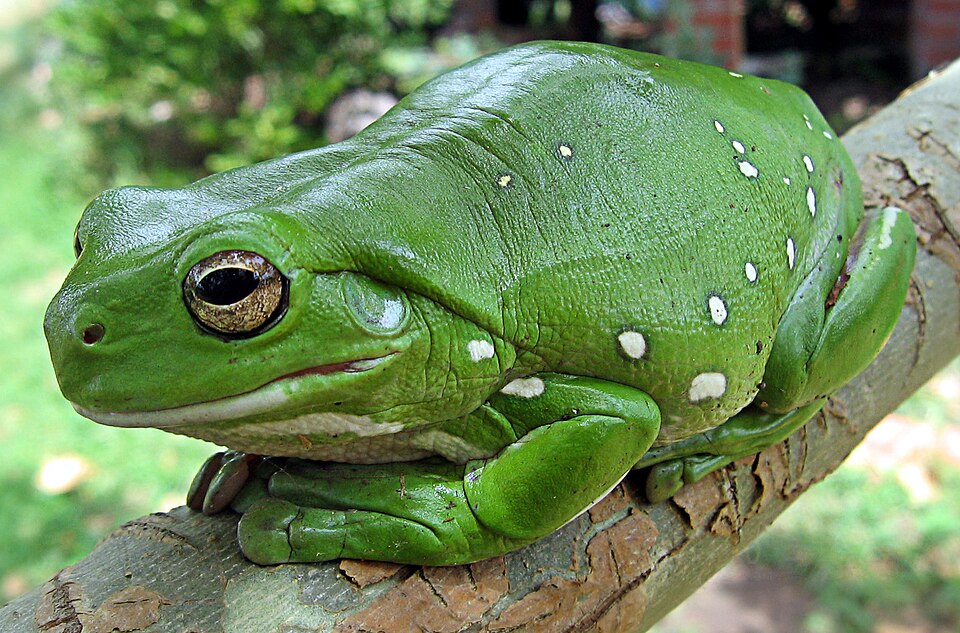
Tree frogs are found in tropical rainforests, temperate woodlands, swamps, and even in backyards across much of the world. The greatest diversity of tree frog species is found in the tropical rainforests of Central and South America, Southeast Asia, and northern Australia. Some species have adapted to surprisingly harsh environments — the gray tree frog of North America can survive freezing winters by producing a natural antifreeze in its blood that prevents ice crystals from destroying its cells, allowing it to freeze solid and thaw out alive in spring. Tree frogs need moist environments because they absorb water through their skin rather than drinking it, and they are often found near ponds, streams, or in the humid upper layers of the forest canopy.
Conservation
Many tree frog species around the world are facing serious threats to their survival. Habitat destruction, especially the clearing of tropical rainforests for farming and development, is the biggest danger because it removes the trees and water sources these frogs depend on. A deadly fungal disease called chytrid fungus has devastated amphibian populations worldwide, wiping out entire species of tree frogs in some regions. Climate change also poses a growing threat by altering rainfall patterns and temperatures in ways that can dry out the moist habitats tree frogs need. Scientists and conservation organizations are working to protect remaining forests, breed endangered species in captivity, and research treatments for chytrid fungus to ensure that these skilled climbers continue to thrive in treetops around the world.
 OtterKnow Kids Encyclopedia