Observing Animals Closely
The most important step in drawing animals is learning to really look at them. Before you put pencil to paper, spend time watching how an animal is shaped, how it moves, and what makes it different from other animals. Notice the proportions: Is the head large compared to the body? Are the legs long or short? Where do the joints bend?
Many artists visit zoos, farms, or parks to sketch animals from life. Drawing from real animals teaches you things that photographs cannot, like how an animal shifts its weight or turns its head. Even watching videos of animals in slow motion can help you understand their movements. The more time you spend observing, the more accurate and lively your drawings will become.
Proportions and Basic Shapes
Professional animal artists start every drawing with basic shapes. A dog’s body might begin as a large oval, its head as a smaller circle, and its legs as simple cylinders. By getting these proportions right first, you create a solid framework before adding any details.
Different animals have very different proportions. A giraffe’s neck can be over six feet long, making up a huge part of its body. A frog’s back legs are much longer than its front legs, which is what gives it the ability to jump so far. Learning to measure and compare the sizes of body parts is one of the most valuable skills in animal drawing. Many artists use a pencil held at arm’s length to compare the sizes of different body parts before they begin drawing.
Gesture Drawing and Movement
Gesture drawing is a technique where you sketch an animal very quickly, usually in 30 seconds to two minutes. The goal is not to draw every detail but to capture the animal’s pose, energy, and movement. These quick sketches are loose and messy, and that is perfectly fine.
This technique is especially useful for animals because they rarely sit still. A gesture drawing of a running cheetah might be just a few curved lines suggesting speed and power. Practicing gesture drawing regularly trains your hand and eye to work together quickly. Many professional animators, including those at studios like Disney and Pixar, practice gesture drawing every day to keep their skills sharp.
Animals can be drawn using many different tools, and each creates a different effect. Graphite pencils are great for detailed, realistic drawings because you can create smooth shading and fine lines. Charcoal is perfect for bold, dramatic sketches with strong contrast between light and dark areas. Colored pencils let you build up layers of color to match an animal’s fur, feathers, or scales.
Ink drawing, using pens or brushes with ink, creates crisp, permanent lines and is popular for scientific illustration. Pastels can capture the soft texture of animal fur beautifully. Some artists combine multiple media in a single drawing, such as using pencil for the outline and watercolor for the color. Experimenting with different tools helps you discover which ones feel most natural to you.
Famous Animal Artists
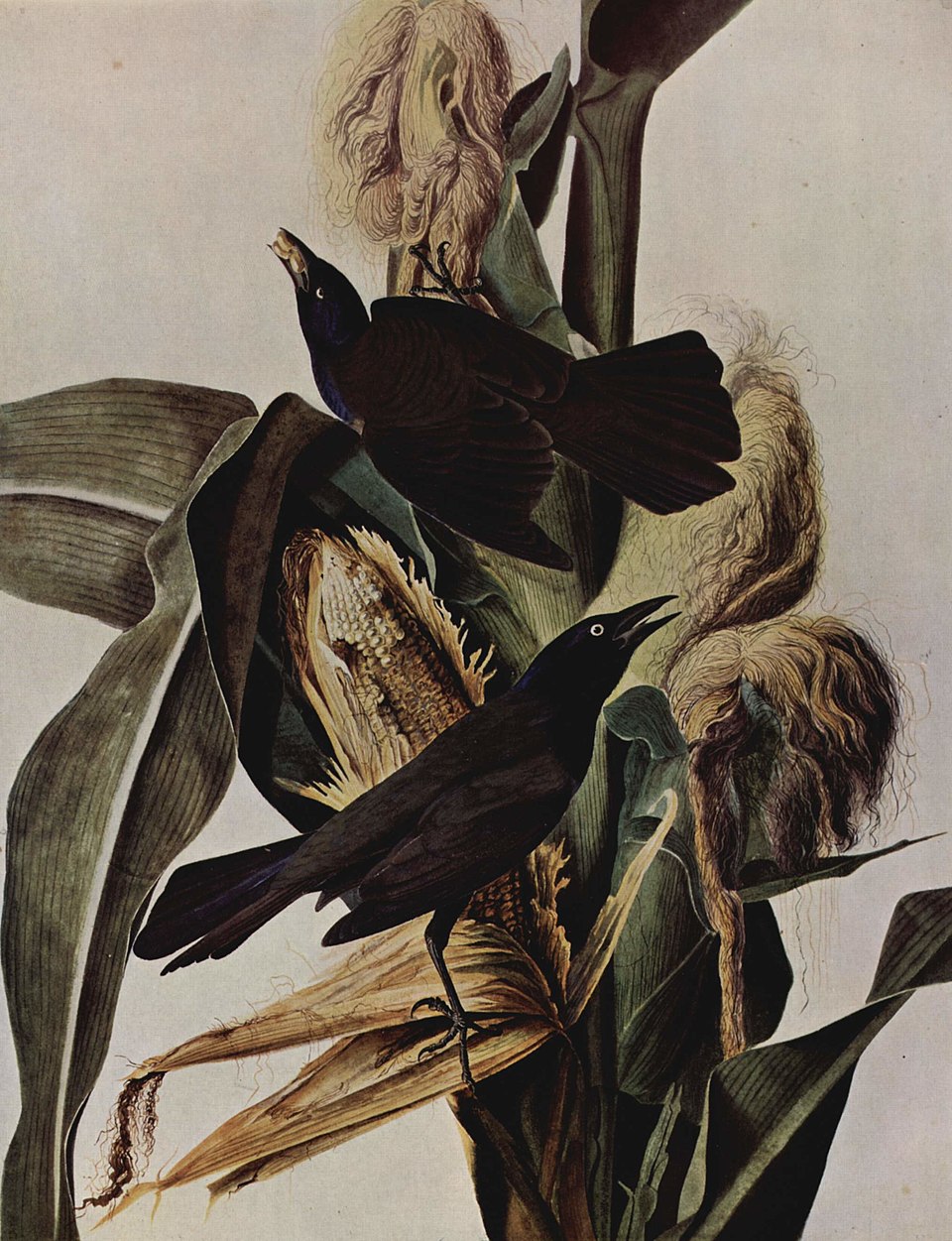
Throughout history, many artists have become famous for their animal drawings. Albrecht Durer, a German artist from the 1500s, created extremely detailed drawings and prints of animals, including his famous “Young Hare” from 1502, which shows every strand of fur. John James Audubon spent years traveling across North America in the early 1800s to draw and paint every bird species he could find, producing 435 life-sized prints in his book “The Birds of America.”
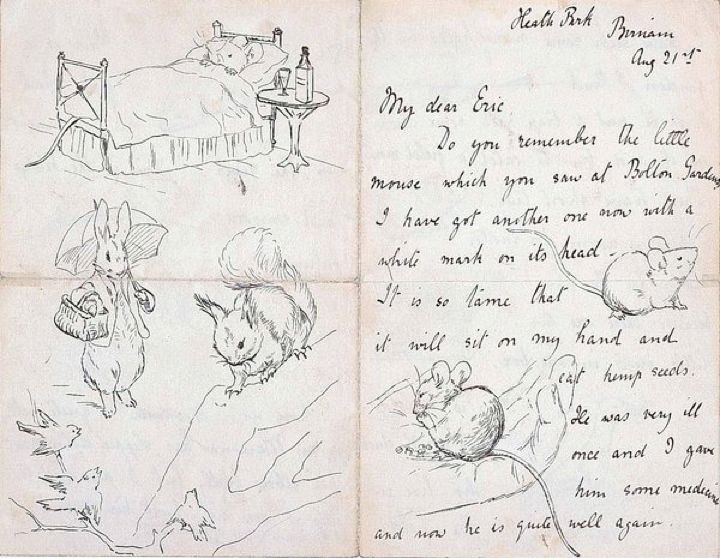
Beatrix Potter, the creator of Peter Rabbit, was a skilled natural history artist who studied animals carefully before turning them into beloved storybook characters. Today, wildlife illustrators continue this tradition, creating accurate and beautiful drawings for field guides, nature magazines, and conservation organizations. Their work helps people appreciate and protect animals around the world.
Tips for Improving Your Animal Drawings
The best way to improve is to draw regularly. Keep a sketchbook and try to draw animals for at least a few minutes each day. Start with animals that stay still, like sleeping pets or animals in photographs, before moving on to animals in motion. Study the skeleton and muscles of animals you want to draw, because understanding what is underneath the fur or feathers helps you draw the outside more accurately.
Do not be afraid of making mistakes. Even experienced artists throw away many drawings for every one they keep. Try drawing the same animal from different angles and in different poses. Compare your drawings to reference photos to see what you can improve. Over time, you will develop your own style and be able to draw animals with confidence and skill.
 OtterKnow Kids Encyclopedia