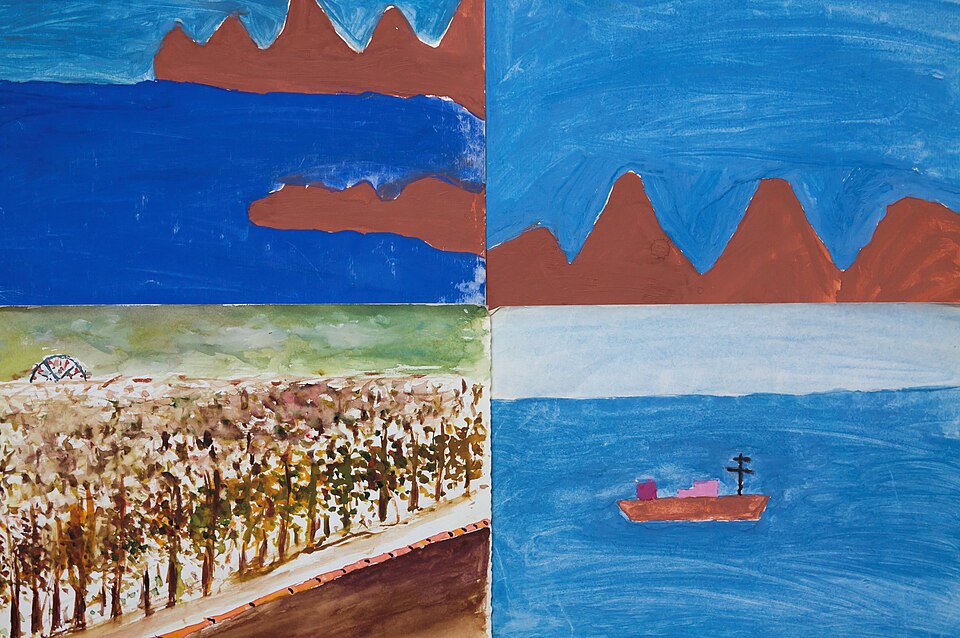
A line is the most basic element of art — it is simply a mark that moves from one point to another. Lines can be straight, curved, thick, thin, jagged, or smooth, and each type creates a different feeling. A shape is created when a line connects back to itself, forming a flat, two-dimensional area like a circle, triangle, or rectangle. Form takes shape one step further by adding the illusion of depth, turning a circle into a sphere or a square into a cube. Artists use shading and perspective to make flat shapes look like three-dimensional forms on paper or canvas.
Space and Value
Space refers to the area around, between, and within objects in a piece of art. Positive space is where the main subject is, while negative space is the empty area around it, and skilled artists pay attention to both. Value describes how light or dark something is, ranging from pure white to the deepest black with many shades of gray in between. Artists use value to create contrast, show where light falls on an object, and guide the viewer’s eye through a composition. A drawing made with only light values feels very different from one that uses strong darks and lights together.
Color and Texture
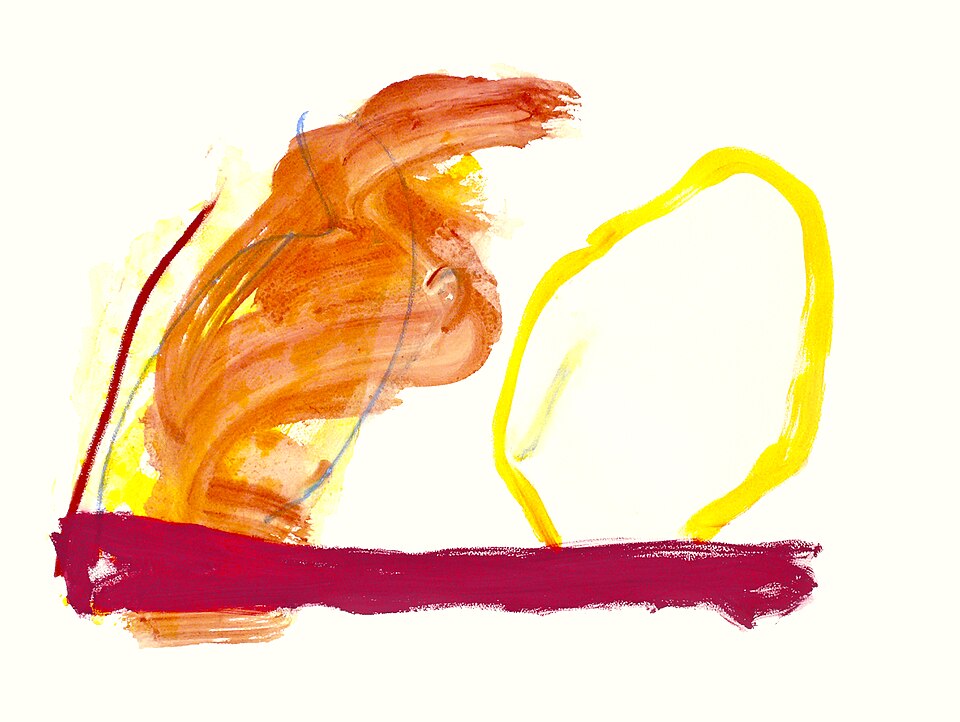
Color is one of the most powerful elements of art because it immediately affects how a viewer feels. Every color has three properties: hue (the name of the color, like red or blue), value (how light or dark it is), and saturation (how bright or dull it is). Texture describes how a surface feels or looks like it would feel if you could touch it. Artists can create actual texture, like the bumpy surface of thick paint, or implied texture, where a smooth surface is painted to look rough or fuzzy. Combining color and texture gives artists enormous control over the mood and realism of their work.
Principles of Design
The principles of design are guidelines artists use to organize the elements of art into a successful composition. Balance means distributing visual weight evenly so a piece of art does not feel like it is tipping to one side. Contrast places different elements next to each other — like dark next to light or rough next to smooth — to create interest and excitement. Emphasis draws the viewer’s attention to the most important part of the artwork, while rhythm and pattern use repetition to create movement and flow. Unity ties everything together so the artwork feels complete and all the parts belong together.
Looking at Art Like an Artist
Learning the elements of art and principles of design gives you a language for discussing any artwork you encounter. Instead of just saying you like or dislike a painting, you can explain that you enjoy how the artist used complementary colors or created a sense of depth with overlapping shapes. Art museums and galleries become more exciting when you can spot how different artists solve similar visual problems. You can also use this knowledge to improve your own art by asking yourself which elements are working well and which could be stronger. The more you practice looking closely and using art vocabulary, the more you will see in every piece of art.
 OtterKnow Kids Encyclopedia