Types of Paint
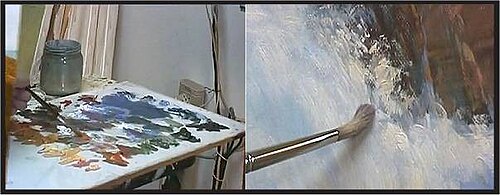
Different kinds of paint behave in very different ways, and each has its own strengths. Oil paint dries very slowly, sometimes taking days or even weeks, which gives artists plenty of time to blend colors and make changes. Acrylic paint dries much faster and can be mixed with water, making it a favorite for students and beginners. Watercolor paint is transparent, meaning light passes through the thin layers of color and bounces off the white paper underneath, creating a soft, glowing effect. Tempera paint uses egg yolk as a binder and was the most common paint in Europe during the Middle Ages before oil paint became popular.
Brushwork and Application
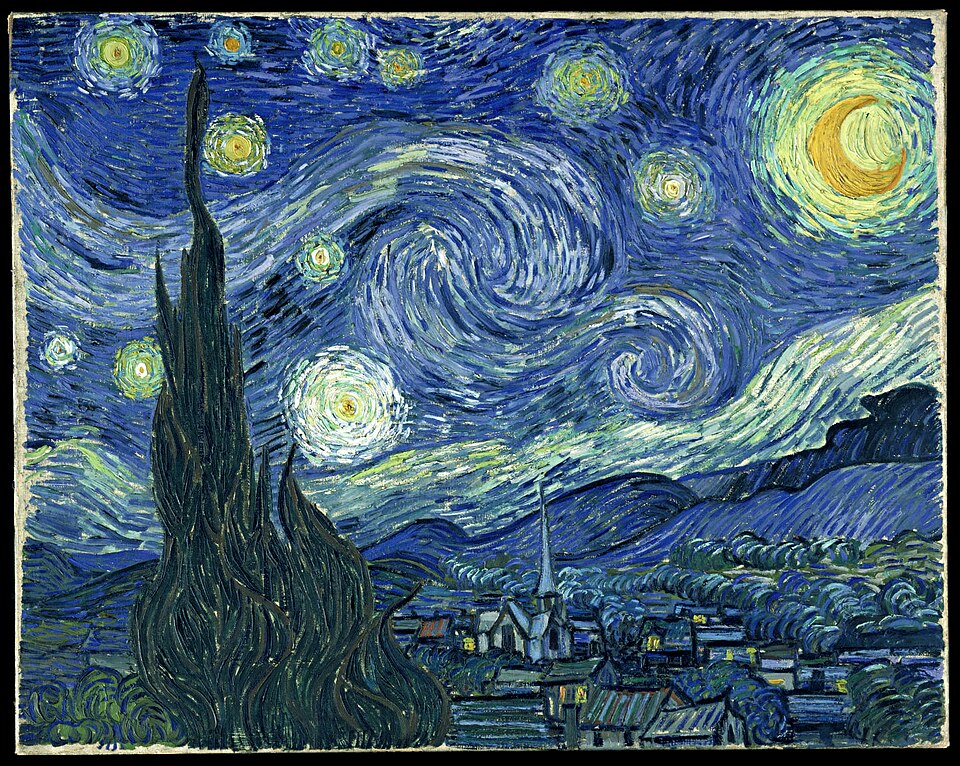
The way an artist applies paint is just as important as the paint itself. Impasto is a technique where paint is applied in thick, heavy layers so you can see the texture of each brushstroke, and Vincent van Gogh was famous for this approach. A wash is the opposite — it uses very thin, watery paint spread across a large area to create smooth, even tones. Wet-on-wet painting means applying fresh paint on top of paint that is still wet, which allows colors to blend and flow into each other naturally. Claude Monet used short, broken brushstrokes of pure color placed side by side so that the viewer’s eye would mix the colors from a distance.
Fresco and Encaustic
Some ancient painting techniques are still admired and studied today. Fresco painting involves applying pigment directly onto wet plaster on a wall or ceiling, and as the plaster dries, the paint becomes part of the wall itself. Michelangelo used this technique to paint the ceiling of the Sistine Chapel in Rome, lying on scaffolding for about four years to complete the work. Encaustic painting uses pigments mixed with hot beeswax, and it was popular in ancient Egypt and Greece for painting portraits and decorating ships. Because the wax seals the pigment, encaustic paintings can last for thousands of years — some Egyptian encaustic portraits from nearly 2,000 years ago still look vivid today.
Layering and Glazing
Many great painters build their works in layers rather than painting everything at once. Rembrandt van Rijn was a master of this technique, starting with dark underpainting and gradually adding lighter layers to create a sense of depth and glowing light. Glazing means painting a thin, transparent layer of color over a dry layer beneath it, which changes the color without hiding it. This technique allows artists to create rich, luminous colors that would be impossible to achieve by mixing paint on a palette. Building a painting in layers takes patience, but it gives the artist incredible control over the final result.
Trying Different Techniques
Experimenting with different painting techniques is one of the best ways to grow as an artist. You might try painting the same subject using different methods — first with thick impasto, then with thin watercolor washes — to see how the technique changes the mood of the piece. Many artists combine techniques within a single painting, using washes for the background and impasto for the main subject. There is no single right way to paint, and the technique you choose should match the feeling you want to create. The most important thing is to keep practicing, stay curious, and be willing to try something new.
 OtterKnow Kids Encyclopedia