Subtractive and Additive Sculpture
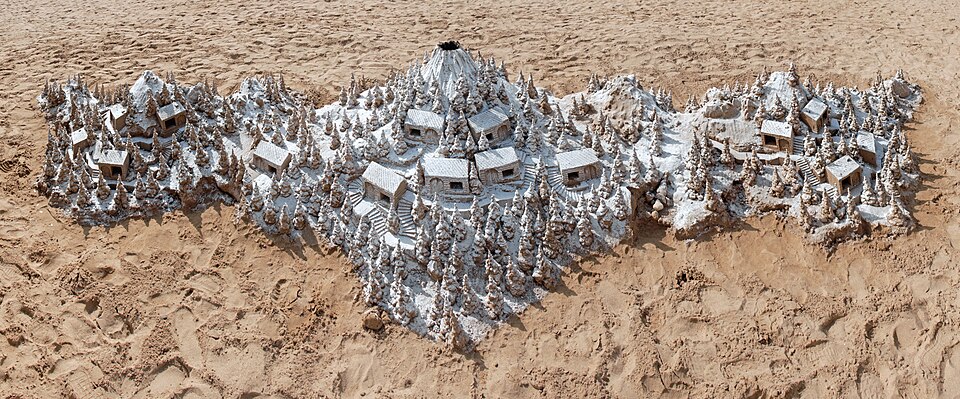
There are two main approaches to creating sculpture. Subtractive sculpture means starting with a large block of material and removing pieces until the finished form emerges — like a marble sculptor chipping away stone with a chisel. Michelangelo, one of history’s greatest sculptors, said that he could see the figure already trapped inside the block of marble and simply had to free it. Additive sculpture works the opposite way, building up a form by adding material, such as molding clay, welding metal pieces together, or stacking objects. Many sculptors use a combination of both methods, building up a basic form and then carving away details to refine it. The method an artist chooses often depends on the material they are working with.
Materials Through History
Throughout history, sculptors have worked with an amazing variety of materials. Ancient Greek and Roman artists prized marble for its smooth, luminous surface and used it to create lifelike figures of gods, heroes, and athletes. Bronze casting, which involves pouring molten metal into a mold, allowed artists to create detailed sculptures that could survive outdoors for centuries. Wood has been carved into sculptures in nearly every culture, from African masks to European church decorations. In the 20th century, artists began using industrial materials like welded steel, plastic, and even found objects — Pablo Picasso famously turned a bicycle seat and handlebars into a sculpture of a bull’s head.
Famous Sculptures
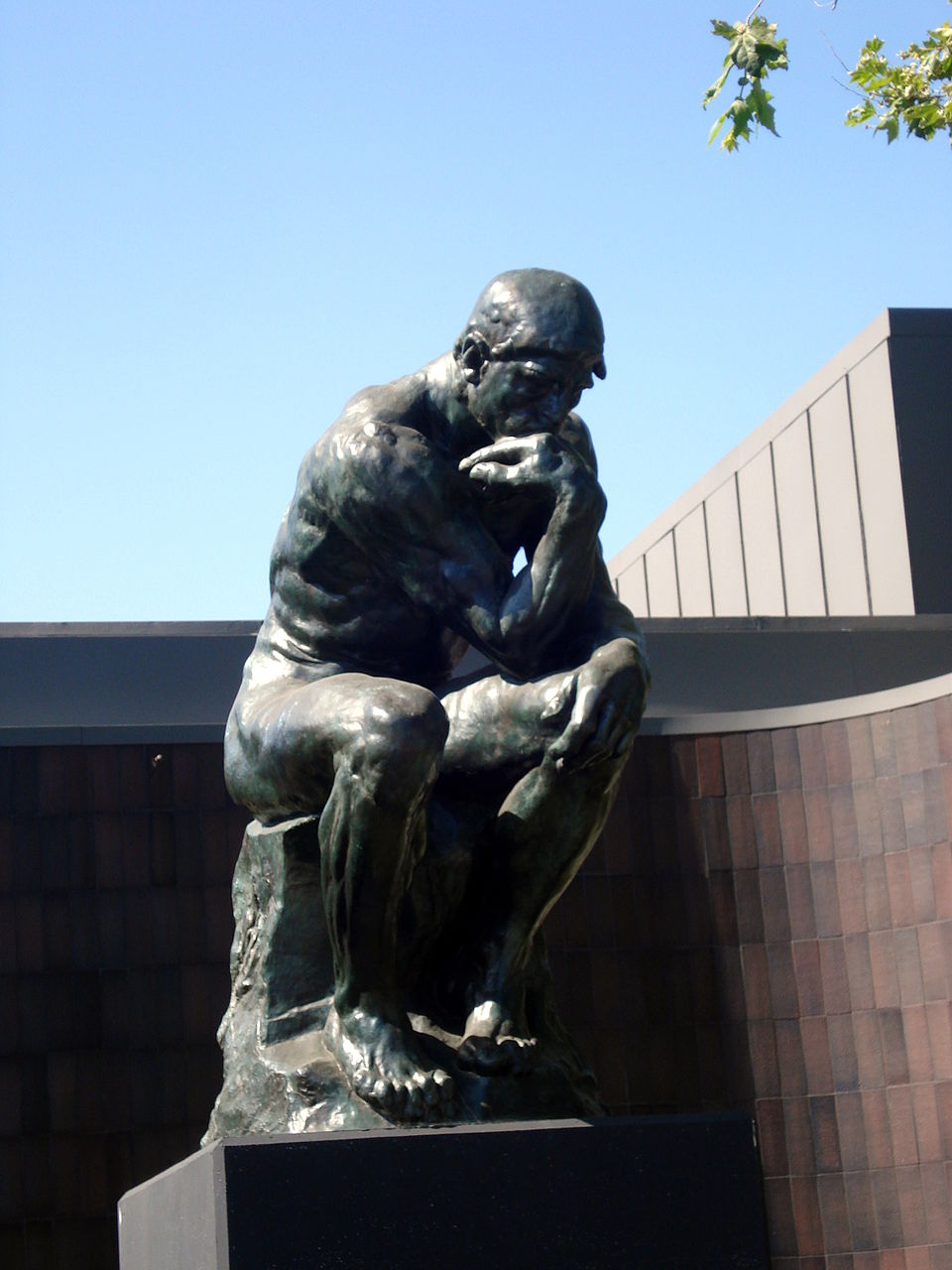
Some of the world’s most recognized artworks are sculptures. Michelangelo’s David, carved from a single block of marble in the early 1500s, stands over 14 feet tall and is considered one of the greatest achievements in art history. Auguste Rodin’s The Thinker, created in the 1880s, shows a muscular figure deep in thought and has become a symbol of philosophy and intellectual life. Alexander Calder invented the mobile, a type of sculpture that hangs from the ceiling and moves gently with air currents, bringing motion into the world of sculpture. More recently, artists like Louise Bourgeois created massive spider sculptures that stand in public spaces around the world, challenging viewers to think about fear, strength, and motherhood.
Land Art and Installations
Some modern sculptors have moved beyond galleries and museums to create art in nature or in huge indoor spaces. Land art, also called earth art, uses natural materials like rocks, soil, branches, and ice to create temporary or permanent works outdoors. Andy Goldsworthy is known for his delicate arrangements of leaves, stones, and icicles that he photographs before nature reclaims them. Installation art transforms entire rooms or outdoor areas into immersive experiences where viewers can walk through and interact with the artwork. These large-scale works blur the line between sculpture, architecture, and performance, inviting people to experience art with their whole bodies rather than just their eyes.
3D Art Today
Technology is creating new ways to make three-dimensional art. 3D printers can build sculptures layer by layer from digital designs, allowing artists to create complex forms that would be nearly impossible to make by hand. Virtual reality lets artists sculpt in digital space, creating objects that exist only in the digital world but can still be experienced as three-dimensional. Public art programs bring sculpture into everyday life, placing artworks in parks, plazas, and along streets for everyone to enjoy. Whether it is carved from stone using ancient techniques or built from light and code using the latest technology, sculpture remains one of the most exciting ways to experience art.
 OtterKnow Kids Encyclopedia