Ancient Origins
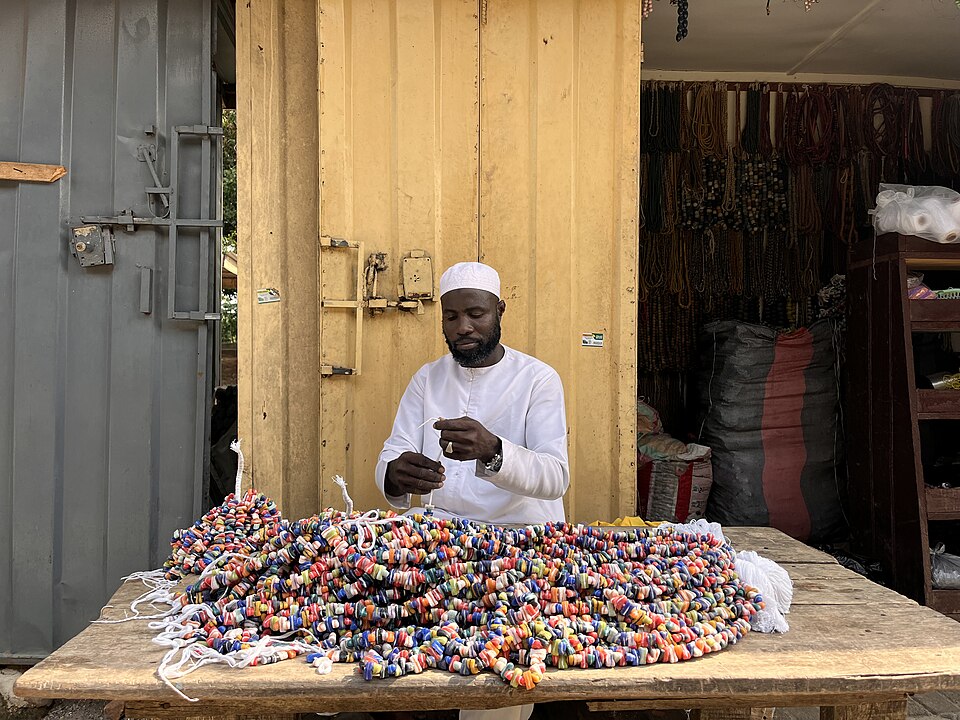
Beading is one of humanity’s oldest art forms. The earliest known beads, made from small sea shells with holes drilled through them, were discovered in Blombos Cave in South Africa and date back over 100,000 years. Ancient people also carved beads from bone, teeth, stone, and seeds. In ancient Egypt, skilled artisans created elaborate beaded jewelry using gold, lapis lazuli, turquoise, and carnelian, and these pieces were so valued that they were buried with pharaohs in their tombs. The ancient Egyptians also invented a material called faience, a type of glazed ceramic, to make bright blue and green beads that ordinary people could afford. Across the ancient world, beads served not just as decoration but as currency, symbols of status, and objects of spiritual importance.
Materials and Types of Beads
Beads come in an astonishing variety of materials, shapes, and sizes. Glass beads have been made for thousands of years and include categories like seed beads (tiny, uniform beads used for detailed work), lampwork beads (handmade by melting glass rods over a flame), and millefiori beads (Italian glass beads with colorful flower-like patterns inside). Gemstone beads are cut from minerals like amethyst, jade, and turquoise. Wooden beads are lightweight and come in natural tones or can be painted. Metal beads made from silver, gold, or copper add shine and weight to designs. Modern crafters also use plastic and acrylic beads, which are inexpensive and come in every imaginable color and shape, making them perfect for beginners and young jewelry makers.
Beading Techniques
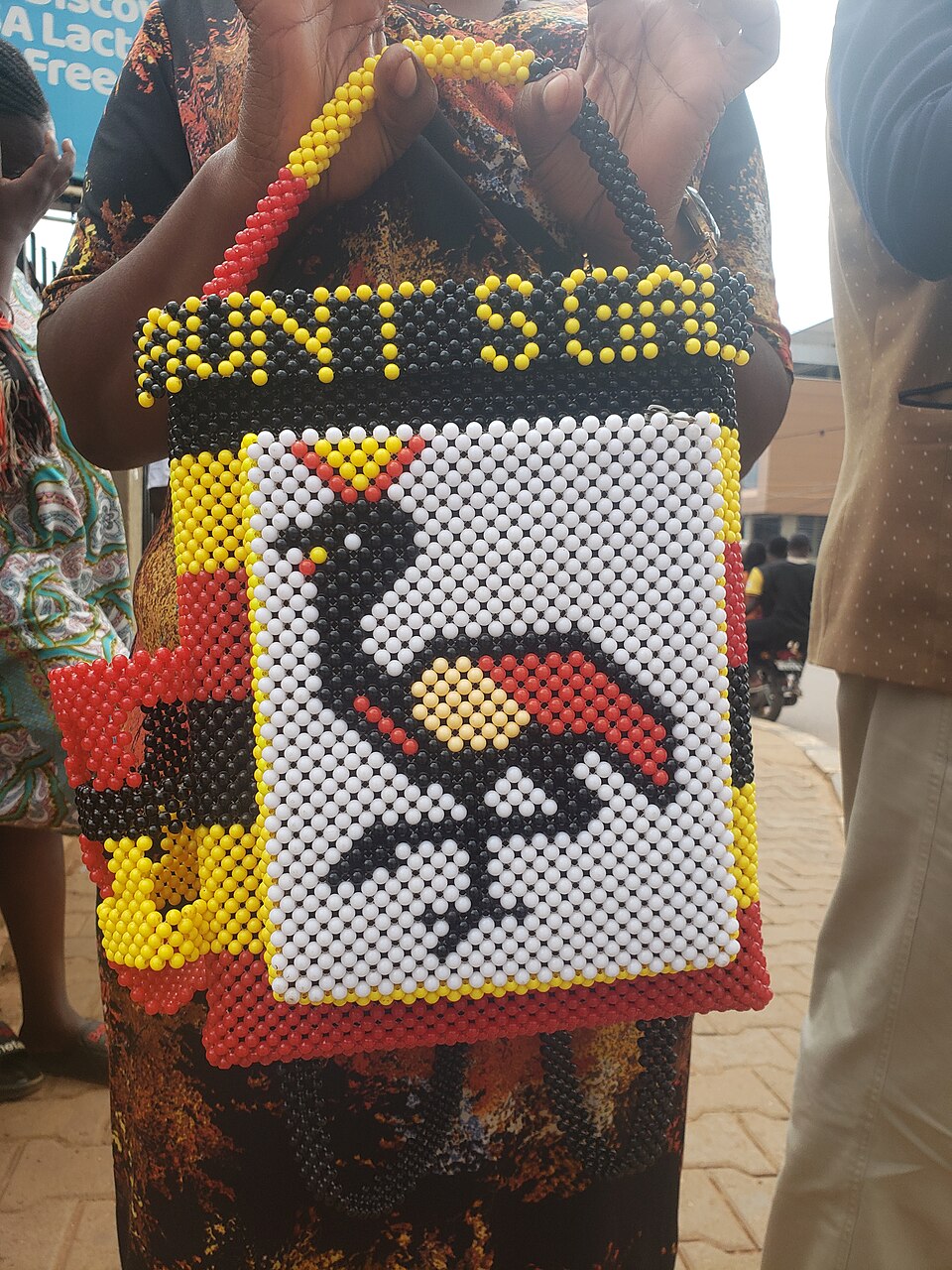
There are many different ways to work with beads beyond simple stringing. Loom beading uses a small wooden frame to weave beads into flat, patterned bands, similar to how fabric is woven on a loom. Off-loom stitches like peyote stitch and brick stitch allow beaders to create intricate patterns without any equipment beyond a needle and thread. Wire wrapping involves bending and coiling metal wire around beads to create pendants and earrings. Knotting, where a small knot is tied between each bead, is a traditional technique used with pearls to keep them from rubbing against each other and to prevent all the beads from scattering if the string breaks. Each technique produces a different look and feel in the finished piece.
Cultural Significance
Beaded jewelry carries deep meaning in cultures around the world. Among the Maasai people of Kenya and Tanzania, women create elaborate beaded collars and ornaments where specific colors represent important ideas: red stands for bravery, blue for energy, and white for peace. Native American beadwork traditions stretch back thousands of years, and different nations developed distinctive styles and patterns, often telling stories or representing clan symbols through their designs. In West Africa, the Krobo people of Ghana have been making glass beads from recycled materials for centuries, passing techniques down through generations. Venetian glassmakers on the island of Murano in Italy became famous for their finely crafted glass beads starting in the 1200s, and their trade beads were carried along routes that spanned the globe.
Famous Jewelry Traditions
Throughout history, certain jewelry traditions have become legendary. The ancient Egyptians believed that jewelry had protective and magical powers, and their designs influenced styles for thousands of years. In India, elaborate gold and gemstone jewelry has been central to weddings and celebrations for centuries, with some traditional bridal sets containing dozens of separate pieces. The Crown Jewels of England, kept in the Tower of London, include some of the most famous gemstones in the world. In modern times, designers continue to push the boundaries of jewelry making, combining traditional beading techniques with new materials and technology to create wearable art.
Getting Started with Beading
Beading is one of the most accessible crafts you can try. To begin, you need just a few basic supplies: an assortment of beads, beading string or elastic cord, and a pair of scissors. Pony beads and large wooden beads are great for beginners because their big holes make them easy to thread. As you gain experience, you can move to smaller seed beads and try more advanced techniques like loom weaving or wire wrapping. Start by making a simple pattern bracelet, choosing three or four colors and repeating them in a sequence. The most important thing is to experiment with colors and arrangements until you create something that makes you smile.
Fun Facts
- The word “bead” comes from the Old English word “bede,” which meant prayer, because early beads were often used for counting prayers.
- The oldest known beads, from Blombos Cave in South Africa, are over 100,000 years old.
- Venice, Italy was once the glass bead capital of the world, and Venetian trade beads were so valuable they were used as currency in Africa and the Americas.
- A single square inch of intricate Native American beadwork can contain over 100 tiny seed beads, each stitched on individually by hand.
- In Ghana, the Krobo people make beautiful beads by grinding recycled glass into powder, packing it into clay molds, and firing it in a kiln.
 OtterKnow Kids Encyclopedia