History of Printmaking
Printmaking has ancient roots. The earliest known form of printing is woodblock printing, which was invented in China during the Tang Dynasty, around the 7th century CE. The oldest surviving printed book, the Diamond Sutra, was created in China in 868 CE using carved wooden blocks. Each page was carved in reverse on a flat block of wood, inked, and pressed onto paper. This technique spread across East Asia and was used to print books, artwork, and religious texts for centuries.
In Europe, woodcut printing became common in the early 1400s, initially for printing religious images and playing cards. Then, around 1440, a German goldsmith named Johannes Gutenberg invented the printing press with movable metal type. Gutenberg’s press made it possible to print books quickly and cheaply, and it transformed European society by making knowledge available to ordinary people for the first time. Within fifty years of Gutenberg’s invention, millions of books had been printed across Europe.
Relief Printing
Relief printing is the oldest and most straightforward printmaking technique. The artist carves away parts of a flat surface, such as a block of wood or a sheet of linoleum, leaving the design raised. Ink is then rolled onto the raised surface with a tool called a brayer, and paper is pressed against it to transfer the image. Woodcuts and linocuts are the two most common forms of relief printing. The German artist Albrecht Durer created stunning woodcut prints in the late 1400s and early 1500s that are still admired today for their incredible detail.
Intaglio Printing
Intaglio is the opposite of relief printing. Instead of inking the raised surface, the artist scratches or etches lines into a metal plate, usually copper or zinc. Ink is then rubbed into the grooves, and the surface is wiped clean so that ink remains only in the carved lines. When damp paper is pressed against the plate under heavy pressure, it pulls the ink out of the grooves to create the image. Engraving and etching are two common intaglio methods. The Dutch master Rembrandt van Rijn was one of the greatest printmakers in history, producing nearly 300 etchings during his career.
Lithography and Screen Printing
Lithography, invented in 1796 by Alois Senefelder in Germany, works on the principle that oil and water do not mix. An artist draws directly on a flat stone or metal plate with a greasy crayon or ink. The surface is then treated with chemicals so that the greasy drawing attracts printing ink while the blank areas repel it. Lithography made it easy to create posters, advertisements, and fine art prints in large quantities.
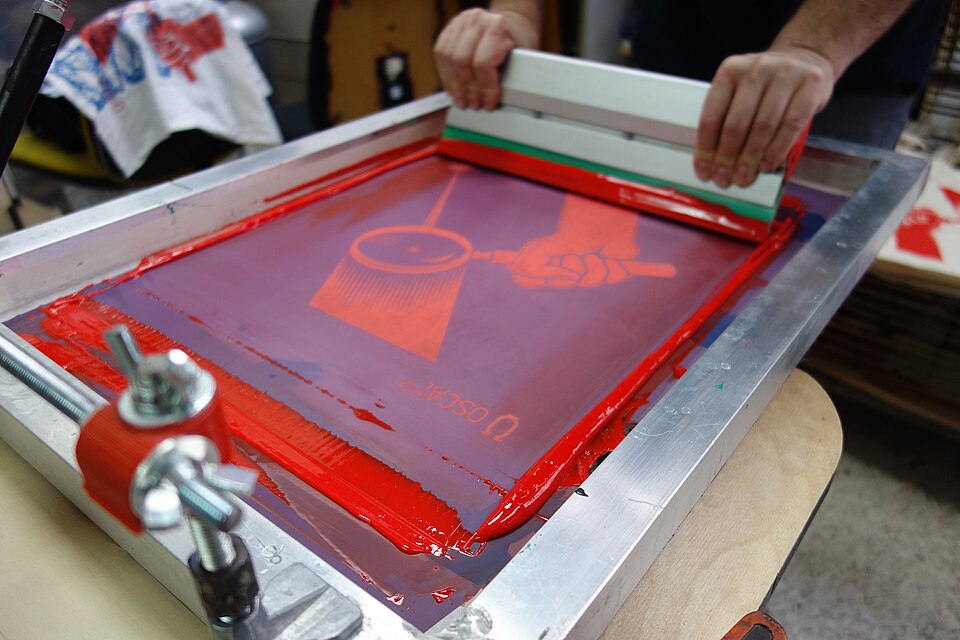
Screen printing, also called serigraphy, pushes ink through a mesh screen that has been blocked in certain areas with a stencil. The ink passes through only the open areas of the screen, creating the image on the surface below. Screen printing is widely used for printing on t-shirts, posters, and fabrics. The American artist Andy Warhol made screen printing famous in the 1960s with his bold, colorful portraits of celebrities and everyday objects like soup cans.
Famous Printmakers
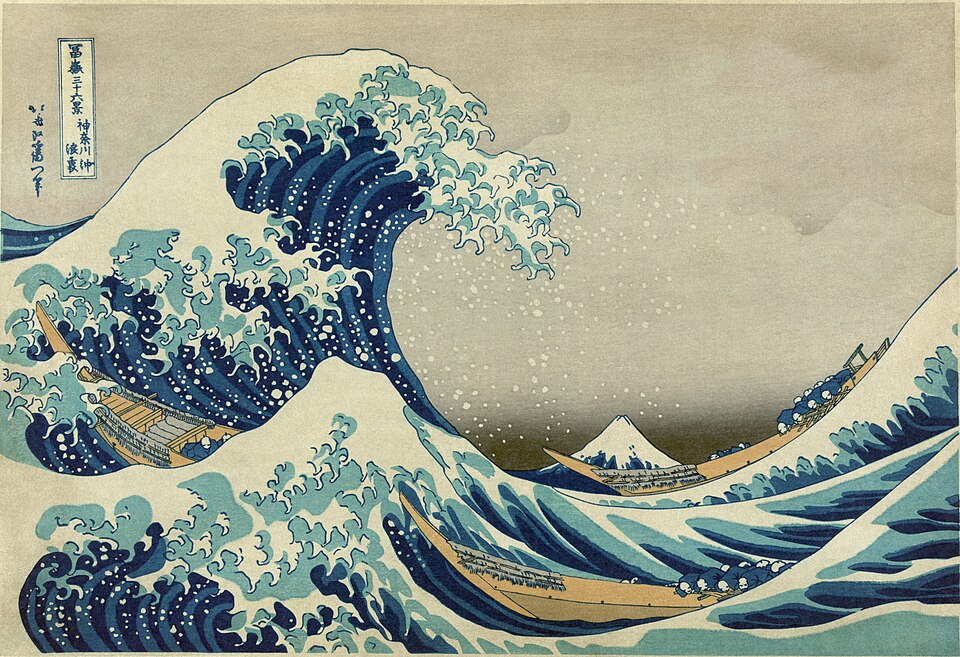
Throughout history, many celebrated artists have used printmaking as a major part of their work. Katsushika Hokusai, a Japanese artist working in the early 1800s, created “The Great Wave off Kanagawa,” one of the most recognized artworks in the world, as a woodblock print. Albrecht Durer elevated the woodcut and engraving to a fine art in Renaissance Europe. In the 20th century, artists like Andy Warhol and the Mexican printmaker Jose Guadalupe Posada used printmaking to reach wide audiences with powerful images. Today, printmaking is still widely practiced by artists around the world.
Getting Started with Printmaking
One of the best things about printmaking is that you can try it at home with simple materials. A foam tray from a supermarket can be used as a printing plate by drawing into it with a pencil, rolling ink over the surface, and pressing paper onto it. You can also carve a design into a potato or an eraser to create a simple stamp. For more advanced projects, linoleum blocks and carving tools are available at art supply stores. The key principles are always the same: create your image on a surface, apply ink, and transfer it to paper. Every print you pull will be slightly different, which is part of what makes printmaking so exciting.
 OtterKnow Kids Encyclopedia