Subtractive Color Mixing (Paint)
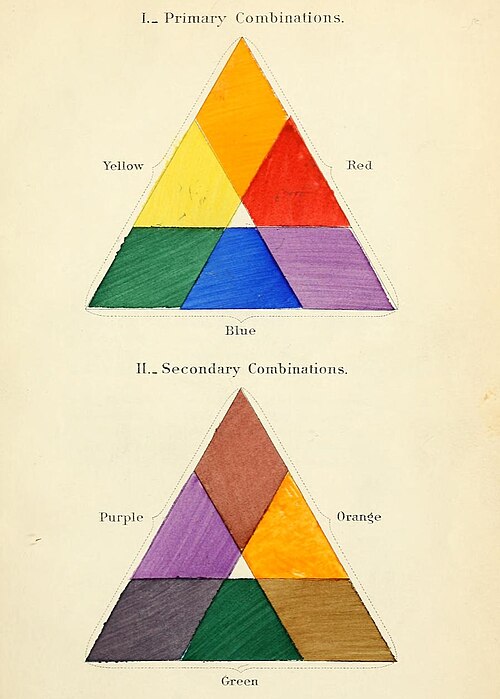
When you mix paints together, you are doing what scientists call subtractive color mixing. The primary colors in paint are red, yellow, and blue (often called RYB), and these are colors that cannot be made by mixing other colors together. Mixing two primary colors gives you a secondary color: red and yellow make orange, yellow and blue make green, and blue and red make purple. Tertiary colors are made by mixing a primary color with a neighboring secondary color, giving you shades like red-orange, yellow-green, and blue-violet. It is called “subtractive” because each pigment absorbs (subtracts) certain wavelengths of light, and the more colors you mix together, the darker the result becomes.
Additive Color Mixing (Light)
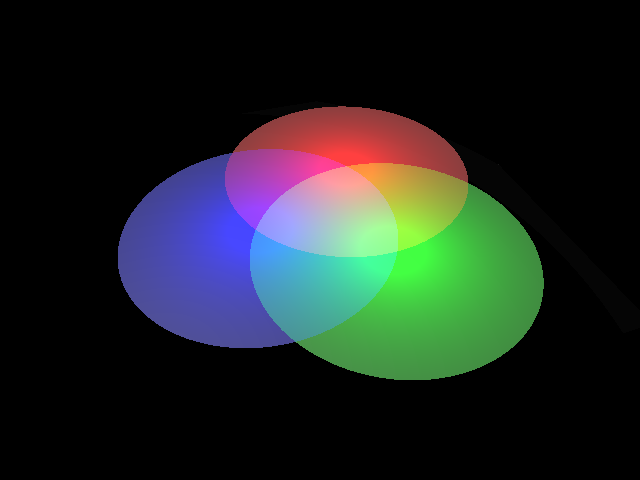
Light works the opposite way from paint — mixing more colors of light together makes the result brighter, not darker. The primary colors of light are red, green, and blue (RGB), and when you combine all three at full brightness, you get white light. Television screens, computer monitors, and phone displays all create images by combining tiny dots of red, green, and blue light in different amounts. Mixing red and green light creates yellow, green and blue light creates cyan, and blue and red light creates magenta. This might seem confusing at first because it is the opposite of what happens with paint, but the key is remembering that paint absorbs light while screens emit it.
CMYK: Printing Colors
Printers use a different color system called CMYK, which stands for cyan, magenta, yellow, and key (black). These four inks can be combined in different amounts to reproduce almost any color on paper. Cyan, magenta, and yellow are the primary colors for printing, and they work by subtracting light from white paper, similar to how paint works. Black ink is added because mixing cyan, magenta, and yellow together in practice produces a dark brownish color rather than a true black. If you look very closely at a printed photograph with a magnifying glass, you can see tiny dots of these four colors overlapping and sitting next to each other to create the illusion of a full-color image.
Tints, Shades, and Tones
Beyond mixing different colors together, artists often adjust colors by making them lighter, darker, or more muted. Adding white to any color creates a tint — for example, adding white to red gives you pink. Adding black creates a shade — adding black to red gives you a deep maroon or burgundy. Adding gray to a color creates a tone, which makes the color less intense and more subdued without making it lighter or darker. These adjustments are essential for creating realistic paintings because very few things in the real world are pure, bright colors — most of what we see is made up of tints, shades, and tones. Josef Albers, a famous art teacher, spent decades studying how colors look different depending on what other colors are placed next to them.
Tips for Mixing Colors
One common frustration when mixing paint is creating “mud” — a dull, brownish mixture that happens when you combine too many colors or mix complementary colors (opposites on the color wheel) in equal amounts. To avoid mud, start with the lighter color and add small amounts of the darker color gradually. It is always easier to darken a color than to lighten it, because dark pigments are very powerful. Keeping your brushes and water clean between mixes helps prevent unwanted colors from sneaking into your mixtures. The concept of color temperature is also important — some colors feel warm (reds, oranges, yellows) and others feel cool (blues, greens, purples), and mixing warm and cool versions of the same color produces very different results.
 OtterKnow Kids Encyclopedia