Pixels and Vectors
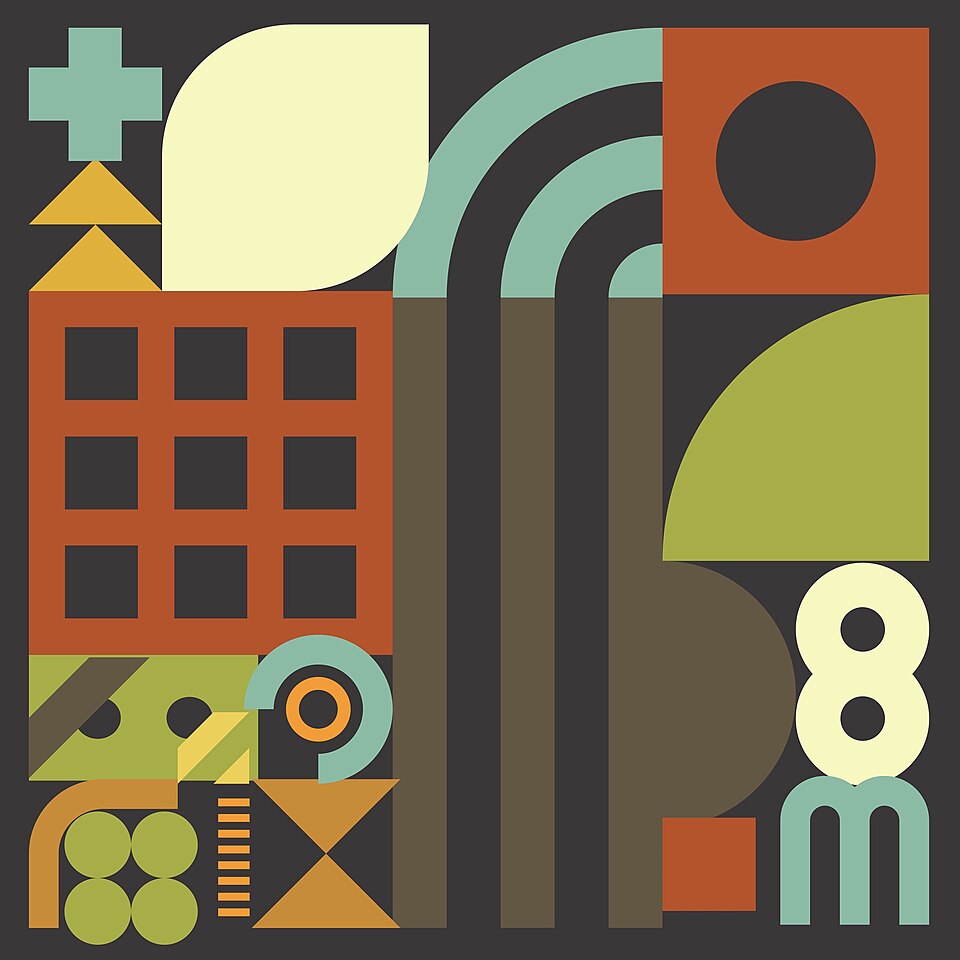
Digital images come in two main types: raster and vector. Raster images are made up of tiny dots called pixels (short for “picture elements”), and each pixel is a single color. When you zoom in on a raster image, you can see the individual pixels, and the image becomes blocky and blurry. Photographs and most digital paintings are raster images. Vector graphics work differently — they use mathematical formulas to define shapes, lines, and curves, which means they can be made larger or smaller without ever losing quality. Logos, icons, and illustrations that need to be reproduced at many different sizes are usually created as vector graphics. Understanding the difference between raster and vector is important for anyone working with digital art.
Digital Drawing and Painting
Digital drawing tablets let artists draw directly on a surface and see their strokes appear on a computer screen, closely mimicking the experience of drawing on paper. Programs like Procreate, Photoshop, and Krita offer hundreds of digital brushes that can simulate pencils, pens, watercolors, oil paint, and many effects that would be impossible with physical media. One huge advantage of digital painting is the ability to undo mistakes instantly with a single button press, and artists can work in layers, placing different elements of their artwork on separate transparent sheets that can be edited independently. Adobe Photoshop, first released in 1990, became one of the most influential tools for digital art and image editing. Despite all these powerful features, digital art still requires the same fundamental skills — you need to understand light, shadow, anatomy, and composition just as much as a traditional artist does.
Graphic Design
Graphic design is the art of communicating ideas visually through the arrangement of text, images, and shapes. Every book cover, website layout, app interface, movie poster, and product package you have ever seen was created by a graphic designer. Good graphic design makes information clear and easy to understand while also being visually appealing. UI (user interface) design and UX (user experience) design focus specifically on making websites and apps easy and pleasant to use, thinking carefully about where buttons go, what colors to use, and how people navigate through screens. Graphic design is one of the most in-demand creative careers because every business, organization, and product needs visual communication.
Video Game Art and Animation
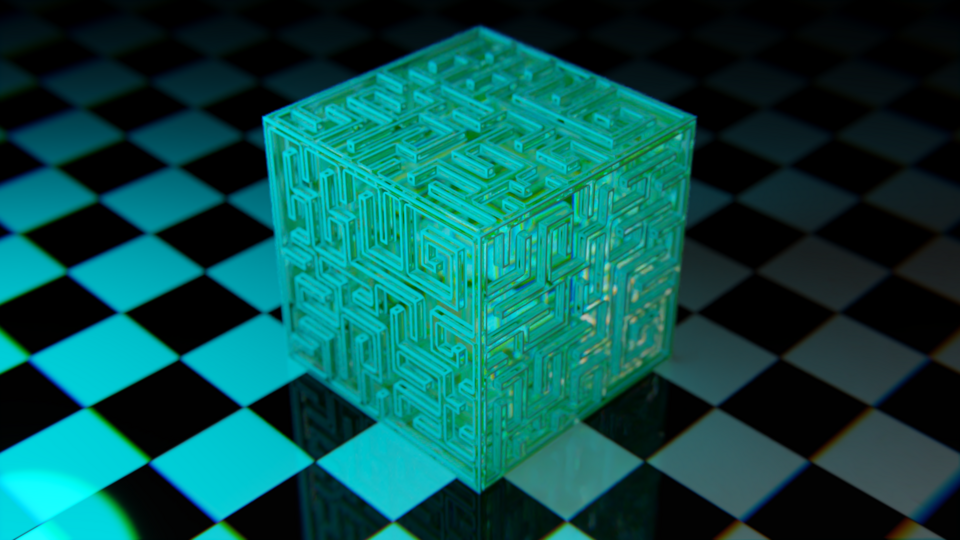
Some of the most exciting digital art today is created for video games and animated films. Concept artists create the initial designs for characters, environments, and objects, drawing dozens or even hundreds of variations before a final design is chosen. 3D modelers then build three-dimensional digital versions of these designs that can be viewed from any angle and animated to move. The environments in modern video games are designed by teams of digital artists who create everything from realistic forests and cities to fantastical alien worlds. Animation, whether for games or films, requires artists to understand how things move in the real world so they can recreate that movement convincingly in the digital realm.
The Future of Digital Art
Digital art continues to evolve rapidly as technology advances. Virtual reality allows artists to create three-dimensional artworks that viewers can step inside and explore. Augmented reality overlays digital art onto the real world through smartphone screens or special glasses. The rise of generative AI tools that can create images from text descriptions has sparked important conversations about creativity, originality, and what it means to be an artist. Many professional artists see AI as a tool to assist their creative process rather than a replacement for human creativity. No matter how the tools change, the human ability to imagine, create, and communicate through visual art remains at the heart of digital art and design.
 OtterKnow Kids Encyclopedia