Leonardo da Vinci
Leonardo da Vinci, born in Italy in 1452, is often called the greatest genius in history because he excelled at painting, sculpture, engineering, anatomy, and dozens of other fields. His most famous painting, the Mona Lisa, hangs in the Louvre Museum in Paris and is visited by millions of people every year, drawn by the subject’s mysterious half-smile and the painting’s lifelike depth. Leonardo was a true Renaissance man who filled notebook after notebook with drawings and observations about the world around him, from the flight of birds to the flow of water. He developed a painting technique called sfumato, which uses very thin, transparent layers of paint to create soft, hazy transitions between colors and shadows. Leonardo believed that painting was the highest form of art because it could capture the beauty of the natural world more completely than any other medium.
Vincent van Gogh
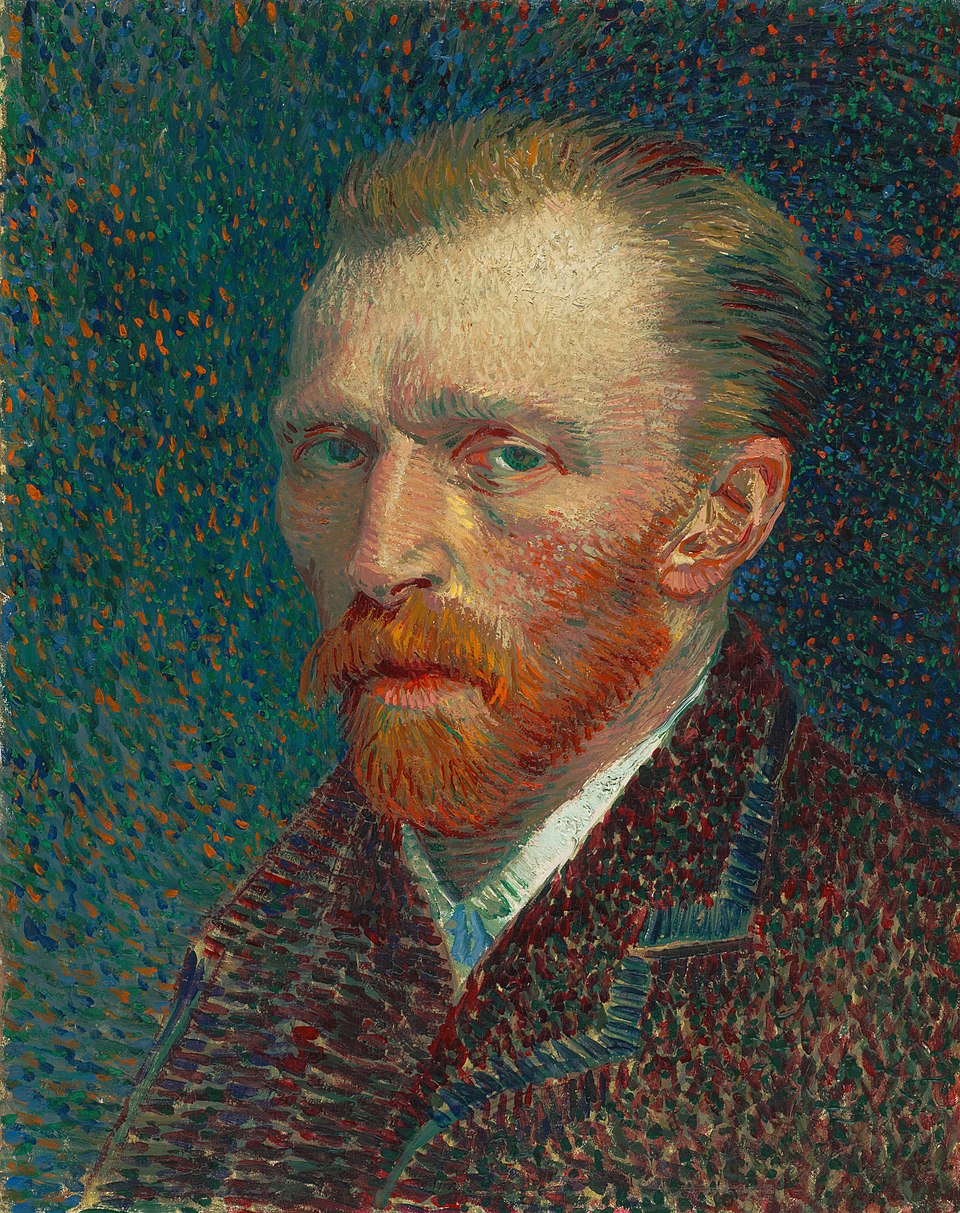
Vincent van Gogh, a Dutch artist born in 1853, is one of the most beloved painters in history, yet he struggled with poverty and mental illness throughout his life. He created about 2,100 artworks in just over a decade, including some of the most recognizable paintings in the world, yet he sold only one painting during his lifetime. Van Gogh’s style is instantly recognizable — thick, swirling brushstrokes of vivid color that seem to pulse with energy and emotion. His painting The Starry Night, with its swirling sky and bright yellow stars over a quiet village, has become one of the most reproduced images in art history. Van Gogh’s letters to his brother Theo give us a remarkably detailed look into his thoughts, feelings, and artistic process.
Frida Kahlo
Frida Kahlo, born in Mexico in 1907, is famous for her intensely personal self-portraits that explore identity, pain, and the human experience. After surviving a devastating bus accident at age 18 that left her with lifelong injuries, Kahlo began painting while recovering in bed, using a mirror placed above her to create self-portraits. Her paintings blend realistic detail with dreamlike imagery inspired by Mexican folk art and surrealism, creating a style that is entirely her own. Kahlo painted about 200 works during her career, and roughly one-third of them are self-portraits. Her art and her life story have made her a symbol of strength, creativity, and cultural pride, and she remains one of the most recognized artists in the world.
Claude Monet
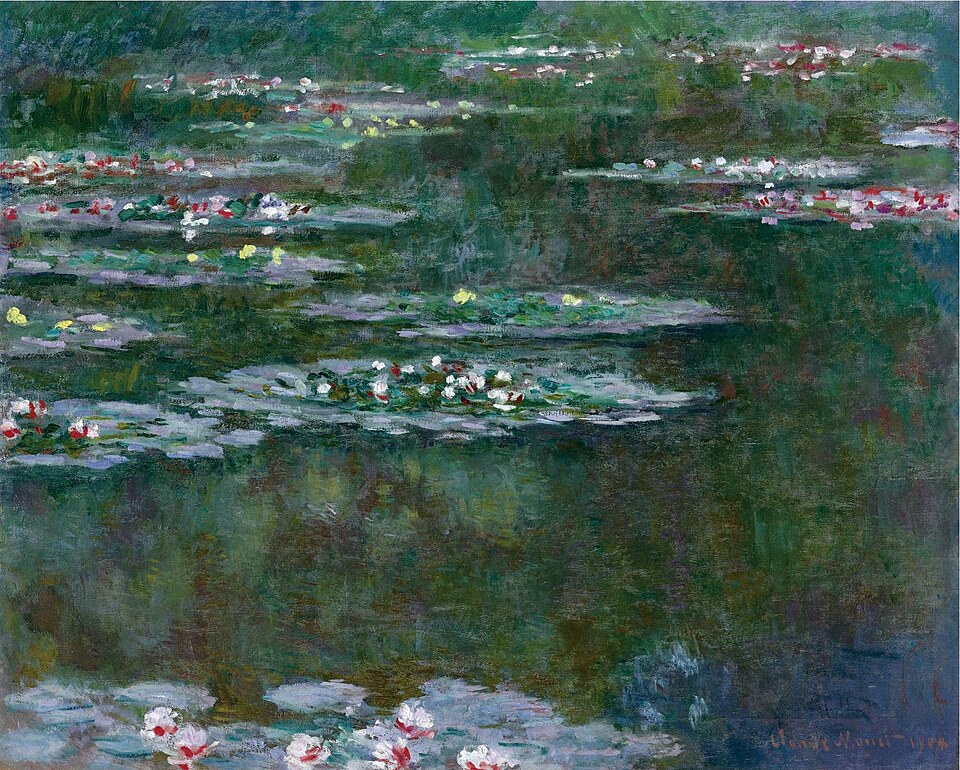
Claude Monet, born in France in 1840, is considered the founder of the Impressionist movement and spent his career trying to capture the way light changes throughout the day. He often painted the same subject over and over at different times and in different seasons to show how light transforms what we see — his series of paintings of haystacks, the Rouen Cathedral, and water lilies demonstrate this approach beautifully. Monet’s garden at Giverny, which he designed himself, became the subject of about 250 oil paintings during the last 30 years of his life. His water lily paintings, some of which are enormous canvases filling entire museum walls, invite viewers to lose themselves in shimmering reflections and floating flowers. Monet’s dedication to painting what the eye actually sees rather than what the mind knows changed the direction of art history.
Pablo Picasso and Yayoi Kusama
Pablo Picasso, born in Spain in 1881, was one of the most influential artists of the 20th century and co-founded the Cubism movement that revolutionized how artists represent the world. His career spanned more than 70 years, and he worked in painting, sculpture, printmaking, ceramics, and stage design, constantly reinventing his style. His anti-war painting Guernica, created in response to the bombing of a Spanish town in 1937, is one of the most powerful political artworks ever made. Yayoi Kusama, born in Japan in 1929, has been creating art for over seven decades and is known for her obsessive use of polka dots, infinity mirror rooms, and pumpkin sculptures. Kusama’s immersive installations, where visitors step into rooms filled with mirrors and lights that seem to extend forever, have made her one of the most popular living artists in the world.
 OtterKnow Kids Encyclopedia