The Color Wheel
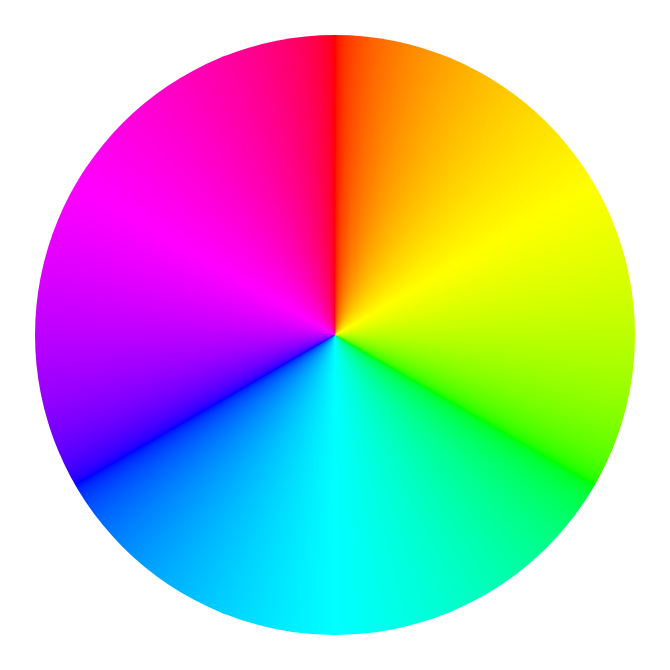
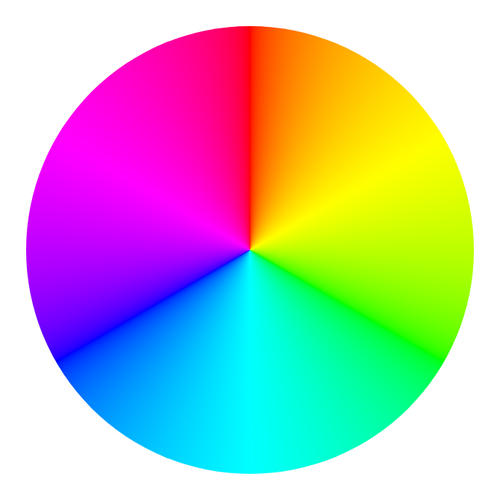
The color wheel is the artist’s most important tool for understanding how colors relate to each other. Sir Isaac Newton created the first color wheel in 1704 after using a glass prism to split white sunlight into a spectrum of colors, then arranging those colors in a circle. The modern color wheel organizes colors so that related ones sit next to each other and opposite colors face each other across the circle. Learning to read the color wheel helps you predict what will happen when you mix two colors together and which color combinations will look pleasing to the eye.
Primary, Secondary, and Tertiary Colors

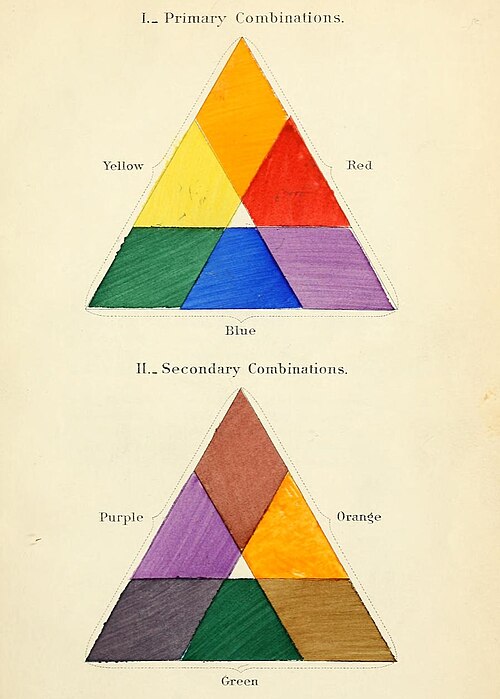
Primary colors are the three colors that cannot be created by mixing other colors together: red, yellow, and blue. Every other color on the wheel is made from combinations of these three. Mixing two primary colors in equal amounts produces a secondary color: red and yellow make orange, yellow and blue make green, and blue and red make purple. Tertiary colors are created by mixing a primary color with a neighboring secondary color, producing shades like red-orange, yellow-green, and blue-violet. Together, these twelve colors form the complete color wheel that artists have relied on for centuries.
Subtractive vs. Additive Mixing
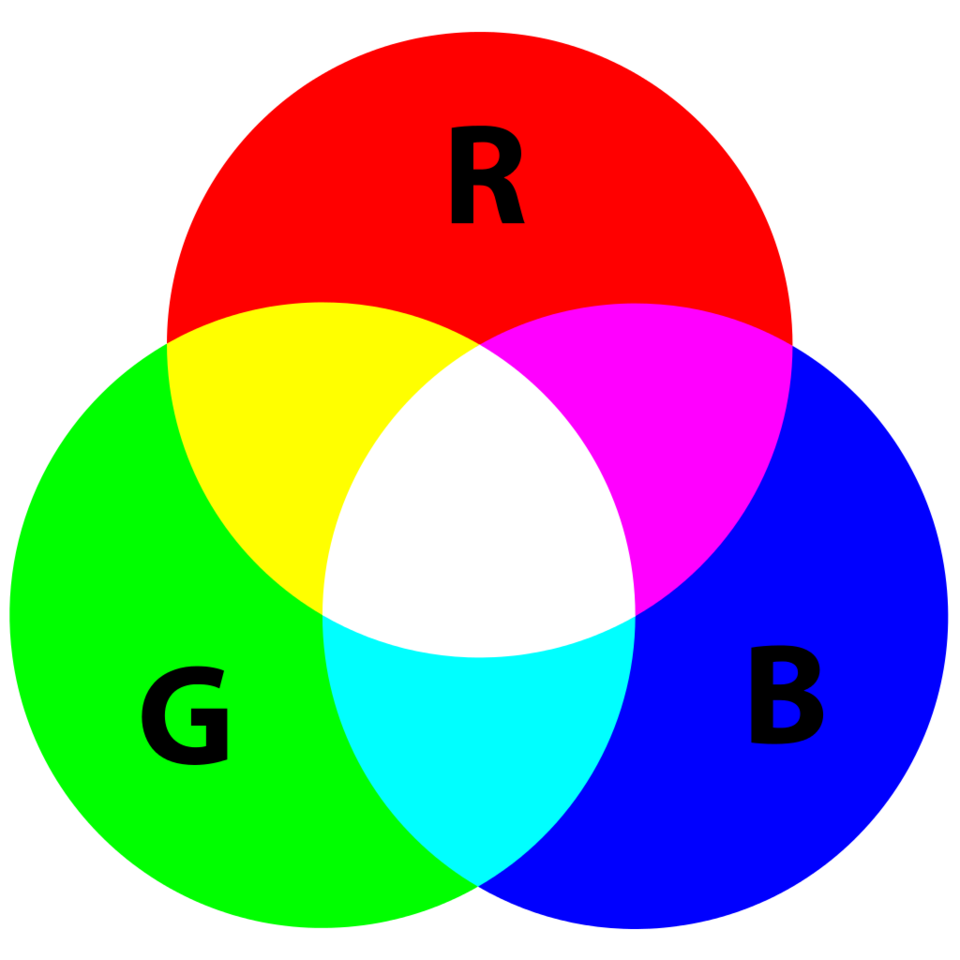
There are two fundamentally different ways that colors can mix, and they produce opposite results. Subtractive mixing is what happens when you combine paints or inks — each pigment absorbs certain wavelengths of light, so the more colors you mix, the darker the result becomes. Mix all three primary paints together and you get a muddy dark brown because almost all the light is being absorbed. Additive mixing is what happens with light, like on your TV or computer screen. Screens use red, green, and blue light, and when you combine all three at full brightness, you get white because all the wavelengths reach your eyes at once. This is why paint mixing and light mixing follow different rules.
Complementary Colors
Complementary colors are pairs that sit directly opposite each other on the color wheel: red and green, blue and orange, yellow and purple. When placed side by side, complementary colors make each other appear brighter and more vivid — this is why a red flower looks especially striking against green leaves. However, when you mix complementary colors together in paint, they cancel each other out and produce a dull grayish-brown. Artists use this property on purpose: adding a tiny amount of a color’s complement is the best way to make it less intense without making it muddy the way adding black would.
Tints, Shades, and Tones
Beyond mixing different colors together, artists adjust colors by adding white, black, or gray. Adding white to any color creates a tint — for example, white plus red makes pink, and white plus blue makes sky blue. Adding black creates a shade, turning red into deep maroon or blue into navy. Adding gray produces a tone, which makes a color softer and more muted without changing how light or dark it is. Mastering tints, shades, and tones is essential because very few things in the real world are pure, bright colors — most of what you see around you is made up of subtle variations.
Practical Tips for Mixing Paint
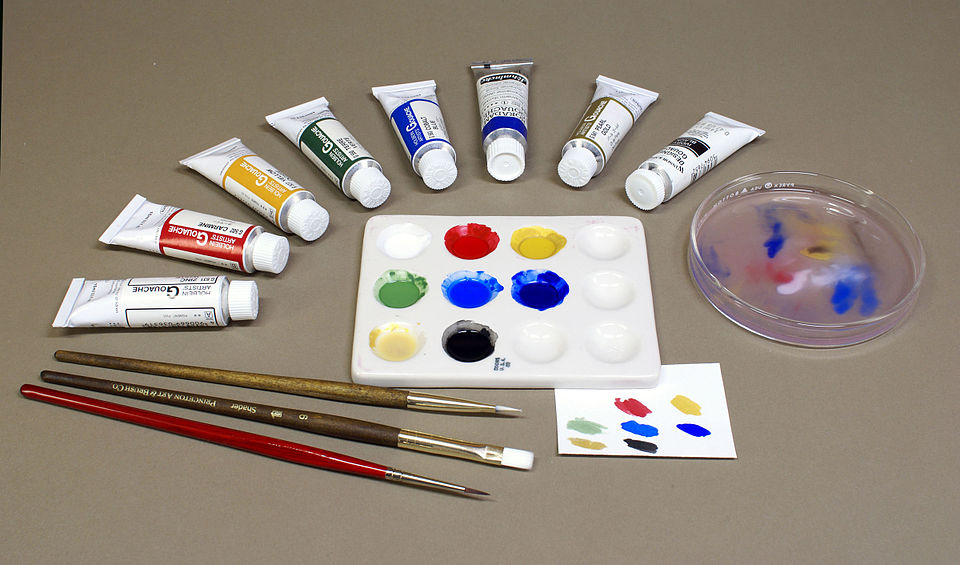
The most common mistake when mixing paint is creating “mud” — a dull brownish mess that happens when too many colors get combined or when complementary colors are mixed in equal amounts. To avoid mud, always start with the lighter color and add small amounts of the darker one, since dark pigments are very powerful and a little goes a long way. Keep your brushes and water clean between mixes so unwanted colors do not sneak into your mixtures. Temperature matters too: warm reds like cadmium red and cool reds like crimson produce very different results when mixed with the same blue, so experimenting with warm and cool versions of each primary color will greatly expand your palette.
 OtterKnow Kids Encyclopedia