Natural Pigments and Where They Come From
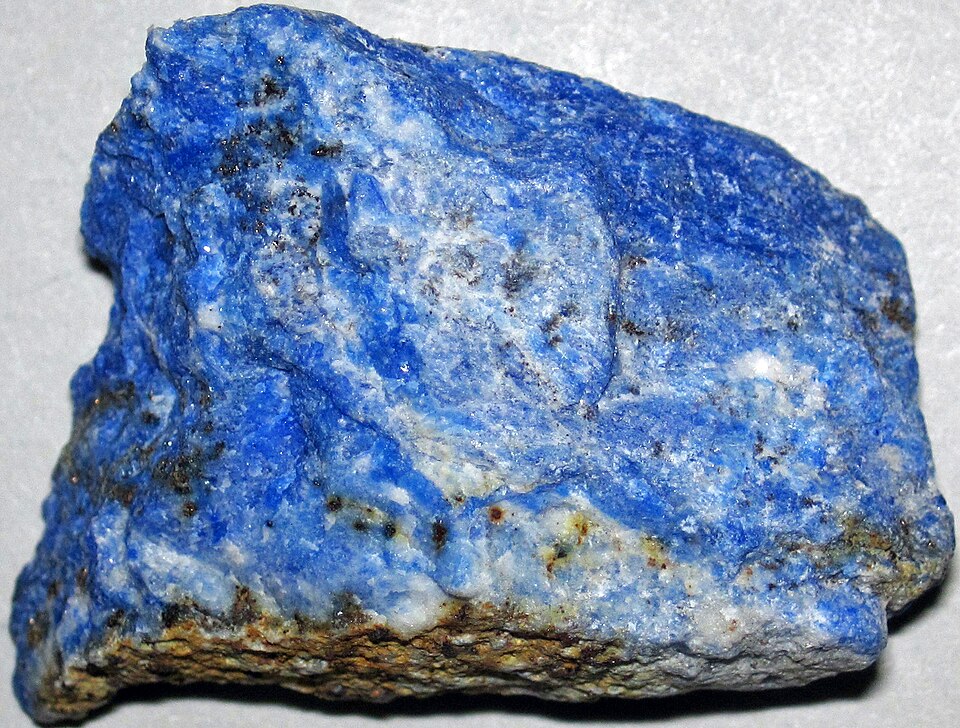
A pigment is a substance that gives paint its color. Natural pigments come from three main sources: minerals, plants, and animals. Mineral pigments are made by grinding up rocks and clay into a fine powder. Red ochre, a type of iron-rich clay, has been one of the most popular natural pigments throughout history and was used by ancient civilizations on every continent. Yellow ochre comes from a different type of iron mineral, and ground-up lapis lazuli stone was used to create a brilliant blue called ultramarine, which was once more expensive than gold.
Plant-based pigments come from flowers, leaves, roots, and berries. Indigo, a deep blue dye, comes from the leaves of the indigo plant and has been used for thousands of years in India, Japan, and West Africa. Saffron flowers produce a rich yellow, while the roots of the madder plant create a warm red. Even common backyard plants can make colors: dandelions produce yellow, crushed blackberries give purple, and spinach leaves make green.
The History of Nature Painting
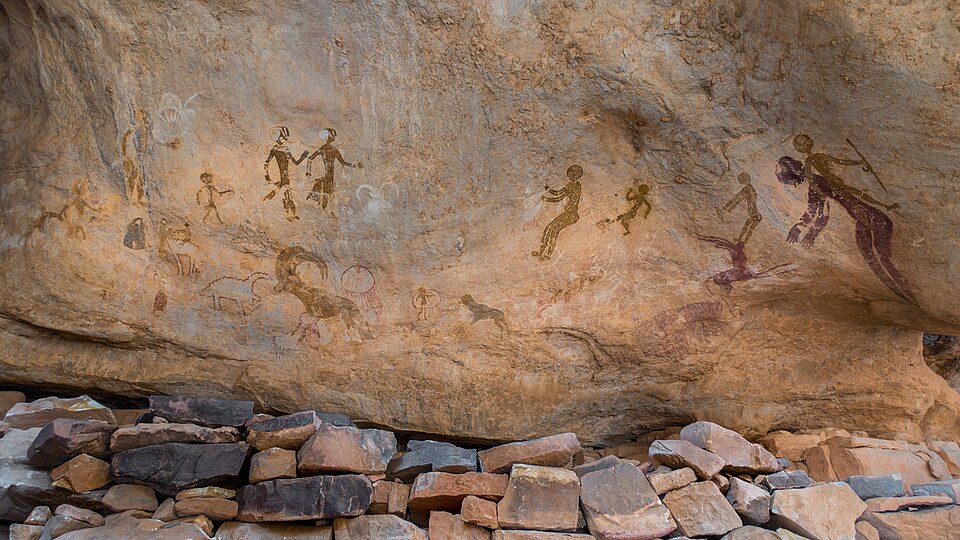
The earliest known paintings were made entirely with natural materials. Cave paintings in places like Lascaux in France and Altamira in Spain are between 17,000 and 36,000 years old and were created using red and yellow ochre, charcoal, and manganese oxide. Aboriginal Australians have been creating rock art with natural pigments for over 60,000 years, making it the oldest continuous art tradition in the world.
Ancient Egyptians developed more advanced natural paints by mixing pigments with binders like egg yolk or plant gum to make the color stick to surfaces. During the Renaissance in Europe, artists like Leonardo da Vinci and Michelangelo used paints made from minerals and plants, carefully ground and mixed by hand. It was not until the 1800s that synthetic, factory-made paints became widely available, and even then, many artists preferred their natural pigments for their unique, earthy qualities.
Making Your Own Nature Paint
Creating paint from natural materials is a hands-on activity you can try at home or in a classroom. Start by collecting colorful materials outdoors: berries, flower petals, leaves, clay-rich soil, and charcoal. To extract the color, crush your materials using a mortar and pestle or place them in a bag and mash them with a spoon. Add a small amount of water to create a paste, then strain out any large chunks through a piece of cloth.
To make your paint last longer and stick better to paper, you can mix in a binder. Egg yolk was the most common binder in ancient times and creates a paint called egg tempera. White glue or flour paste also works well. Different natural materials produce different textures: berry paints tend to be thin and watery, while clay paints are thick and creamy. Experiment with layering thin washes and thick dabs to discover what effects you can create.
Nature Painting Techniques
Beyond making paint, you can use natural objects as tools and stamps. Pressing a leaf coated in paint onto paper creates a detailed leaf print showing all the veins. Pinecones, flowers, and fern fronds all make interesting stamps with unique patterns. Sticks, feathers, and pine needles can be used as brushes, each creating a different type of line.
Some artists practice land art, which means arranging natural materials like stones, leaves, and flowers directly on the ground to create temporary artwork. The British artist Andy Goldsworthy is famous for this kind of work, creating spirals of leaves, arches of sticks, and walls of icicles in outdoor settings. These pieces change and eventually disappear as nature reclaims them, which is part of their beauty.
 OtterKnow Kids Encyclopedia