History of Ballet
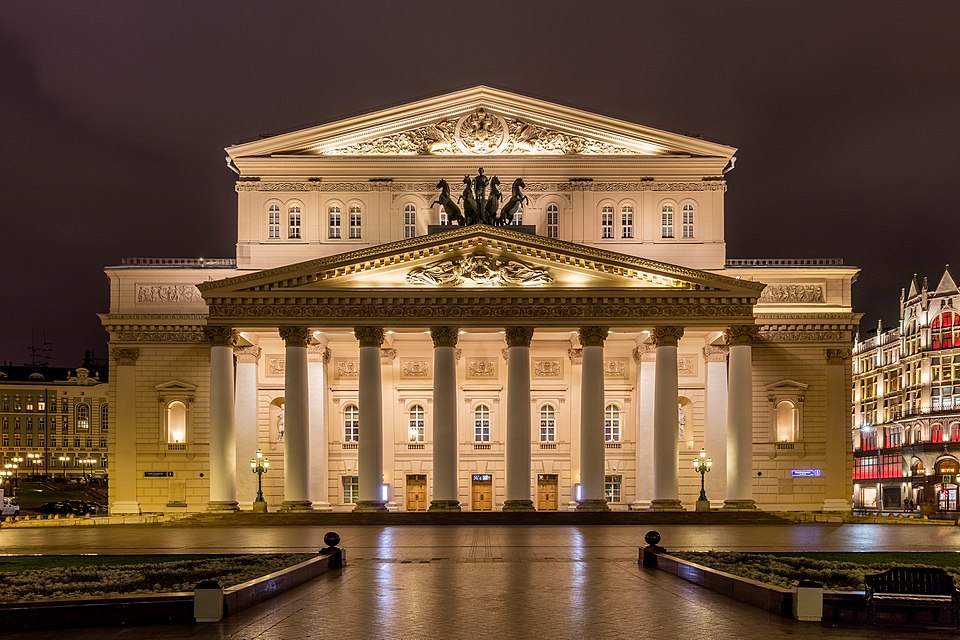
Ballet was born in the royal courts of Italy during the Renaissance, around the late 1400s. Wealthy Italian nobles staged elaborate dances as entertainment at lavish banquets and celebrations. When Catherine de’ Medici of Italy married King Henry II of France in 1533, she brought Italian dance traditions with her to the French court.
It was in France that ballet flourished. King Louis XIV, who ruled from 1643 to 1715, was a passionate dancer himself and performed in many court ballets. In 1661, he established the Academie Royale de Danse, one of the world’s first professional dance institutions. This is why most ballet terms are still in French today, words like plie (to bend), jete (to jump), and pirouette (to spin).
In the 1800s, ballet’s center of gravity shifted to Russia. The Imperial Russian Ballet attracted the best choreographers and dancers from across Europe. Marius Petipa, a French choreographer working in Russia, created some of the greatest ballets ever performed. Russian companies like the Bolshoi Ballet and the Mariinsky Ballet became world-famous and remain among the most respected ballet companies today.
Positions and Technique
All of ballet is built on five basic positions of the feet, which were established by Pierre Beauchamp in the 1600s. In each position, the dancer’s feet are turned outward from the hips, a technique called “turnout” that gives ballet its distinctive look. Dancers also learn specific positions for their arms, called port de bras, which means “carriage of the arms” in French.
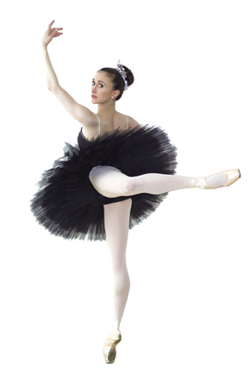
Ballet technique is divided into several categories. Adagio movements are slow and controlled, emphasizing balance and extension. Allegro movements are fast, including jumps, turns, and quick footwork. Pointe work, where dancers rise onto the tips of their toes using specially reinforced shoes, is one of ballet’s most recognizable skills. Pointe shoes have a hard box at the toe made of layers of fabric, paper, and paste that supports the dancer’s weight. Most dancers do not begin pointe work until their feet and ankles are strong enough, usually around age 11 or 12.
Famous Ballets
Some ballets have been performed for well over a century and remain beloved by audiences worldwide. Swan Lake, with music by Pyotr Ilyich Tchaikovsky, tells the story of a princess cursed to live as a swan. It premiered in 1877 and is considered one of the greatest ballets ever created. The Nutcracker, also set to Tchaikovsky’s music, follows a girl named Clara on a magical Christmas Eve adventure through a land of dancing snowflakes and sweets. It has become a holiday tradition performed by ballet companies around the world every December.
Sleeping Beauty, the third of Tchaikovsky’s famous ballet scores, brings the fairy tale to life with elaborate costumes and sets. Giselle, created in 1841, is one of the great Romantic-era ballets and tells a ghostly love story. More recently, choreographers have created modern ballets that blend classical technique with contemporary movement and themes.
Training and Life of a Dancer
Becoming a professional ballet dancer requires extraordinary dedication. Most dancers begin training between the ages of four and eight, and serious students may attend full-time ballet academies where they study dance for several hours each day alongside their regular schoolwork. Training includes daily classes at the barre (a horizontal rail used for balance exercises), center work without the barre, and rehearsals for performances.
Professional ballet dancers typically perform with a ballet company, where they may dance in several productions each season. A dancer’s career is physically demanding, and many professionals retire from performing in their mid-thirties. However, many go on to become teachers, choreographers, or artistic directors, passing their knowledge on to the next generation of dancers.
Costumes and Music
Ballet costumes are both beautiful and functional. The tutu is ballet’s most iconic garment. The classical tutu is short and stiff, sticking straight out from the waist to show off the dancer’s leg movements. The Romantic tutu is longer and softer, reaching below the knee, and was popular in the 1800s. Male dancers typically wear tights and fitted tops that allow freedom of movement.
Music is essential to ballet. Many of the world’s greatest composers have written ballet scores. Tchaikovsky’s music for Swan Lake, The Nutcracker, and Sleeping Beauty set the standard. Igor Stravinsky revolutionized ballet music in the early 1900s with bold, rhythmically complex scores like The Rite of Spring. Today, ballet companies perform to everything from classical orchestral pieces to contemporary compositions, and some modern ballets even incorporate electronic or popular music.
Ballet Around the World Today
Ballet has spread far beyond its European origins and is now practiced and performed on every continent. Major ballet companies can be found in cities from New York (American Ballet Theatre, New York City Ballet) to Moscow (Bolshoi Ballet), London (Royal Ballet), Paris (Paris Opera Ballet), and Sydney (Australian Ballet). Each company brings its own style and traditions to the art form. In the United States, the Russian-born choreographer George Balanchine founded the New York City Ballet in 1948 and developed a faster, more athletic American style of ballet. In 2015, Misty Copeland made history by becoming the first African American woman to be named a principal dancer at American Ballet Theatre, inspiring a new generation of dancers who had never before seen someone who looked like them in a leading role.
Ballet also continues to evolve. Contemporary choreographers blend classical ballet with modern dance, hip-hop, and other movement styles to create new works that speak to today’s audiences. Ballet schools have become more inclusive, welcoming dancers of all backgrounds and body types. While the core technique remains rooted in centuries of tradition, ballet is a living art form that keeps growing and changing with the times.
 OtterKnow Kids Encyclopedia