The History of Costume Design
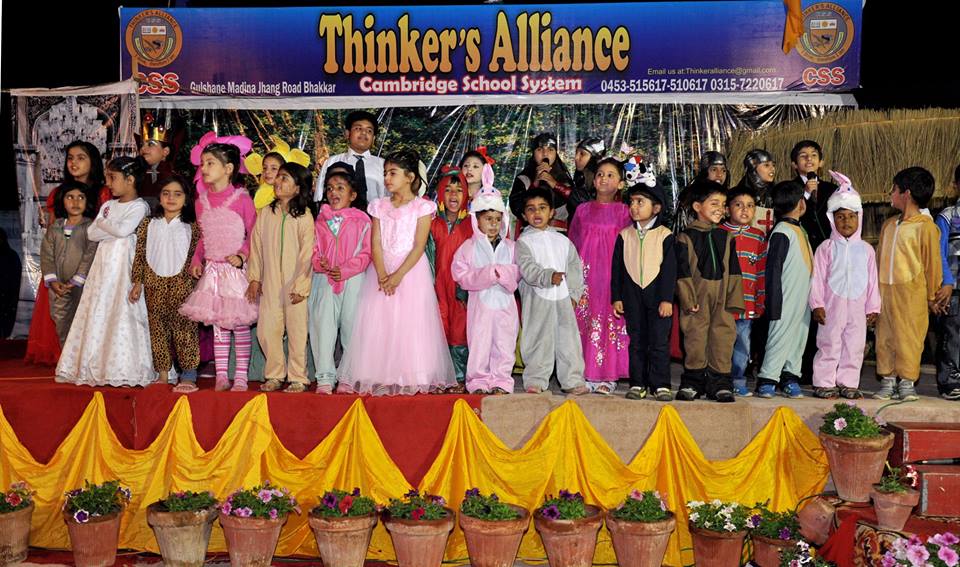
People have been using costumes in performances for thousands of years. In ancient Greece, actors wore large masks and robes to play different characters, and the masks helped audiences sitting far away identify each role. During the Middle Ages in Europe, performers in religious plays wore symbolic costumes, such as white for angels and red for devils. It was not until the 1800s that theater companies began designing costumes to match the specific time period and setting of each play. Today, costume design is considered an art form, and the Academy Awards have given out an Oscar for Best Costume Design since 1949.
Materials and Techniques
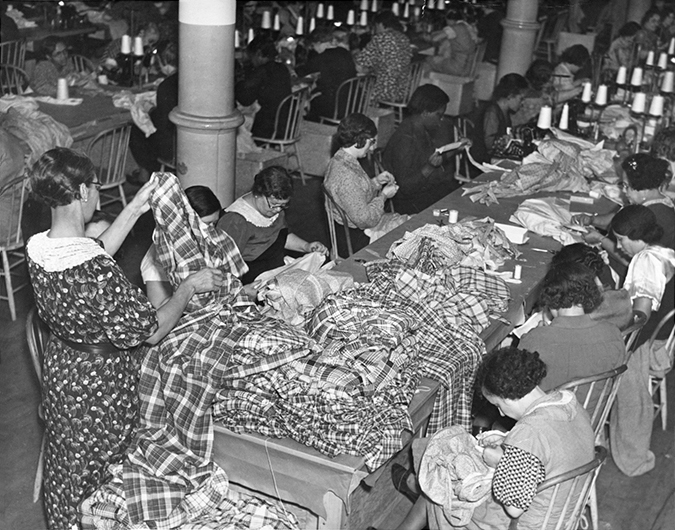
Costume designers use a wide variety of materials to create their designs. Fabrics like silk, cotton, velvet, and polyester are common, and designers choose them based on how they look under stage lighting and how they move when an actor walks or dances. Special techniques include dyeing, painting, and distressing fabric to make costumes look old, worn, or weathered. For fantasy and science fiction productions, designers might use foam, thermoplastics, and even 3D printing to create armor, alien features, or futuristic accessories. Every costume must also be practical enough for actors to put on, take off, and perform in, sometimes with very quick changes backstage.
The Art of Prop Making
Prop makers are skilled craftspeople who build everything from realistic food to elaborate treasure chests. Props are divided into categories: hand props are items actors carry, like a book or a phone; set props are larger items placed on stage, like furniture; and personal props belong to a specific character throughout the show. Many props are designed to be lighter and safer than real objects, so a stage sword might be made of wood or rubber instead of metal. In film and television, prop makers must create objects that look convincing on camera, sometimes building multiple copies of the same prop in case one gets damaged during filming.
Famous Costume Designers
Some costume designers have become legends in the entertainment world. Edith Head won eight Academy Awards for her costume work in Hollywood films, more than any other costume designer in history. Sandy Powell has won three Oscars for films including Shakespeare in Love and The Aviator. In theater, Julie Taymor designed the stunning animal costumes and puppets for The Lion King musical on Broadway, combining African art traditions with modern puppet techniques. William Ivey Long has won six Tony Awards for his Broadway costume designs, creating looks for shows like Hairspray and Cinderella.
Movie Costumes vs. Theater Costumes
Costumes for movies and theater serve the same basic purpose, but they are designed very differently. Theater costumes must be visible from far away, so they tend to use bold colors, exaggerated shapes, and larger accessories that audience members in the back row can see clearly. Movie costumes, on the other hand, are filmed in close-up, so every tiny detail matters, from the stitching on a button to the texture of a fabric. Theater actors may need to make quick costume changes in just seconds backstage, which means their costumes often have hidden zippers, snaps, or Velcro. Movie actors usually have more time between scenes, allowing for more complex and detailed costumes.
Costumes and Props in School Productions
School plays and musicals give students a chance to experience the creativity of costume and prop design firsthand. Many school productions work with limited budgets, which teaches students to be resourceful and inventive, turning cardboard boxes into castles and old clothes into period costumes. Students involved in theater jobs like costume crew and prop crew learn valuable skills including sewing, painting, problem-solving, and teamwork. Whether a production is on Broadway or in a school gymnasium, the right costumes and props can transport an audience to another time and place.
 OtterKnow Kids Encyclopedia