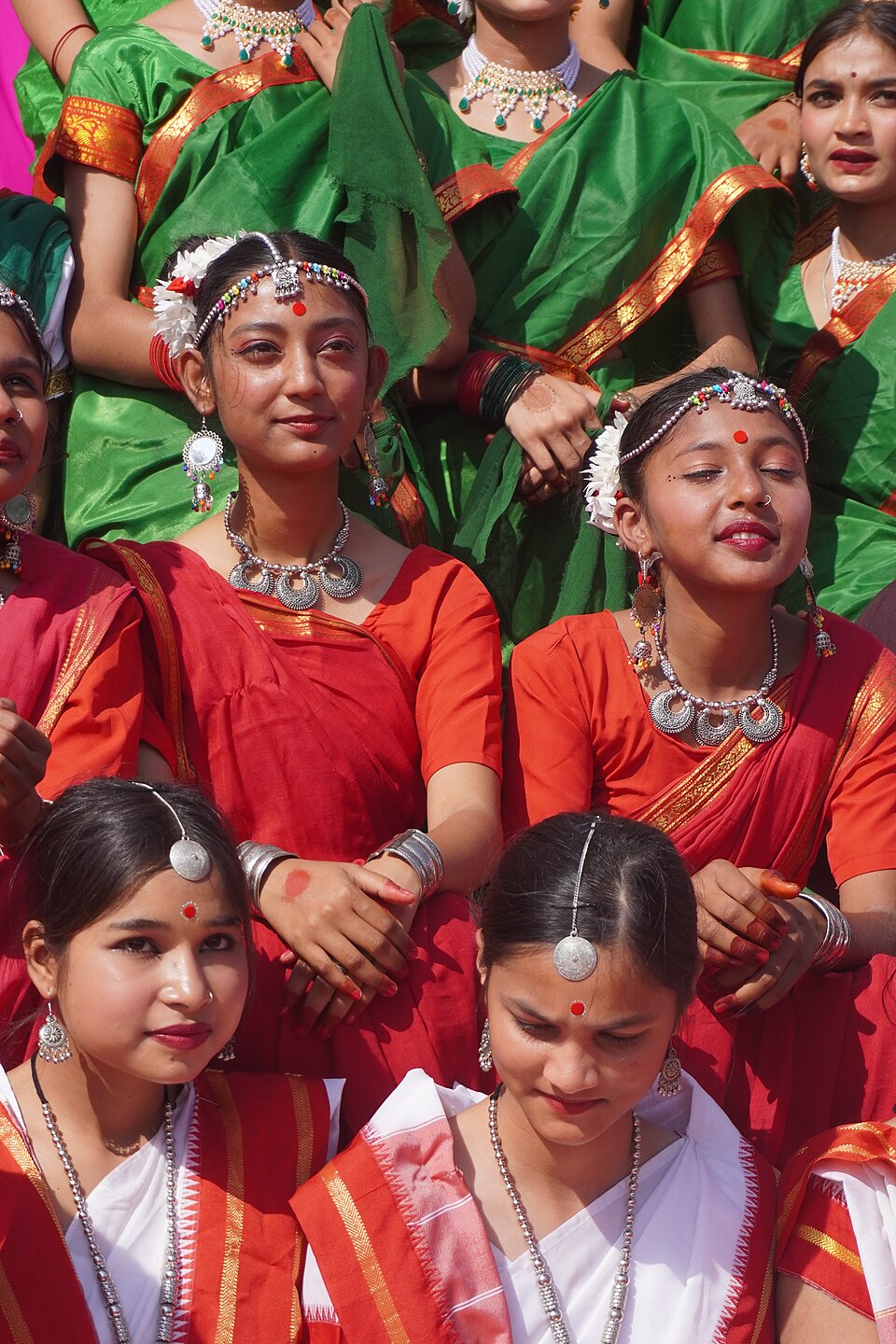
Dances of Europe
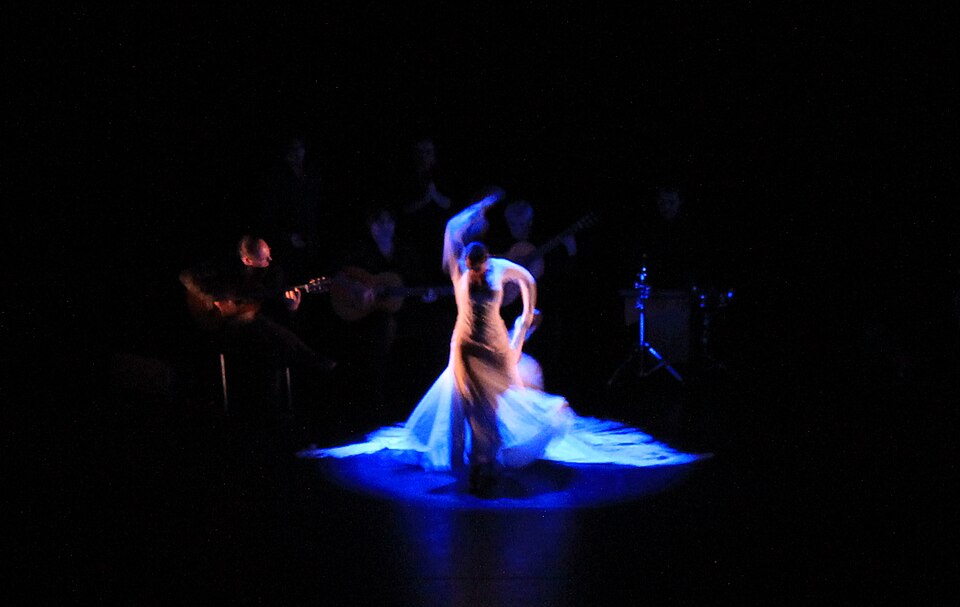
Irish stepdance is one of the most famous folk dances in the world, featuring rapid footwork while the dancer’s upper body stays remarkably still. The show Riverdance brought Irish stepdance to a global audience in the 1990s and inspired millions of people to learn it. Greek folk dances often involve dancers holding hands in a circle or line, stepping together in patterns that have been performed for thousands of years. Spanish flamenco, with its passionate stomping and clapping, tells stories of deep emotion and has roots in the cultures of southern Spain.
Dances of the Americas, Africa, and Asia
The jarabe tapatio, often called the Mexican hat dance, is Mexico’s national folk dance and features a man and woman dancing around a sombrero on the ground. In West Africa, dance and drumming are deeply connected, with dancers responding to the rhythms of the djembe drum in powerful, athletic movements. Hawaiian hula is a beautiful form of storytelling through movement, where every gesture of the hands and sway of the body represents words like ocean, wind, or love. India’s Bharatanatyam is one of the oldest classical dance forms in the world, using precise hand gestures and facial expressions to tell stories from ancient texts.
Why Folk Dances Matter
Folk dances preserve the memory and identity of communities across the globe. When people perform these dances, they connect with their ancestors and keep traditions alive for future generations. Many folk dances are taught to children from a very young age so the knowledge is never lost. Learning folk dances from other cultures can also help us understand and appreciate the rich variety of human traditions around the world.
 OtterKnow Kids Encyclopedia