Folk Dances from Europe
Europe has a rich tradition of folk dances that vary widely from country to country. Irish step dancing is one of the most recognizable European folk dances. Dancers keep their upper body almost completely still while their feet perform incredibly fast and precise movements. Irish step dancing gained worldwide fame through the show Riverdance in the 1990s, but the dance itself dates back hundreds of years to Irish social gatherings called ceilis.
In Spain, flamenco is a passionate dance that combines footwork, hand clapping, and guitar music. Flamenco originated in the Andalusia region of southern Spain and draws on Roma, Moorish, and Spanish cultural influences. Dancers wear fitted dresses with ruffled skirts and use sharp, rhythmic stomping called zapateado to create percussive sounds.
Other European folk dances include the polka from Central Europe, which features quick half-steps performed by couples, and Greek syrtos, one of the oldest known dances in the world, where dancers form a line or circle and move in unison.
Folk Dances from the Americas
The Americas are home to many lively folk dance traditions. In the United States, square dancing involves four couples arranged in a square who follow calls from a designated caller. The caller shouts out moves like “do-si-do” and “swing your partner,” and the dancers respond in time with the music. Square dancing blends traditions from English, Scottish, and French settlers and has been named the official state dance of 28 U.S. states.
In Brazil, the samba is a lively dance with African roots that is most closely associated with Carnival, the massive celebration held before Lent each year. Samba features quick, bouncy footwork and swaying hip movements. During Carnival in Rio de Janeiro, samba schools with hundreds of dancers parade through the streets in elaborate costumes.
In Mexico, Jarabe Tapatio, often called the Mexican Hat Dance, is the country’s national dance. Dancers perform intricate footwork around a sombrero placed on the ground, and the dance tells a courtship story through movement.
Folk Dances from Asia and the Pacific
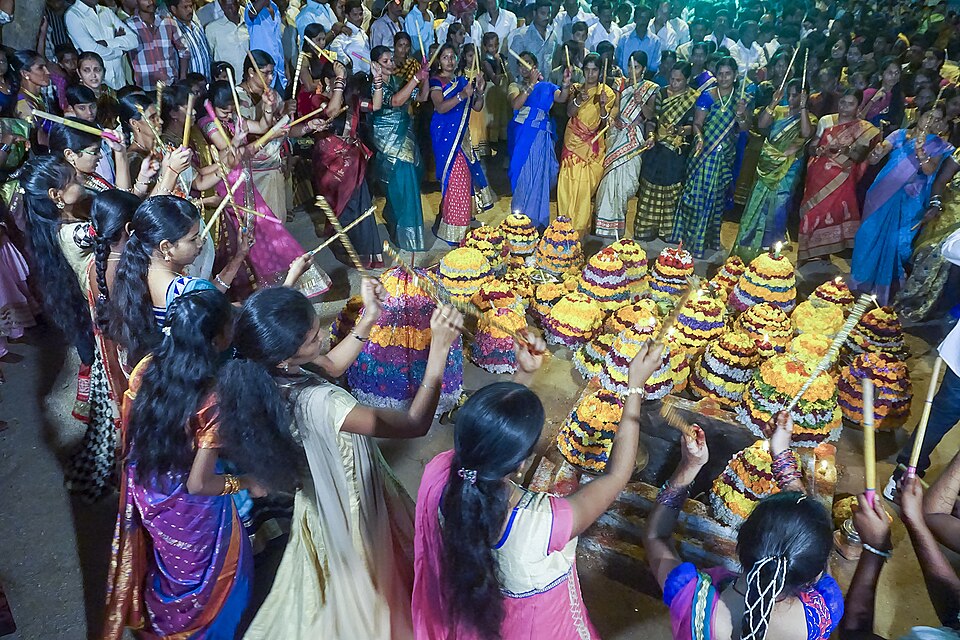
Asia and the Pacific Islands have some of the world’s oldest and most expressive folk dance traditions. In India, there are dozens of distinct folk dances tied to different regions and festivals. Bhangra from the Punjab region features energetic jumping and arm movements and was originally performed to celebrate the spring harvest. Garba from Gujarat involves dancers moving in circles while clapping or using decorated sticks.
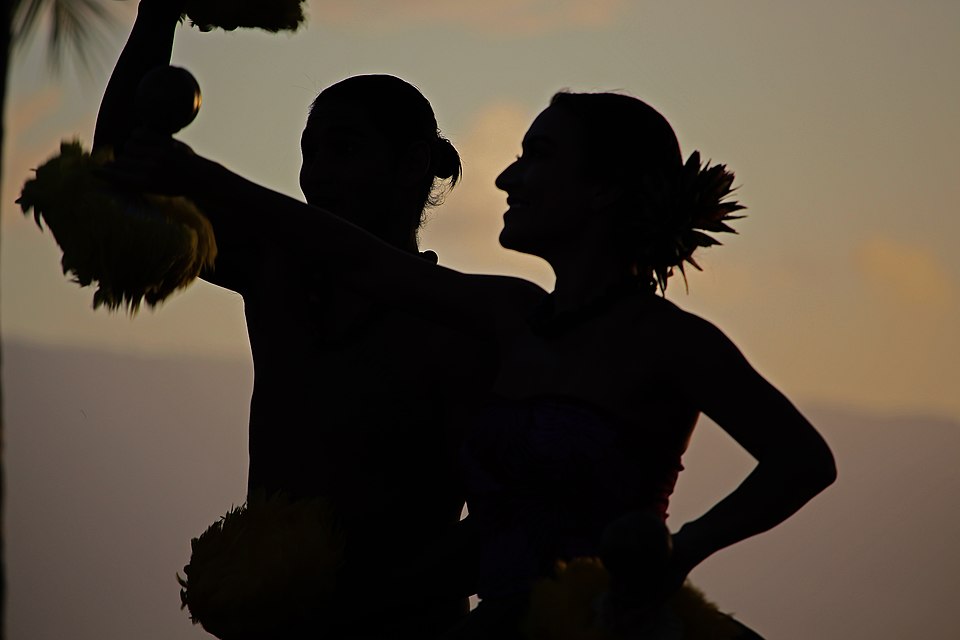
In Hawaii, the hula is a sacred dance form that uses graceful hand and hip movements to tell stories about nature, history, and mythology. Ancient hula, called hula kahiko, is performed to chanting and traditional percussion, while modern hula, called hula auana, is accompanied by string instruments and singing.
In Japan, Bon Odori is a folk dance performed during the Obon festival to honor the spirits of ancestors. Dancers move in a circle around a raised platform, and the specific steps and music vary by region.
Costumes and Music
Folk dance costumes are often as colorful and distinctive as the dances themselves. Costumes typically reflect the traditional clothing of a region and may include embroidered fabrics, flowing skirts, sashes, and headdresses. In many cultures, the costume is just as important as the dance steps because it represents the identity and pride of the community.
Music is inseparable from folk dance. Each tradition uses its own instruments and rhythms. Irish step dancing is accompanied by fiddles, flutes, and bodhran drums. Flamenco relies on the Spanish guitar and rhythmic clapping called palmas. Indian folk dances use instruments like the dhol drum and harmonium. The music sets the pace and mood for the dance and often tells a story of its own. In square dancing, the music comes from fiddles, banjos, and guitars, while the caller’s voice acts as an additional rhythmic guide.
UNESCO and Preserving Folk Dances
Many folk dances are at risk of being forgotten as modern entertainment and lifestyles change. To help protect these traditions, the United Nations Educational, Scientific and Cultural Organization (UNESCO) maintains a list called the Intangible Cultural Heritage of Humanity. This list recognizes cultural practices, including folk dances, that are important to preserve for future generations.
Several folk dances have been added to UNESCO’s list, including flamenco from Spain, the samba de roda from Brazil, and the traditional Ainu dance from Japan. Being on this list encourages countries to support dance schools, festivals, and performances that keep these traditions alive. Many communities around the world also hold annual folk dance festivals where people of all ages can learn, perform, and celebrate together.
Why Folk Dances Matter
Folk dances are more than just entertainment. They are living links to the past that help people understand where they come from and feel connected to their community. Dancing together builds bonds between people of all ages and backgrounds. Folk dances also teach important values like cooperation, rhythm, and respect for tradition.
Today, folk dance groups and cultural organizations exist in cities around the world, keeping these traditions alive far from their places of origin. Many schools include folk dance in their physical education or music programs, giving students a chance to experience dances from cultures different from their own. Whether you are stomping your feet in an Irish step dance, swaying your hips in a hula, or following a caller in a square dance, folk dancing is a joyful way to celebrate the diversity of human culture.
 OtterKnow Kids Encyclopedia