Origins in the Bronx
Hip-hop dance was born in the South Bronx during the 1970s. At that time, the Bronx was a neighborhood facing poverty and tough living conditions. Young people found an outlet through music and dance at outdoor block parties. DJ Kool Herc, a Jamaican American DJ, is often credited with helping spark hip-hop culture. He pioneered a technique of playing the percussion break of a song on repeat, creating an extended beat that dancers could move to. These breaks gave rise to the term “b-boy” and “b-girl,” short for break-boy and break-girl.
Other early pioneers included Afrika Bambaataa, who founded the Universal Zulu Nation in 1973, an organization that encouraged young people to channel rivalries into dance battles and creative expression instead of violence. The dance circle, known as a cypher, became the main stage where dancers would take turns showcasing their skills.
Breaking
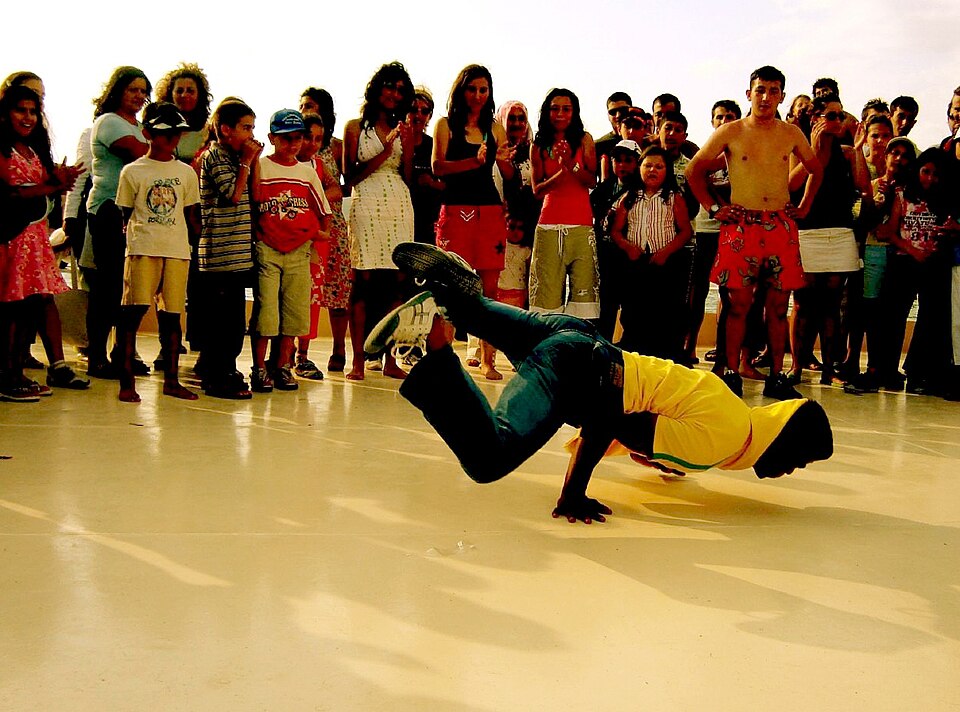
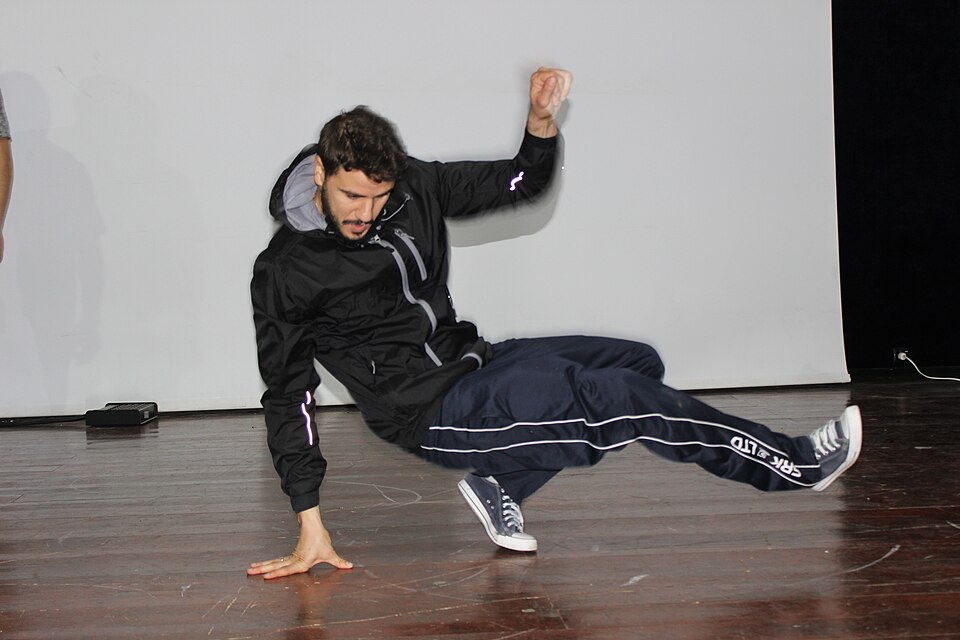
Breaking, also called breakdancing, is the oldest and most well-known hip-hop dance style. It involves four main elements. Toprock is the footwork performed while standing up. Downrock involves moves done on the floor, with the dancer’s hands supporting their body. Power moves are the acrobatic tricks that audiences find most impressive, including spins on the head, back, or hands. Freezes are poses where the dancer holds a difficult position, often balancing on one hand or their head.
Breaking requires tremendous athletic ability, including strength, balance, flexibility, and coordination. Breakers spend years perfecting their moves. In 2024, breaking made its debut as an Olympic sport at the Paris Games, a milestone that showed just how far the dance form had come from the streets of the Bronx.
Popping and Locking
Popping and locking are two distinct styles that developed on the West Coast of the United States in the late 1970s.
Popping was created by Sam Solomon, known as Boogaloo Sam, in Fresno, California. The technique involves quickly contracting and relaxing muscles to create a jerky, mechanical effect. Dancers who pop can make it look like an electric current is running through their body, or they can imitate robots, waves, and other visual illusions. The style spawned related techniques like the robot, waving, and tutting.
Locking was invented by Don Campbell in Los Angeles around 1969. Locking involves performing fast, distinct movements and then suddenly stopping, or “locking,” into a position. Lockers often use big, exaggerated arm and hand movements, points, and splits. The style is playful and theatrical, and lockers frequently interact with the audience during performances.
Krumping
Krumping emerged in Los Angeles in the early 2000s as a highly expressive and energetic dance style. It was developed in the African American communities of South Central Los Angeles. Dancers like Thomas “Tommy the Clown” Johnson and Tight Eyez are credited as key figures in the style’s creation.
Krumping is characterized by powerful, exaggerated movements including chest pops, arm swings, and stomps. The energy is intense and raw, and krump sessions can look almost like a conversation between dancers, each one trying to outdo the other with bigger, more explosive moves. Like earlier hip-hop styles, krumping provided a positive outlet for young people to express strong emotions through movement rather than violence.
Dance Battles and Cyphers
Competition has always been at the heart of hip-hop dance. Dance battles are events where dancers or crews face off against each other, taking turns performing while judges or the crowd decides who wins. Battles test a dancer’s creativity, technique, musicality, and ability to perform under pressure.
The cypher is a circle formed by spectators and dancers, with performers taking turns in the center. Cyphers can be casual and spontaneous or part of organized events. Major international competitions like Red Bull BC One, Juste Debout, and the UK B-Boy Championships attract breakers, poppers, lockers, and other hip-hop dancers from around the world.
Hip-Hop Dance Today
Hip-hop dance has grown far beyond its street origins. Today it is taught in dance studios and schools worldwide. Choreographed hip-hop, sometimes called “new style” or “urban choreography,” is commonly seen in music videos, concerts, and movies. Television shows and social media have helped spread hip-hop dance to new audiences, with viral dance challenges introducing millions of people to hip-hop movement.
Hip-hop dance continues to evolve. Dancers blend elements from breaking, popping, locking, and many other styles to create something new. In schools and community centers, hip-hop dance programs help young people build confidence, stay active, and connect with others. From the Bronx block parties of the 1970s to the Olympic stage, hip-hop dance remains a powerful form of creative expression that belongs to everyone.
 OtterKnow Kids Encyclopedia