Dance in the Ancient World
The ancient Egyptians used dance in religious rituals and celebrations, and paintings on tomb walls show dancers performing for pharaohs and gods. In ancient Greece, dance was part of theater performances, with a group called the chorus dancing and singing to help tell the story on stage. Greek philosophers like Plato believed that dance was important for education because it trained both the body and the mind. The Romans also enjoyed dance, though they often preferred watching professional performers rather than dancing themselves.
Court Dances and the Birth of Ballet
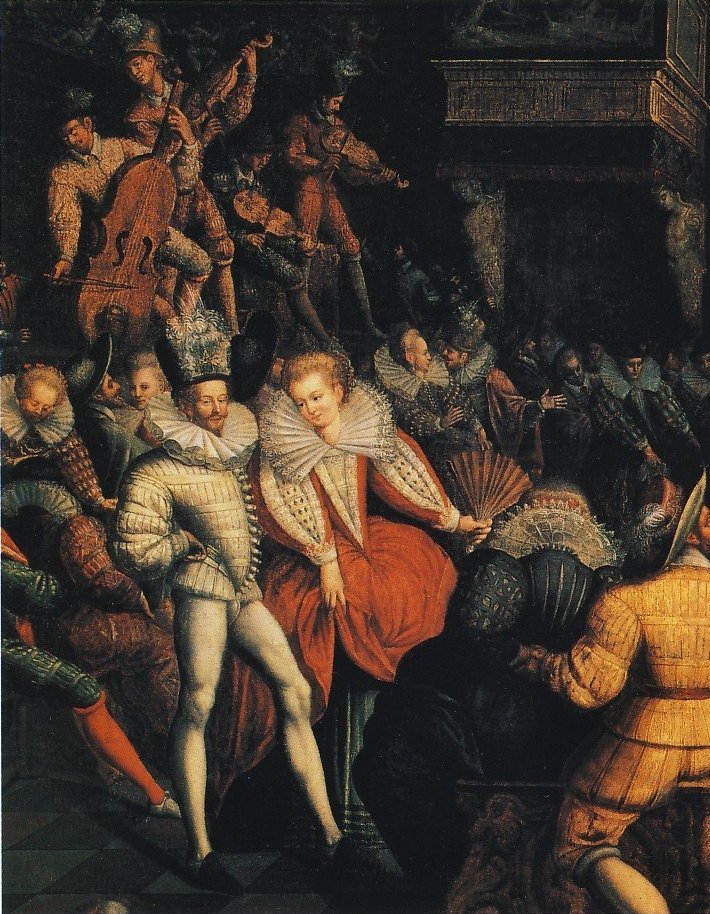
During the Renaissance in Europe, starting around the 1400s, dance became an important part of royal court life. Kings and queens held elaborate balls where nobles performed carefully rehearsed dances to show off their grace and manners. These court dances eventually developed into ballet, which became a formal art with strict rules and professional dancers. The waltz, which arrived in the 1700s, was considered shocking at first because partners held each other closely while spinning across the floor.
Modern Dance Revolution
In the early 1900s, a dancer named Isadora Duncan threw away her ballet shoes and danced barefoot in flowing robes, breaking free from ballet’s strict rules. She believed dance should express natural human emotion, and her rebellion inspired what we now call modern dance. Martha Graham, another pioneer, developed her own powerful technique that used sharp, angular movements to express deep feelings. These brave artists changed dance forever by proving that there was no single right way to move.
Dance Reflects Society
Throughout history, dance has reflected the beliefs and values of each era. The twist of the 1960s shocked parents the same way the waltz had shocked people two centuries earlier. Hip-hop dance in the 1970s gave young people in tough neighborhoods a creative way to express themselves. Today, dance continues to evolve as people around the world blend old traditions with new ideas, creating styles that future generations will look back on as part of their history.
 OtterKnow Kids Encyclopedia