Types of Puppets
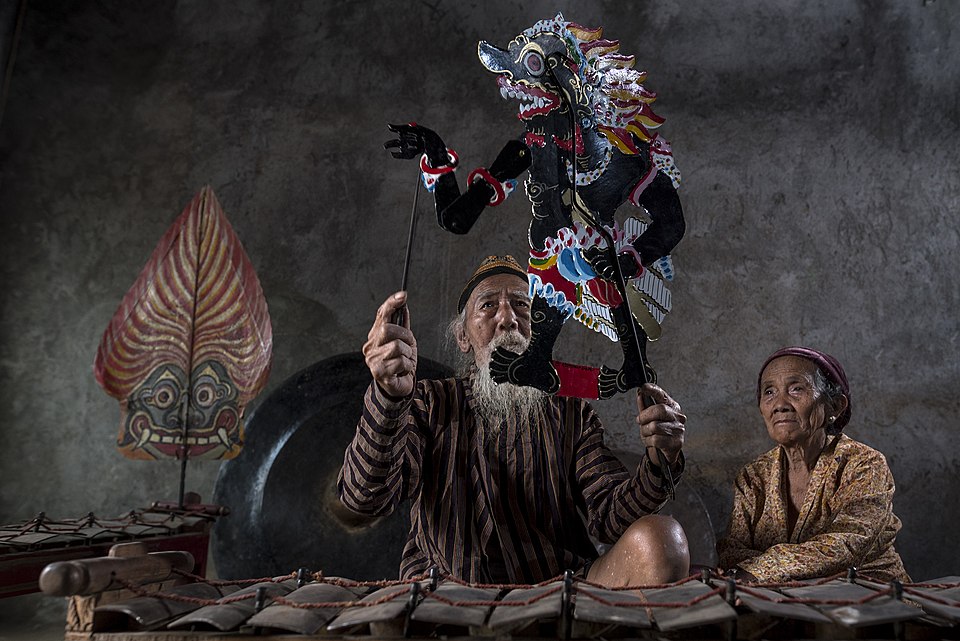
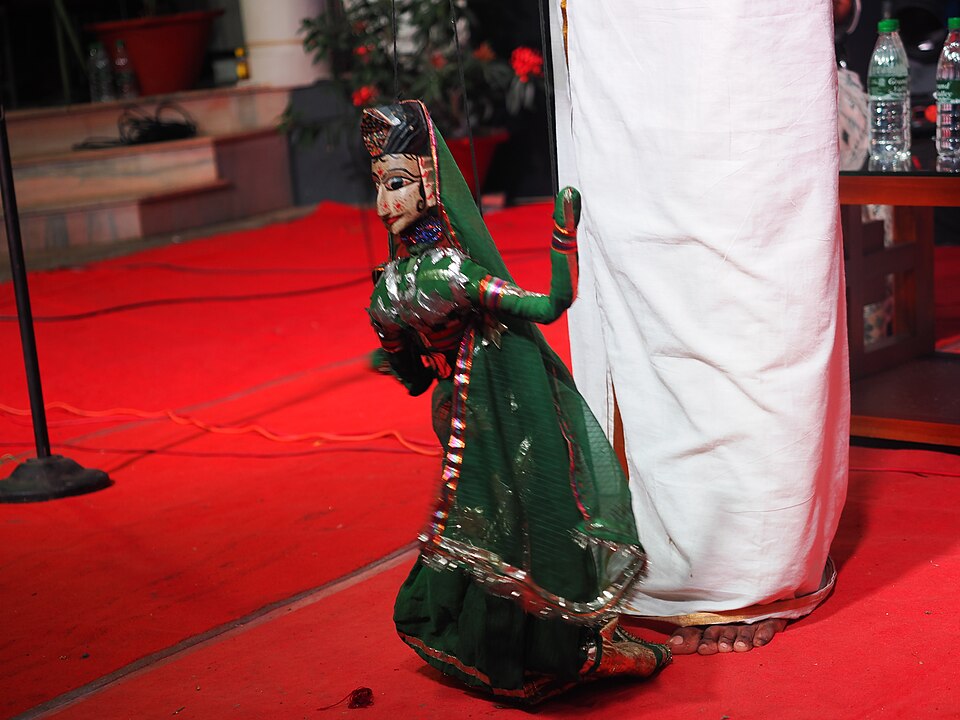
There are many different kinds of puppets, and each type is controlled in a different way. Hand puppets fit over the performer’s hand like a glove, while marionettes are controlled from above by strings attached to a wooden frame. Rod puppets are moved by sticks attached to their limbs, and shadow puppets are flat figures held behind a lit screen to create silhouettes. Shadow puppetry has a rich tradition in Indonesia and China, where performers use beautifully detailed leather cutouts to act out ancient stories.
Bunraku and the Muppets
Japanese Bunraku is one of the most complex forms of puppetry in the world, requiring three skilled puppeteers to operate a single puppet on stage. One person controls the head and right hand, another moves the left hand, and the third operates the feet, all working together in perfect coordination. On the other end of the spectrum, Jim Henson created the Muppets in the 1950s, bringing a playful, humorous style of puppetry to television and movies that delighted audiences worldwide. From the ancient art of Bunraku to the modern fun of the Muppets, puppetry continues to evolve and entertain.
The Power of Masks
In ancient Greek theater, actors wore large masks with exaggerated expressions to show the audience whether a play was a comedy or a tragedy. These masks could be seen from the back rows of enormous outdoor amphitheaters that held thousands of spectators. In many African cultures, masks are sacred objects used in ceremonies to represent ancestors, spirits, or forces of nature. Wearing a mask allows a performer to transform into a completely different character, hiding their own identity and bringing something new to life.
Puppetry and Masks Today
Today, puppetry and mask performance continue to thrive in both traditional and modern forms. Puppet shows are still performed at festivals and theaters around the world, and puppetry is used in popular television shows and movies. Masks remain central to cultural celebrations like Carnival in Venice, Dia de los Muertos in Mexico, and traditional ceremonies across Asia and Africa. Whether crafted from wood, fabric, leather, or foam, these ancient art forms remind us that humans have always loved to create characters and tell stories through objects they bring to life.
 OtterKnow Kids Encyclopedia