Famous Theaters and Stages
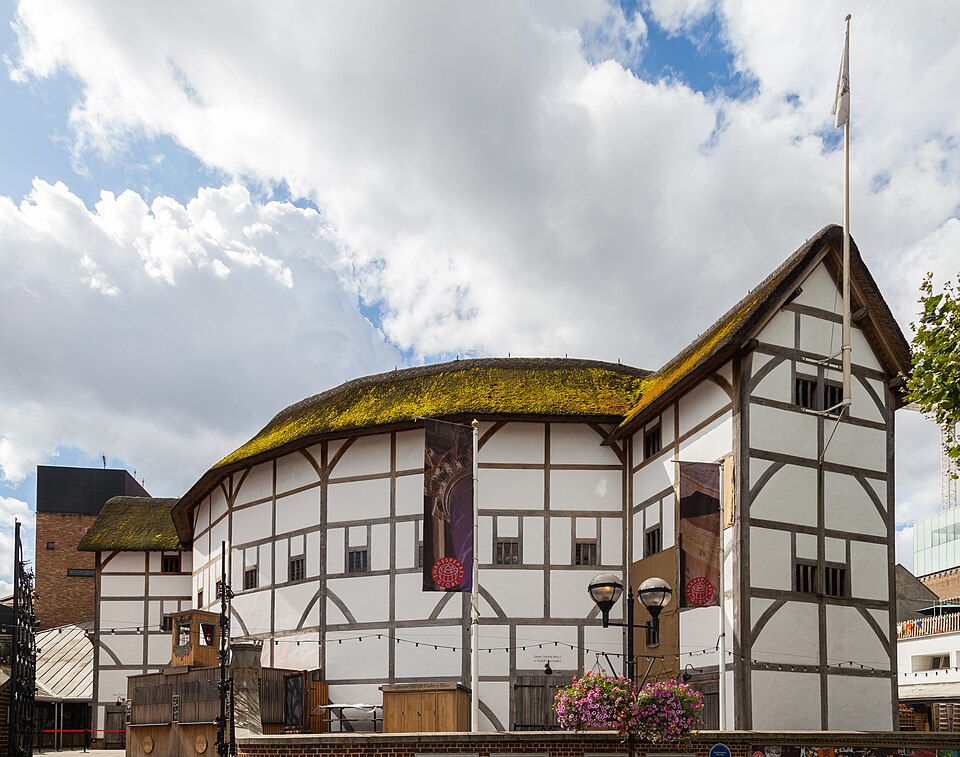
One of the most famous theaters in history is Shakespeare’s Globe Theatre, built in London in 1599, where William Shakespeare’s plays were first performed. The Globe was an open-air theater where audience members called groundlings stood on the ground right in front of the stage. There are different types of stages used in modern theaters, including the proscenium stage, where the audience sits in front of a framed opening like a picture frame. Thrust stages extend out into the audience on three sides, while arena stages, also called theater in the round, place the audience on all four sides of the performers.
The Art of Stagecraft
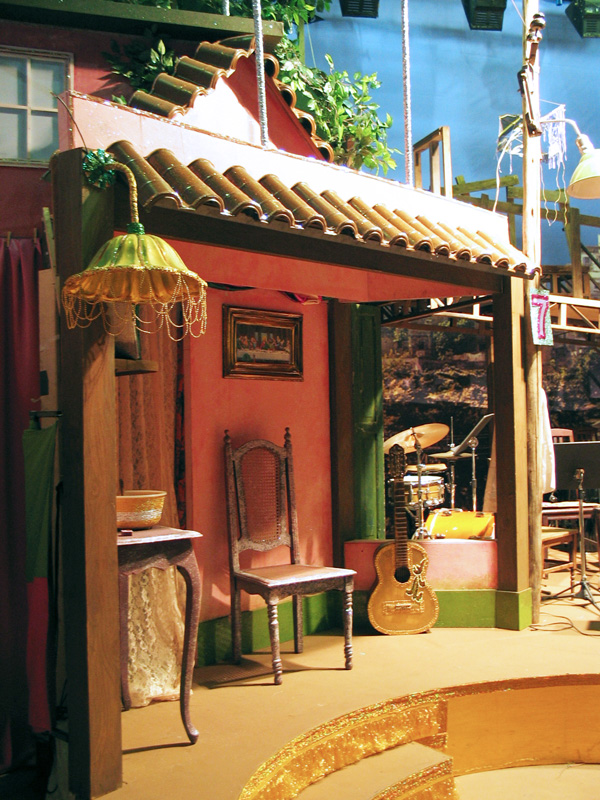
Stagecraft refers to all the technical work that goes into making a play look and sound amazing. Set designers build the scenery that creates the world of the play, from a cozy living room to a magical forest. Lighting designers use colored lights, spotlights, and shadows to set the mood and guide the audience’s attention to what matters most on stage. Sound designers handle everything the audience hears beyond the actors’ voices, including music, sound effects, and making sure microphones work properly.
Actors and Directors
Actors are the performers who bring characters to life on stage, using their voices, bodies, and emotions to make the audience believe in the story. The Russian teacher Constantin Stanislavski developed a system of acting in the early 1900s that encouraged actors to deeply understand their characters’ feelings and motivations. Directors are the leaders who guide the entire production, deciding how actors should move, speak, and interact with each other on stage. Stage directions use special terms — downstage means closer to the audience, while upstage means farther away.
What makes theater special is that it happens live, right in front of you, and no two performances are ever exactly the same. There is a famous saying in theater that the show must go on, meaning performers push through any problems to deliver the best show possible. Behind every great performance is a dedicated technical crew handling costumes, props, makeup, and scene changes that the audience never sees. Whether you are an actor, a stagehand, or someone sitting in the audience, theater creates a shared experience that movies and television simply cannot match.
 OtterKnow Kids Encyclopedia