A Brief History of Documentaries
One of the earliest documentaries ever made was called Nanook of the North, created by filmmaker Robert Flaherty in 1922. It followed the daily life of an Inuit man and his family surviving in the Canadian Arctic, and it amazed audiences who had never seen that way of life before. However, Flaherty also staged some scenes, which raised important questions about honesty in filmmaking that people still debate today. Over the decades, documentaries grew more popular and took on many new forms, from newsreels shown in theaters to the nature specials and streaming films we enjoy today.
Nature Documentaries
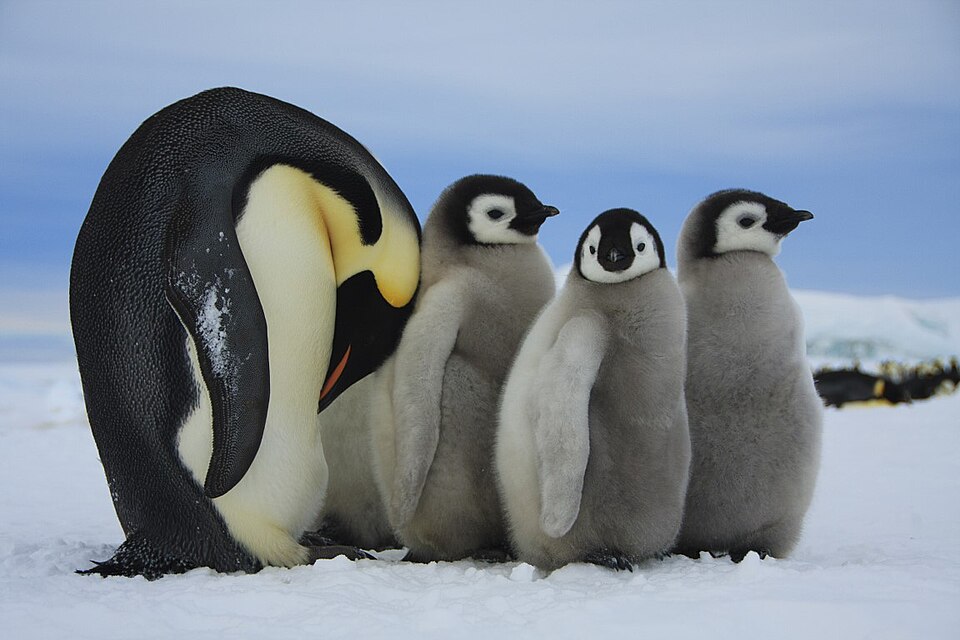
Nature documentaries take viewers to the most remote and beautiful places on Earth to witness wildlife in action. The BBC series Planet Earth, narrated by Sir David Attenborough, used new camera technology to film animals and landscapes in sharp, close-up detail. Some crews spent weeks camped out in freezing conditions just to capture a few minutes of footage. March of the Penguins followed emperor penguins marching across Antarctica to raise their young. These films help people understand the natural world and why protecting it matters.
Historical and Social Documentaries
Some documentaries look back at history to help us understand how the world came to be the way it is. These films use old photographs, film clips, and interviews with people who were there to bring the past to life. Other documentaries focus on social issues like pollution, poverty, or inequality, drawing attention to problems and motivating people to take action. A powerful documentary can make you care deeply about something you had never thought about before.
Famous Documentary Filmmakers
Several filmmakers have become well known for their documentary work. Sir David Attenborough has spent over 70 years bringing nature into people’s homes through television, narrating series that have been watched by hundreds of millions of viewers. Jacques Cousteau pioneered underwater filmmaking and introduced audiences around the world to ocean life. Ken Burns is known for his detailed historical documentaries about topics in American history, using photographs and letters to tell compelling stories about the past.
How Documentaries Are Made
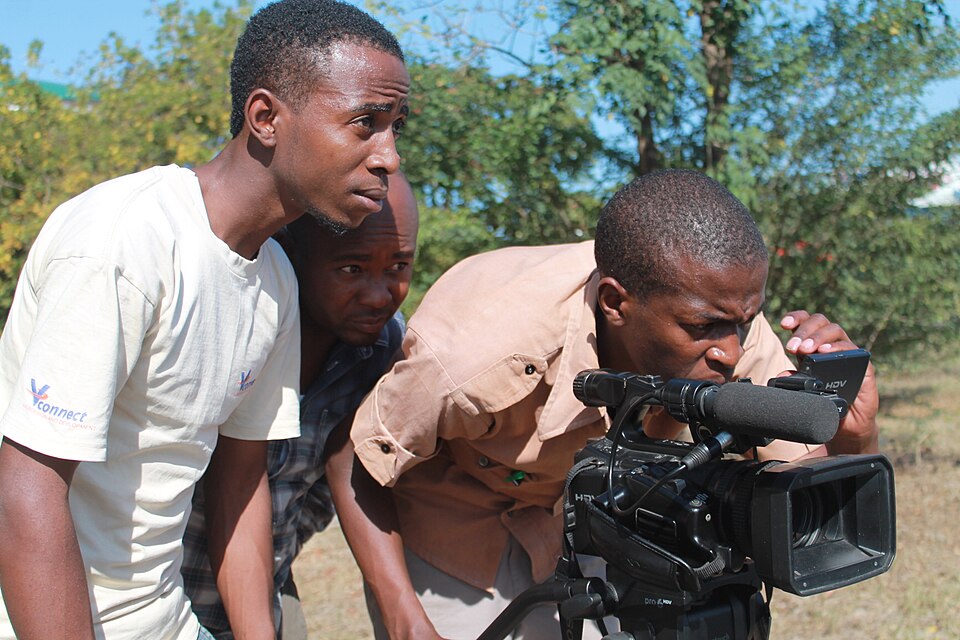
Making a documentary requires curiosity, patience, and a willingness to follow the story wherever it leads. Filmmakers start by researching their topic thoroughly, then spend weeks, months, or even years filming their subjects. Unlike in fictional movies, documentary directors cannot control what happens, so they must be ready to capture whatever unfolds. After filming, editors piece together the best footage, add music and narration, and shape everything into a story that will connect with viewers.
Why Documentaries Matter
Documentaries can change minds and inspire action. By showing real stories from around the world, they build understanding between people of different backgrounds and cultures. Environmental documentaries have helped spark conservation movements, and historical documentaries have kept important memories alive for future generations. Today, anyone with a smartphone can create a short documentary, which means more voices and stories are being shared than ever before.
 OtterKnow Kids Encyclopedia