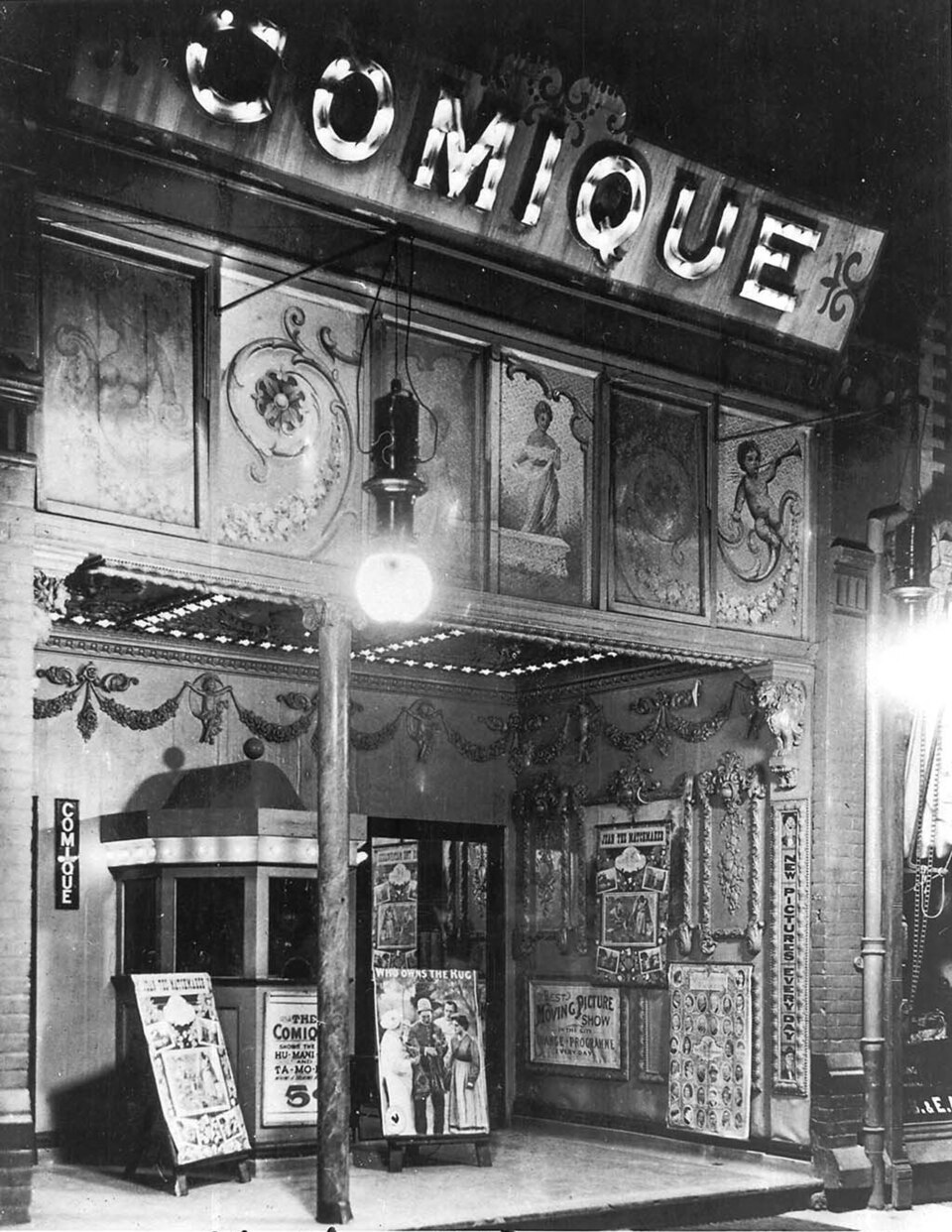
The Silent Film Era
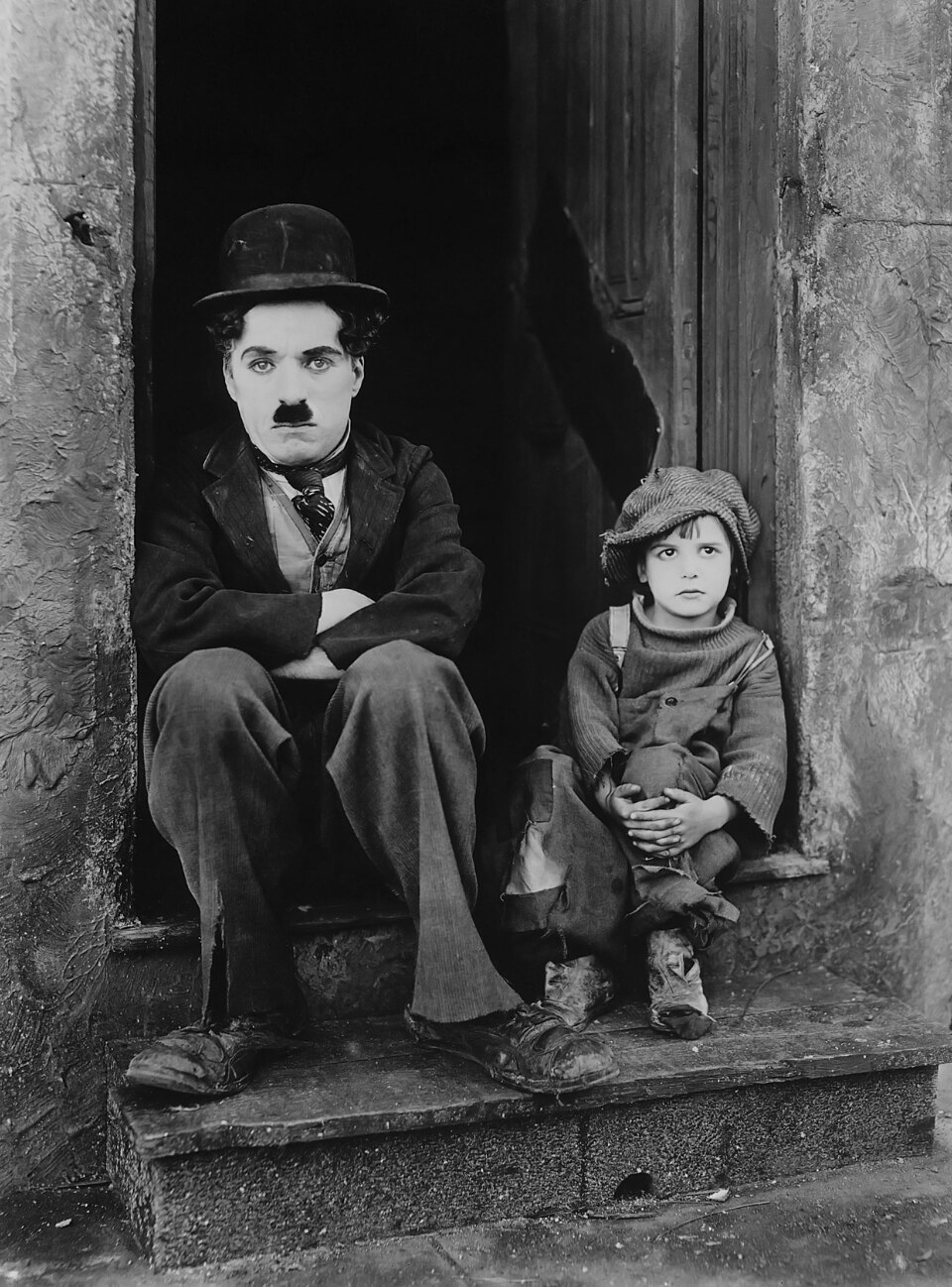
During the early 1900s, films grew longer and told more complex stories, but they still had no spoken dialogue. Silent film stars like Charlie Chaplin and Buster Keaton became worldwide celebrities by using their bodies and facial expressions to make audiences laugh and cry without saying a single word. Title cards with written text appeared between scenes to explain the plot or show dialogue. Movie theaters hired piano players or even full orchestras to provide live music during screenings, adding emotion and excitement to the silent images on screen.
The Talkies and Technicolor
Everything changed in 1927 when The Jazz Singer became the first major film to feature synchronized spoken dialogue, and audiences were thrilled to hear actors actually talk. Movies with sound were nicknamed talkies, and within just a few years, silent films had nearly disappeared. Soon after, Technicolor brought vivid color to the screen, with films like The Wizard of Oz in 1939 dazzling audiences with its bright colors. The period from the 1930s through the 1950s is often called Hollywood’s Golden Age, when the studio system produced hundreds of films and created some of the biggest movie stars in history.
The Blockbuster Era
In the 1970s, directors like Steven Spielberg and George Lucas changed movies forever with their massive, crowd-pleasing blockbusters. Spielberg’s Jaws in 1975 and Lucas’s Star Wars in 1977 drew enormous audiences and showed studios that a single film could earn hundreds of millions of dollars. These filmmakers combined exciting stories with groundbreaking special effects that had never been seen before. The blockbuster era also brought us franchises and sequels, where beloved characters returned in movie after movie.
Film in the Digital Age
The arrival of computer-generated imagery, or CGI, transformed what was possible on screen, allowing filmmakers to create entire worlds that could never be built in real life. Today, many people watch movies on streaming services at home instead of going to a theater, which has changed the film industry enormously. Movies are now made in countries all around the world, and anyone with a smartphone can shoot and edit their own short film. From those first flickering images in 1895 to the digital spectacles of today, the art of filmmaking continues to evolve in exciting ways.
 OtterKnow Kids Encyclopedia