Pre-Production: Planning Every Detail
During pre-production, the director works with a team to plan every aspect of the movie. A casting director holds auditions to find the right actors for each role. The production designer creates the look of the film by planning sets, locations, and the overall visual style. Storyboard artists draw out every scene, almost like a comic book version of the movie, so the director can plan camera angles and movements. The costume and makeup departments design what each character will wear and look like. All of this planning can take several months and involves hundreds of people before a single scene is filmed.
Filming: Lights, Camera, Action
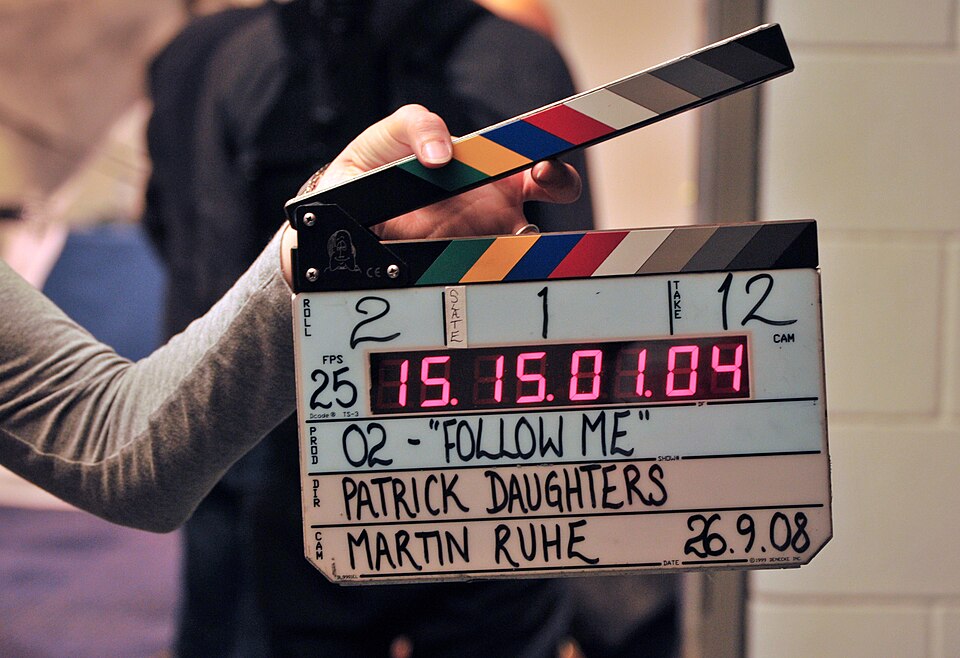
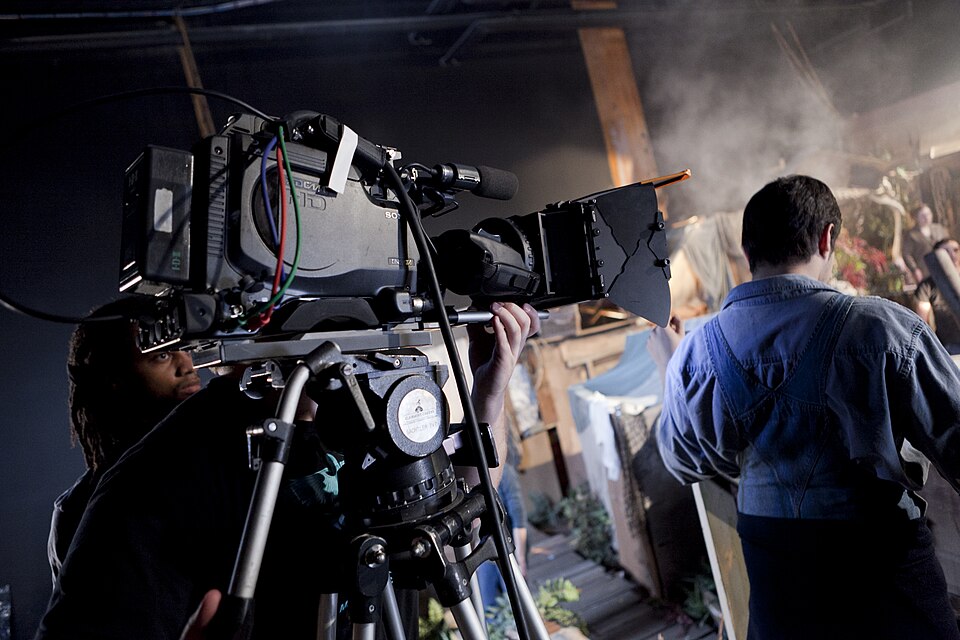
The filming stage, also called production, is when the cameras actually start recording. A typical movie shoots for anywhere from 30 days to over 100 days, depending on how complex it is. The director leads the creative vision, telling actors how to perform each scene and working with the cinematographer to decide how every shot is framed and lit. Each scene is usually filmed many times from different angles, and the director picks the best version of each take. Most movies are not filmed in the order you see them — a scene from the end might be shot on the very first day if it uses the same location as an earlier scene.
Post-Production: Putting It All Together
After filming wraps, the movie enters post-production, where editors piece together thousands of clips into a smooth, finished story. The editor works closely with the director to decide which takes to use, how long each shot should last, and how scenes flow from one to the next. Color grading adjusts the look of every frame so the entire movie has a consistent visual feel. This stage can take six months or more, and it is where the movie truly takes its final shape.
Sound Design and Music
Sound is just as important as the picture in creating a movie experience. Sound designers create or record every noise you hear, from footsteps on gravel to the whoosh of a spaceship. Many sounds in movies are not recorded on set at all — Foley artists recreate them in a studio by crunching celery for bone-breaking sounds or shaking a sheet of metal for thunder. A film composer writes an original musical score that sets the mood for every scene, and the music is performed by an orchestra and recorded in a special studio. Finally, a sound mixer blends all the dialogue, sound effects, and music together so everything is balanced.
Special Effects and CGI
Modern movies use a combination of practical effects and computer-generated imagery, known as CGI, to create things that would be impossible to film in real life. Practical effects include building real explosions, using makeup prosthetics to transform an actor’s appearance, or constructing miniature models of buildings and vehicles. CGI artists use powerful computers to create digital creatures, entire worlds, and spectacular action sequences. Green screens allow filmmakers to place actors in any environment by filming them against a colored backdrop and replacing it digitally. Many blockbuster films spend months on visual effects work alone, with teams of hundreds of digital artists.
A Brief History of Filmmaking
The art of making movies has changed enormously since its beginnings. In 1895, the Lumiere Brothers showed some of the first films to a public audience in France — short clips of everyday life that amazed people who had never seen moving pictures. Early films were silent and black and white, relying on visual storytelling and live music in the theater. The first major film with synchronized sound, The Jazz Singer, arrived in 1927 and transformed the industry. Color film became widespread in the 1930s and 1940s, and the invention of CGI in the 1990s opened up possibilities filmmakers had only dreamed of. Today, anyone with a smartphone can shoot and edit their own movie, making filmmaking more accessible than ever before.
 OtterKnow Kids Encyclopedia