The Art of Foley
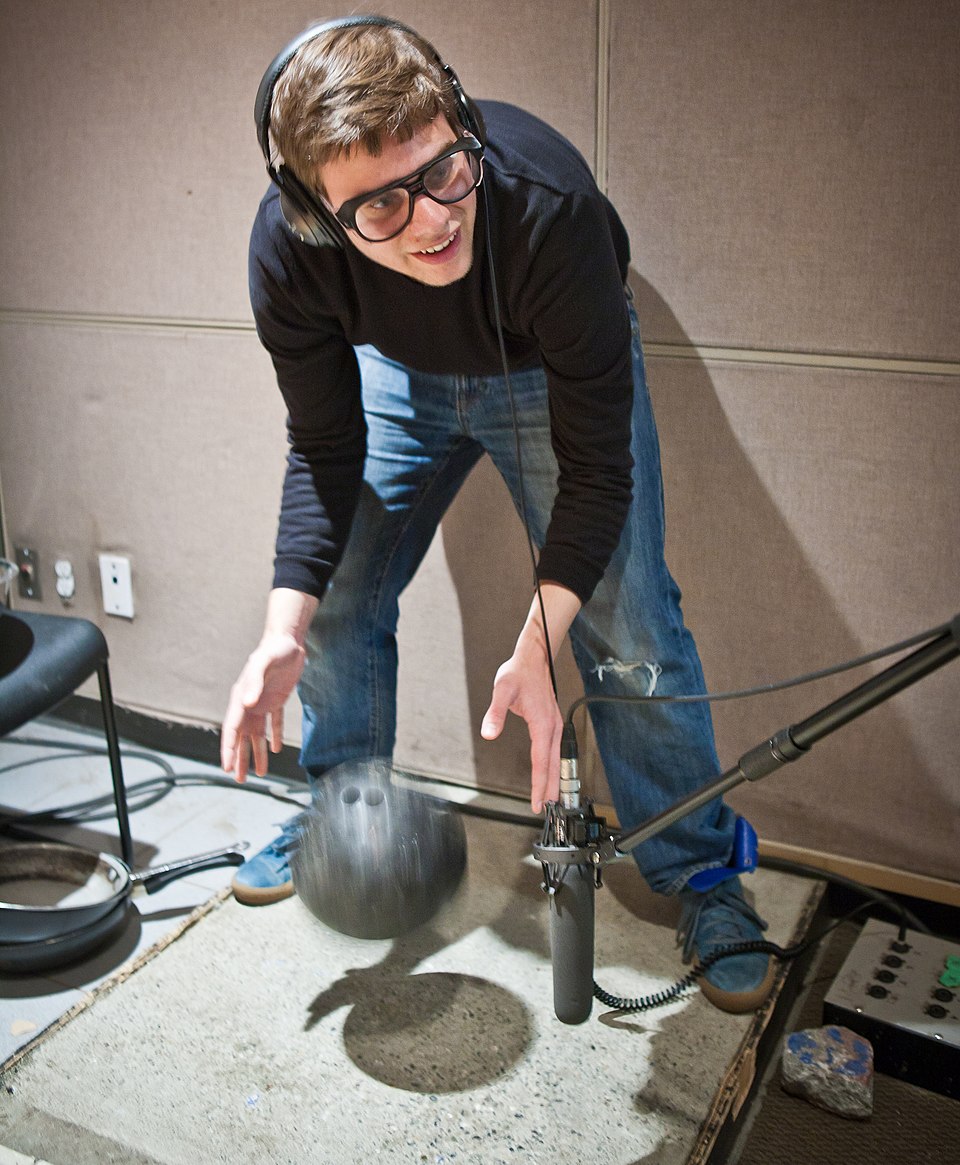
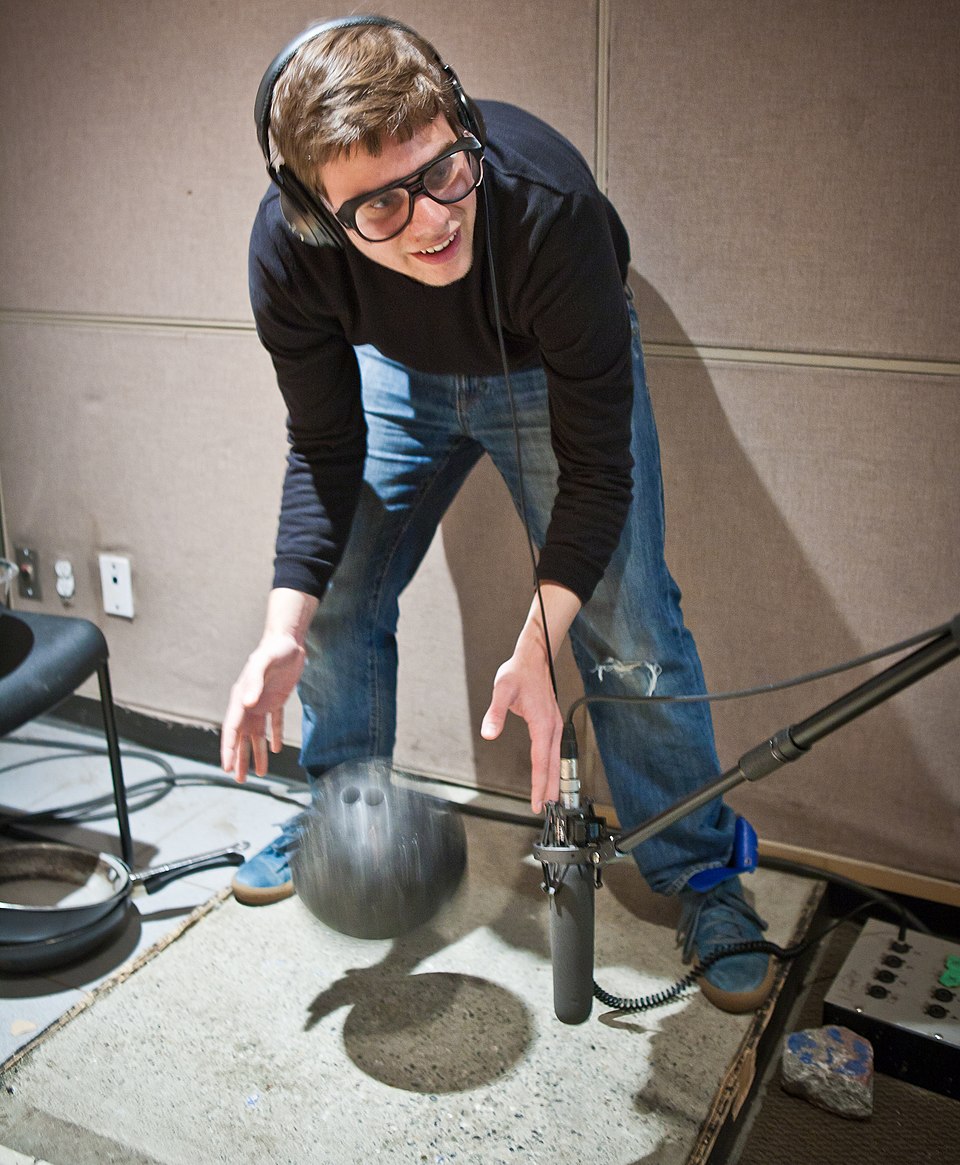
Foley is the process of recording everyday sounds in a studio to match the action on screen. Foley artists watch the movie on a large screen and perform the sounds live, perfectly timed to what they see. If a character walks across a gravel path, the Foley artist walks on a tray of real gravel. If someone pours a glass of water, the Foley artist pours actual water into a glass in front of a microphone.
Foley studios are filled with unusual collections of objects. Artists keep shelves of shoes for different footstep sounds, buckets of sand and gravel, old door hinges, leather jackets, and even vegetables like celery and cabbage. Snapping celery creates a convincing sound of breaking bones, while twisting a leather jacket can sound like a saddle creaking. The creativity involved is impressive, because the goal is not to use the real object but to find whatever sounds most convincing through a microphone and speakers.
Sound Design
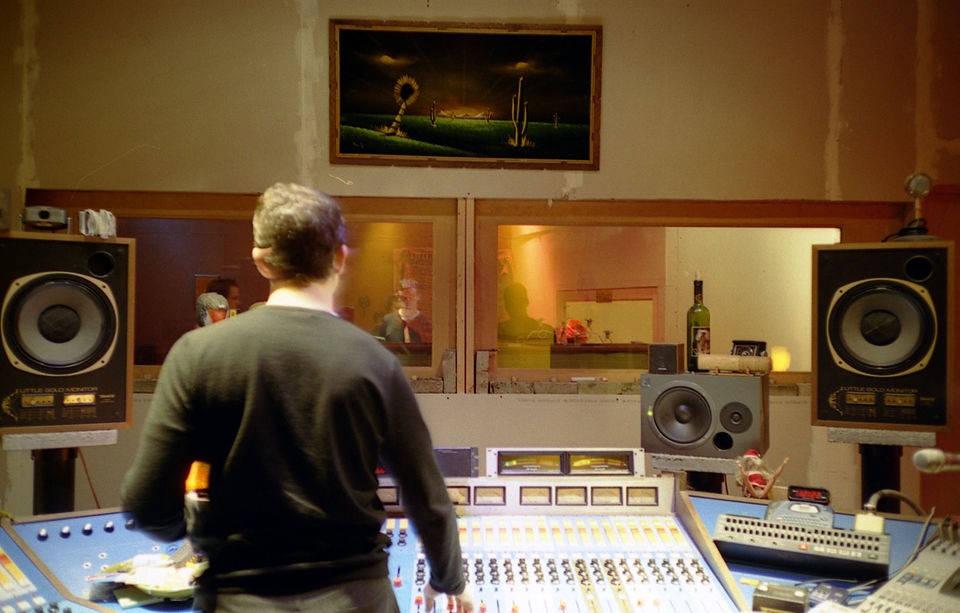
While Foley artists focus on everyday sounds tied to specific actions, sound designers create the bigger, more dramatic audio elements of a film. They build sounds that do not exist in real life, like the roar of a fictional monster, the hum of a lightsaber, or the rumble of an alien spacecraft. Sound designers often combine and layer multiple real-world recordings to create something entirely new.
Ben Burtt, the sound designer for Star Wars, created the lightsaber sound by recording the hum of an old film projector motor and blending it with the interference buzz from a television set. The voice of the Wookiee character Chewbacca was made by combining recordings of bears, walruses, lions, and badgers. These creative combinations show how sound designers are part scientist, part artist, and part detective, always searching for the perfect raw material to shape into movie magic.
ADR: Replacing Dialogue
Automated Dialogue Replacement, or ADR, is the process of re-recording an actor’s dialogue in a studio after filming is complete. Sometimes the audio captured on set is unusable because of background noise like wind, traffic, or construction. Other times, the director wants a different delivery of a line or the script has been changed.
During ADR, actors watch their scenes on a screen and speak their lines into a microphone, carefully matching the timing and lip movements of their on-screen performance. This process can be challenging because the actor must recreate the emotion and energy of the original scene in a quiet studio, sometimes months after the film was shot. Nearly every major film includes at least some ADR, even if audiences never realize that what they are hearing was recorded separately from what they are seeing.
The History of Movie Sound
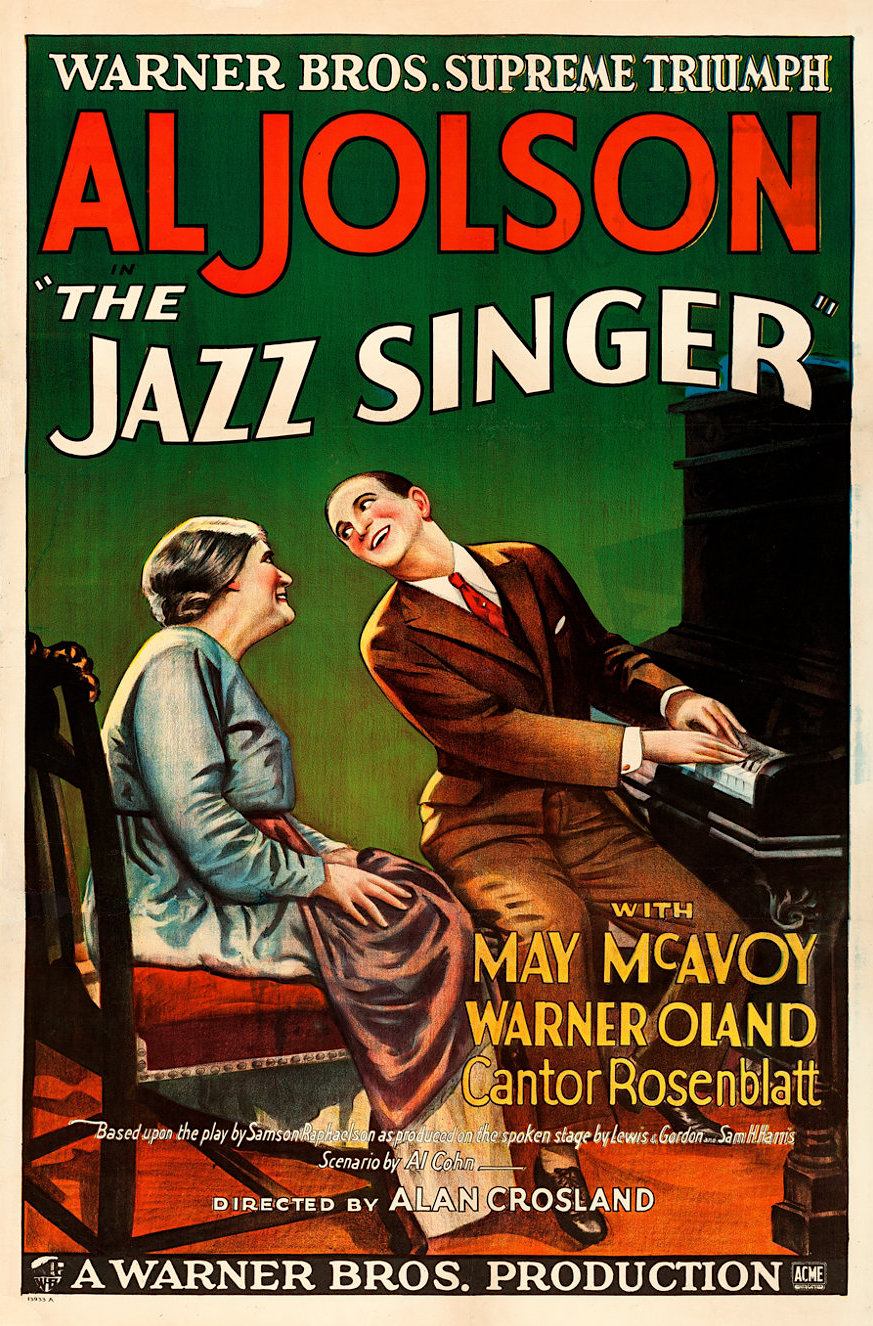
The earliest movies were completely silent. Theaters hired piano players or small orchestras to play live music during screenings, and sound effects were sometimes created live by stagehands behind the screen. Everything changed in 1927 when The Jazz Singer became the first major feature film with synchronized sound, and audiences were amazed to hear actors speak on screen for the first time.
Jack Foley, who worked at Universal Studios starting in the late 1920s, pioneered the art of adding sound effects to films after they were shot. He would watch a scene and perform the sounds live while the film was being recorded to a soundtrack. His techniques were so effective that the entire craft of live sound effect performance was named after him. The profession of Foley artistry continues to use many of the same basic principles he developed nearly a century ago.
Famous Sound Effects
Some movie sound effects have become so iconic that they are instantly recognizable. The Wilhelm scream is a stock sound effect of a man screaming that has been used in over 400 films and television shows since it was first recorded in 1951 for the movie Distant Drums. Directors and sound editors began including it as an inside joke, and you can hear it in films from Star Wars to The Lord of the Rings to many Pixar movies.
The Tyrannosaurus rex roar in Jurassic Park was created by sound designer Gary Rydstrom, who combined recordings of a baby elephant, an alligator, and a tiger. The terrifying velociraptor sounds came from recordings of tortoises, horses, and geese. These examples show how the most memorable movie sounds are often creative combinations of unexpected sources that audiences would never guess.
Digital vs. Practical Sound
Modern movies use both practical sound effects, created physically by Foley artists and field recordists, and digital sound effects, created or modified using computer software. Digital tools allow sound designers to stretch, pitch-shift, layer, and transform sounds in ways that would be impossible with physical recording alone. A single recording of a thunderclap can be slowed down, deepened, and combined with other elements to become the footstep of a giant.
However, practical Foley work remains essential because digitally generated sounds often lack the subtle imperfections and natural qualities that make audio feel real. Most films use a combination of both approaches. A sound editor might start with a Foley recording of footsteps on concrete, then use digital tools to add reverb that makes it sound like the character is walking through a huge empty warehouse. The blend of practical and digital techniques gives modern films their rich, layered soundscapes.
 OtterKnow Kids Encyclopedia