Marionettes on the Big Screen
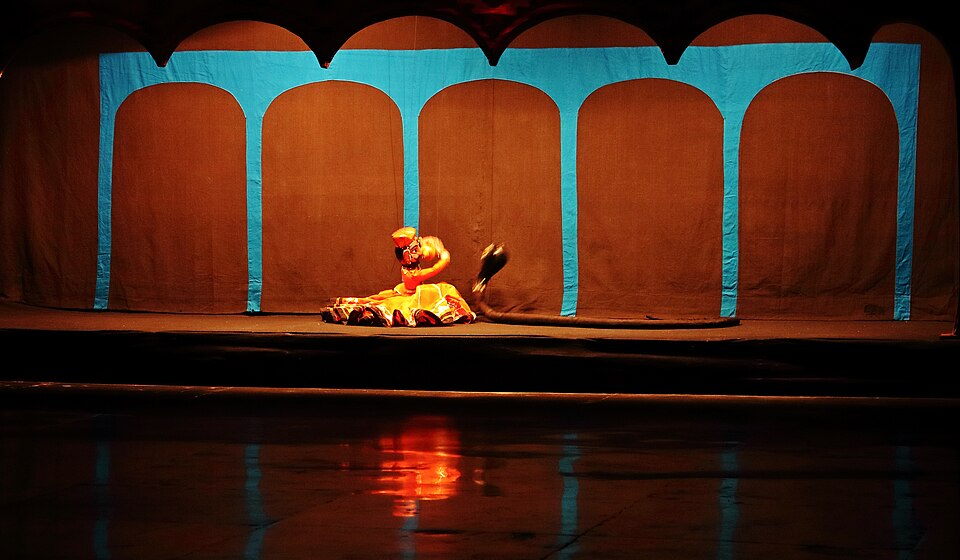
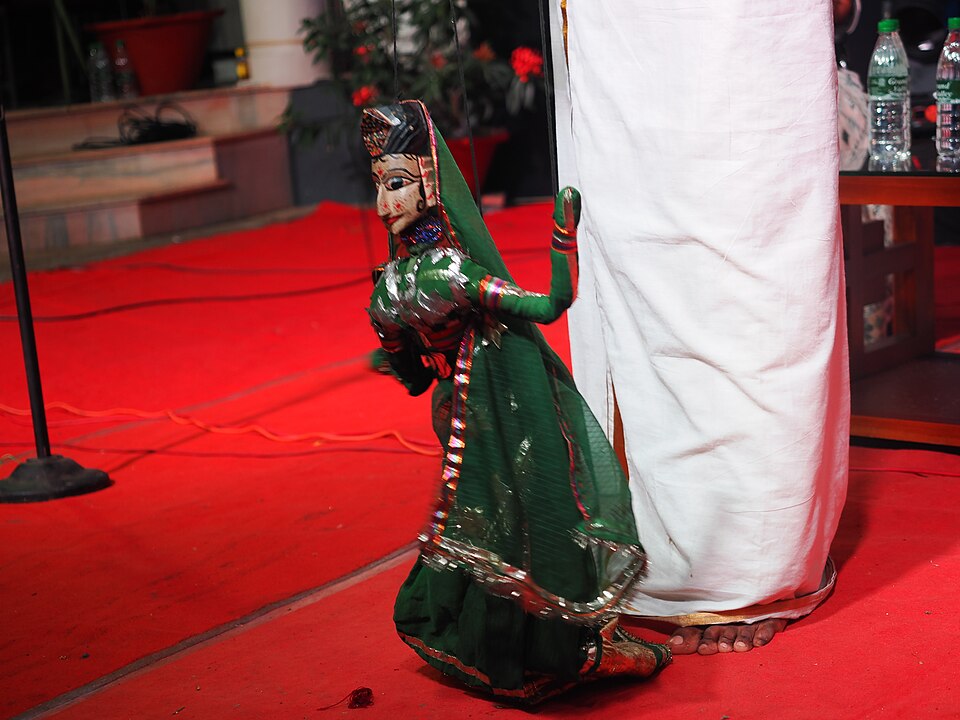
Marionettes are puppets controlled from above by strings or wires attached to a wooden crossbar. They are among the oldest types of puppets, with a history stretching back thousands of years. In film, marionettes appeared in early movies and have continued to fascinate audiences. The 2004 film Team America: World Police used marionettes for its entire cast, showing how string puppets could carry a full-length feature film. Marionettes require incredible skill to operate because the puppeteer must coordinate many strings at once to make the puppet walk, gesture, and move naturally.
Hand Puppets and Rod Puppets
Hand puppets are worn over the puppeteer’s hand like a glove, with the puppeteer’s fingers controlling the mouth and head movements. Rod puppets are similar but have thin rods attached to the arms, allowing for more expressive gestures. Most of Jim Henson’s Muppet characters combine both techniques, with one hand inside the head and rods controlling the arms. This design lets puppeteers create remarkably lifelike performances. In films like The Muppet Christmas Carol and Muppets Most Wanted, dozens of puppeteers work together below the camera frame, often lying on their backs or crouching in uncomfortable positions for hours to bring the characters to life.
Animatronics in Film
Animatronics are mechanical puppets powered by motors, cables, and sometimes computers. They can perform movements that would be impossible for a human puppeteer to achieve by hand. The 1993 film Jurassic Park used life-sized animatronic dinosaurs built by special effects artist Stan Winston, and some of these models weighed over 9,000 pounds. E.T. the Extra-Terrestrial featured an animatronic character so expressive that audiences felt genuine emotion watching it. Jim Henson’s Creature Shop, founded in 1979, became a leader in combining traditional puppetry with animatronic technology for films like Labyrinth and The Dark Crystal.
The History of Puppets in Film
Puppets appeared in some of the earliest films ever made. In the early 1900s, filmmakers discovered that puppets and stop-motion techniques could create magical effects that amazed audiences. The 1982 film The Dark Crystal was a landmark achievement because it featured an entire world populated only by puppets, with no human actors visible on screen. Frank Oz, who performed Miss Piggy, Fozzie Bear, and Yoda from Star Wars, helped prove that puppet characters could be taken just as seriously as human actors. Yoda, first appearing in The Empire Strikes Back in 1980, became one of the most iconic characters in movie history, and he was originally a hand puppet operated by Oz.
Modern Puppetry in Movies
Even in an era dominated by computer-generated imagery, puppetry continues to thrive in filmmaking. Directors often choose practical puppets because they give actors something real to interact with on set, which leads to more convincing performances. The 2019 Netflix series The Dark Crystal: Age of Resistance used entirely puppet characters, proving that audiences still love the handmade quality of puppetry. Filmmakers like Guillermo del Toro have praised practical puppet effects for their warmth and texture. Many modern films use a blend of puppetry and digital effects, starting with a real puppet on set and then enhancing it with computers in post-production.
Why Puppetry Matters
Puppetry in film is a unique art form that combines sculpture, engineering, acting, and storytelling. Every puppet starts as a design on paper, then gets built by skilled craftspeople who shape foam, fabric, and mechanical parts into a character. The puppeteer then brings that character to life through movement and voice, creating a performance that can be just as moving as any human actor’s work. Learning about puppetry helps us appreciate the enormous creativity and teamwork behind the movies we love, and it shows that some of the most powerful storytelling tools are ones we can hold in our hands.
 OtterKnow Kids Encyclopedia