The Three-Act Structure
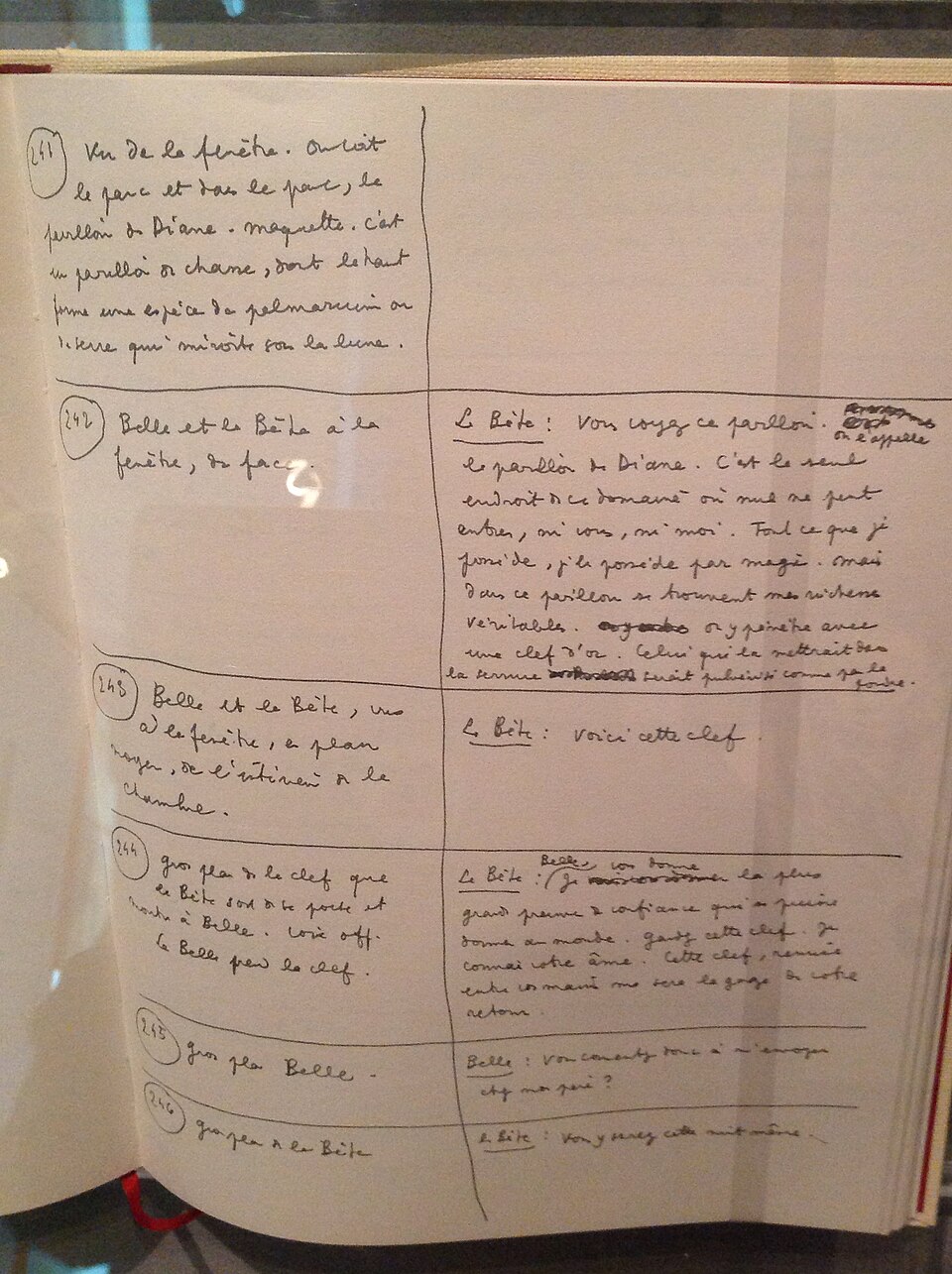
Most movies follow a pattern called the three-act structure, which divides the story into three main parts. The first act is the setup, where you meet the characters, learn about their world, and discover the problem they will face. The second act is the confrontation, the longest part, where the characters struggle with obstacles and the tension builds higher and higher. The third act is the resolution, where the main conflict is finally resolved and the story comes to a satisfying conclusion.
The Hero’s Journey
The scholar Joseph Campbell studied myths and legends from cultures around the world and discovered that many of them follow a similar pattern he called the hero’s journey. In this pattern, an ordinary person is called to adventure, faces difficult challenges, and returns home transformed by the experience. George Lucas used Campbell’s hero’s journey as the framework for Star Wars, with Luke Skywalker following the pattern almost exactly. Many beloved films, from The Lion King to Harry Potter, follow this same storytelling structure because it connects with something deep inside all of us.
Characters and Dialogue
Great characters are the heart of any story, and screenwriters spend a lot of time figuring out what makes their characters tick. A character arc is the way a character changes over the course of a story — they might start out selfish and learn to be generous, or begin as fearful and find their courage. Writing good dialogue means making each character sound unique, so the audience can tell who is speaking just by the words they use. One of the most important rules in screenwriting is “show, don’t tell” — instead of having a character say they are brave, show them doing something brave.
From Script to Screen
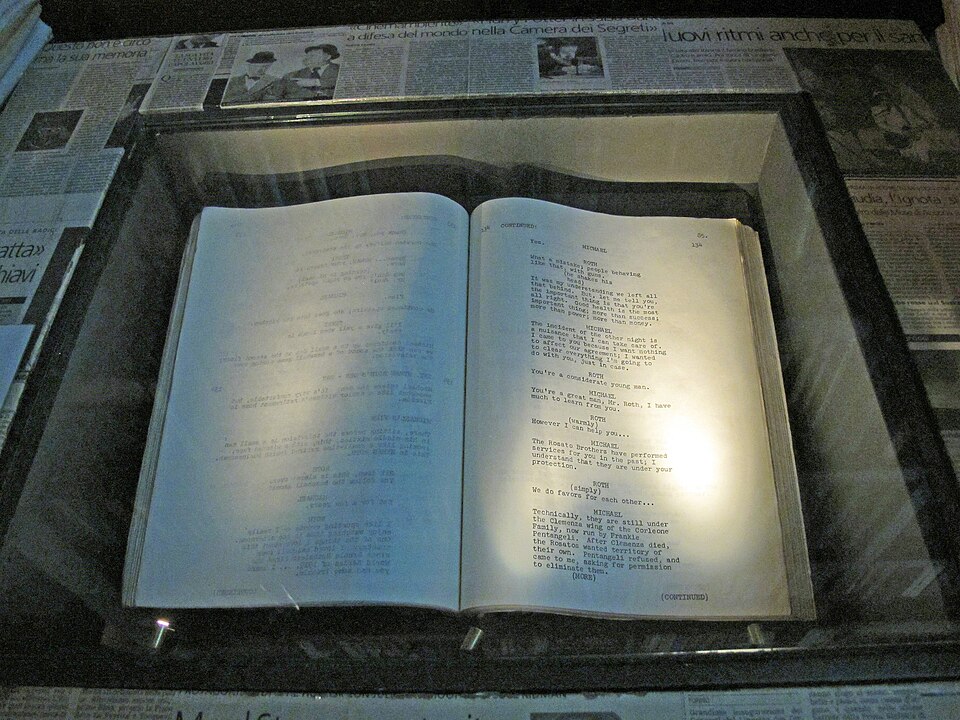
Before a screenplay becomes a movie, it goes through a process called storyboarding, where artists draw out each scene in a series of panels that look like a comic strip. Storyboards help the director and crew plan camera angles, character positions, and the flow of the story before a single frame is filmed. Pixar Animation Studios is famous for spending years refining their stories through storyboards before any animation begins. Whether you want to write blockbuster movies or simply craft better stories for school, understanding screenwriting gives you powerful tools for bringing ideas to life.
 OtterKnow Kids Encyclopedia