The History of Voice Acting
Voice acting has its roots in radio, which became a major form of entertainment in the 1920s and 1930s. Before television existed, families gathered around their radios to listen to dramas, comedies, and adventure serials. Actors performed entire stories live, using only their voices and sound effects to create vivid worlds in the listener’s imagination. Shows like The Shadow and The Lone Ranger made radio actors some of the most recognized voices in America.
When animated cartoons became popular in theaters and later on television, studios needed talented voice performers to bring their characters to life. Mel Blanc became one of the first famous voice actors, performing the voices of Bugs Bunny, Daffy Duck, Porky Pig, Tweety Bird, and many other Warner Bros. characters. He was so versatile that he was nicknamed “The Man of a Thousand Voices,” and he voiced nearly every major character in the Looney Tunes cartoons for decades.
Voice Acting in Animation
Animated movies and television shows are one of the biggest areas of voice acting. Every character you hear in a Pixar, Disney, or DreamWorks film is performed by a voice actor in a recording studio. Sometimes famous movie stars provide voices for animated characters — for example, Tom Hanks voices Woody in the Toy Story series, and Eddie Murphy voiced Donkey in Shrek. Other times, professional voice actors who specialize in animation take on the roles.
In animation, a single performer often plays multiple characters. Tara Strong, one of the most prolific voice actors in the industry, has voiced characters including Timmy Turner in The Fairly OddParents, Bubbles in The Powerpuff Girls, and many others. Voice actors must be able to switch between completely different-sounding characters, sometimes within the same recording session.
Voice Acting in Video Games
Video games have become one of the fastest-growing areas for voice actors. Modern games can have hundreds of characters who speak, and some games contain more recorded dialogue than a feature film. Game voice actors must be able to perform intense action scenes, emotional conversations, and sometimes hours of background chatter for characters that populate a game’s world.
Unlike animated films, where scenes are recorded in a set order, video game voice actors often record lines without knowing the full context of the story. They might record dozens of variations of the same line — saying it happily, angrily, or fearfully — so game designers can use the right version depending on what happens during gameplay.
Audiobooks and Narration
Audiobook narration is another important branch of voice acting. Narrators must read an entire book out loud, often performing different voices for each character while maintaining a consistent storytelling voice for many hours. A single audiobook can take 20 to 40 hours of studio time to record. Popular audiobook narrators develop dedicated followings, and a great narrator can make a book come alive in ways that reading on the page cannot.
Voice actors also narrate documentaries, museum exhibits, educational videos, and the announcements you hear in airports, trains, and phone systems. These jobs require clear pronunciation and a pleasant, easy-to-understand voice.
Inside the Recording Studio
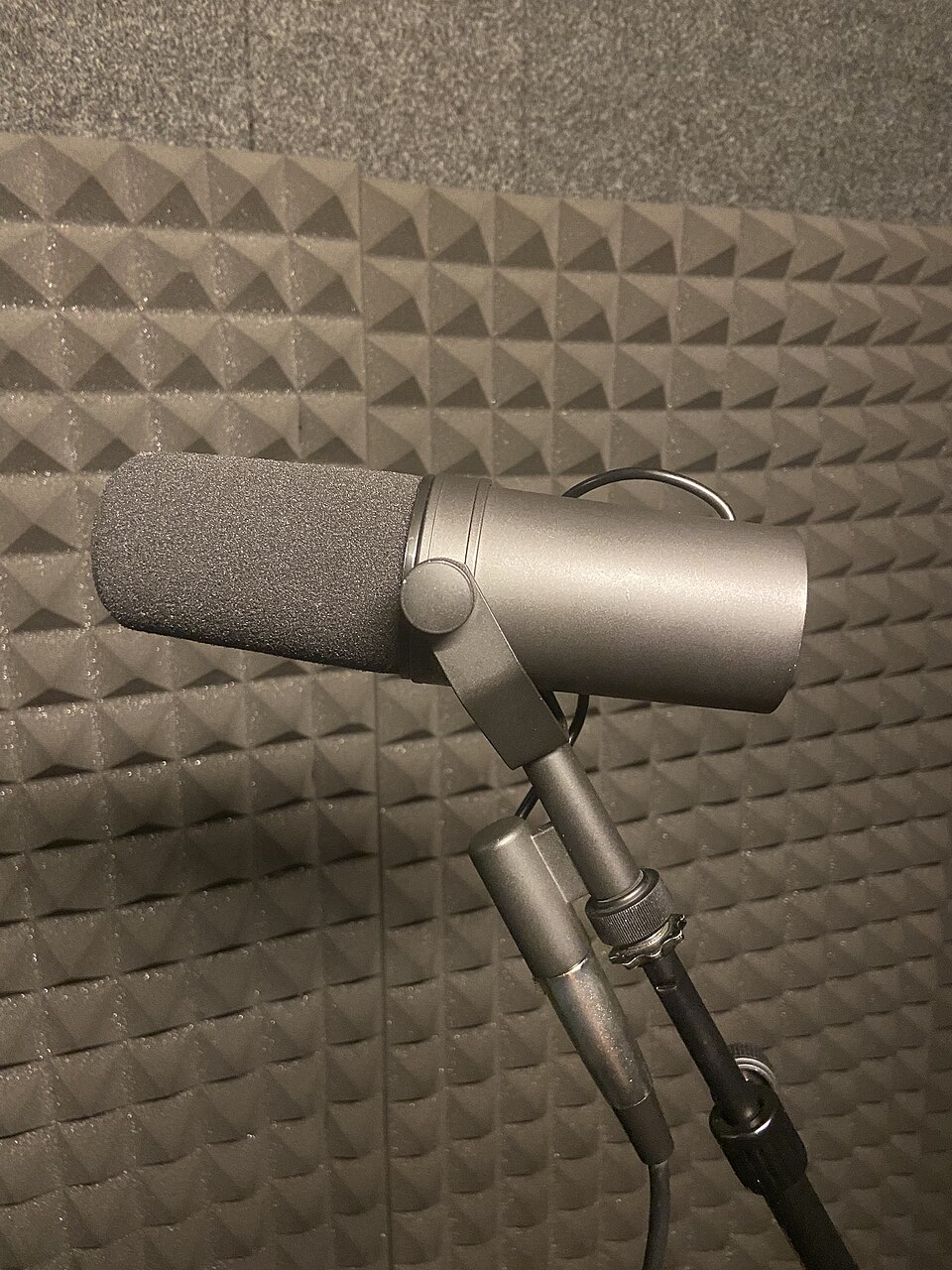
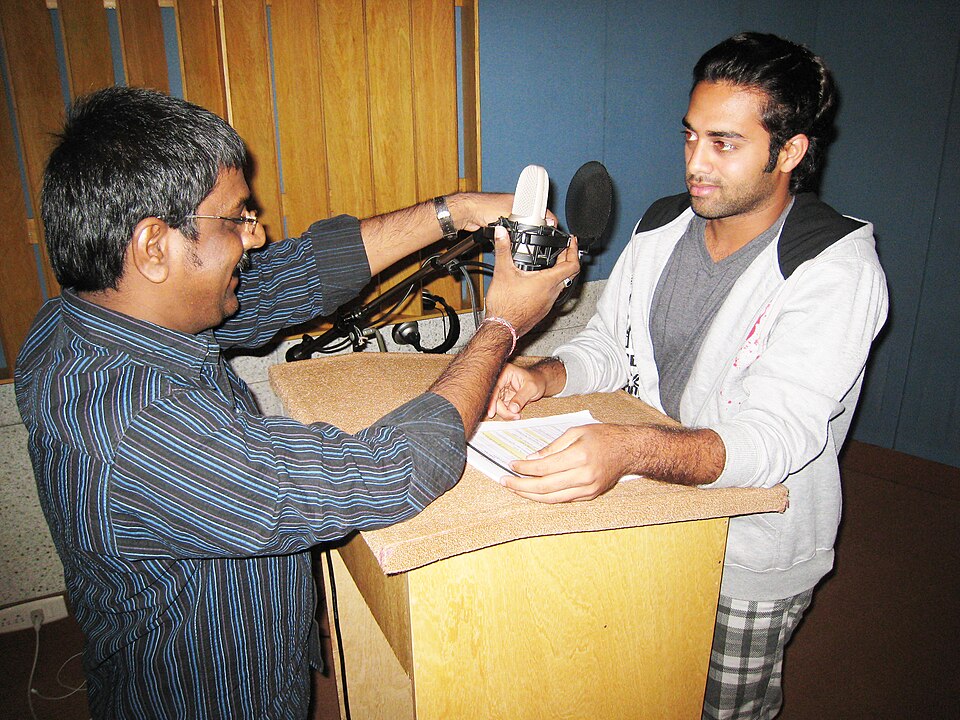
Voice actors work in soundproof recording studios designed to block all outside noise. The actor stands or sits in front of a high-quality microphone, often surrounded by sound-absorbing foam panels on the walls. A glass window separates the actor from the control room, where a sound engineer and a director listen and guide the performance.
During a recording session, the voice actor reads lines from a script, sometimes while watching the animation on a monitor to match the timing of a character’s mouth movements. This process of matching voice to animation is called “lip sync.” Directors may ask actors to perform the same line many different ways, adjusting the emotion, speed, or energy until it fits the character perfectly. A typical recording session for an animated film can last three to four hours.
Famous Voice Actors
Many voice actors have had long and impressive careers, even though most people would not recognize their faces. Frank Welker holds the record for the most voice acting credits in history, with over 800 roles including Fred Jones and Scooby-Doo in the Scooby-Doo franchise and the curious monkey in Curious George. Nancy Cartwright has voiced Bart Simpson on The Simpsons since the show began in 1989, making it one of the longest-running voice performances in television history.
In recent decades, it has become common for Hollywood celebrities to voice animated characters in major films. Robin Williams brought the Genie to life in Aladdin with his improvisational comedy, setting a trend of casting well-known actors in animated roles. Today, animated blockbusters regularly feature the voices of famous actors alongside veteran voice performers.
Fun Facts
- Mel Blanc’s tombstone reads “That’s All Folks!” — the famous line he voiced as Porky Pig at the end of Looney Tunes cartoons.
- Wayne Allwine, who voiced Mickey Mouse from 1977 to 2009, was married to Russi Taylor, who voiced Minnie Mouse. They were a real-life couple voicing a famous cartoon couple.
- Frank Welker has been performing voice work since 1969 and has more than 800 credits to his name, making him one of the most prolific actors of any kind in entertainment history.
- Some video games contain over 100,000 lines of recorded dialogue, requiring months of voice recording sessions.
- Before recording technology existed, voice performers in radio dramas acted live, with no chance to redo mistakes.
 OtterKnow Kids Encyclopedia