Music of Asia
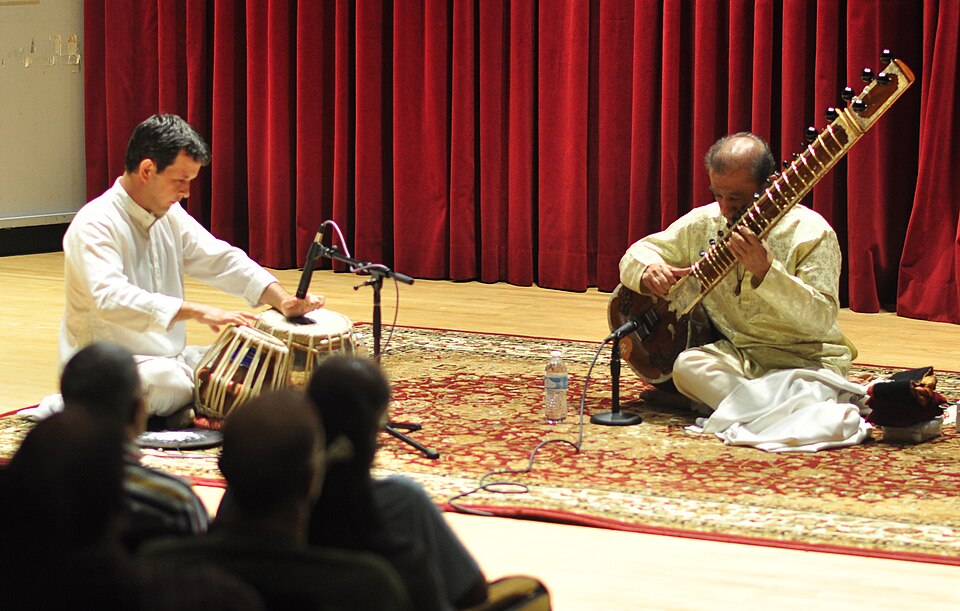
India’s classical music tradition stretches back thousands of years and features instruments like the sitar, a stringed instrument with a distinctive buzzing tone, and the tabla, a pair of hand drums. In Bali, Indonesia, gamelan orchestras create shimmering, complex music using ensembles of bronze gongs, metallophones, and drums played by dozens of musicians at once. Japanese music has its own unique instruments, including the koto, a long stringed instrument plucked with picks, and the shakuhachi, a bamboo flute. Tuvan throat singing, from the region of Tuva in central Asia, is a technique where a single singer produces two or more musical tones at the same time.
Music of Africa
Africa is home to an incredibly rich variety of musical traditions, with drumming at the heart of many of them. In West Africa, master drummers use instruments like the djembe to communicate messages, accompany dances, and mark important community events. The rhythms of African music are complex and layered, often featuring polyrhythms where multiple rhythmic patterns are played simultaneously. African musical traditions traveled across the Atlantic during the slave trade and became the foundation for blues, jazz, rock, and hip-hop in the Americas.
Music of the Americas and Europe
In the Caribbean, steel drums were invented in Trinidad and Tobago using discarded oil barrels, turning recycled metal into one of the most joyful-sounding instruments in the world. Flamenco, from the Andalusia region of Spain, combines passionate guitar playing with handclaps, singing, and dance to express powerful emotions. Celtic music from Ireland and Scotland features lively fiddle tunes and the haunting sound of bagpipes. The didgeridoo, played by Aboriginal Australians, is one of the oldest instruments on Earth, with a history stretching back roughly 40,000 years.
Sharing Music Across Borders
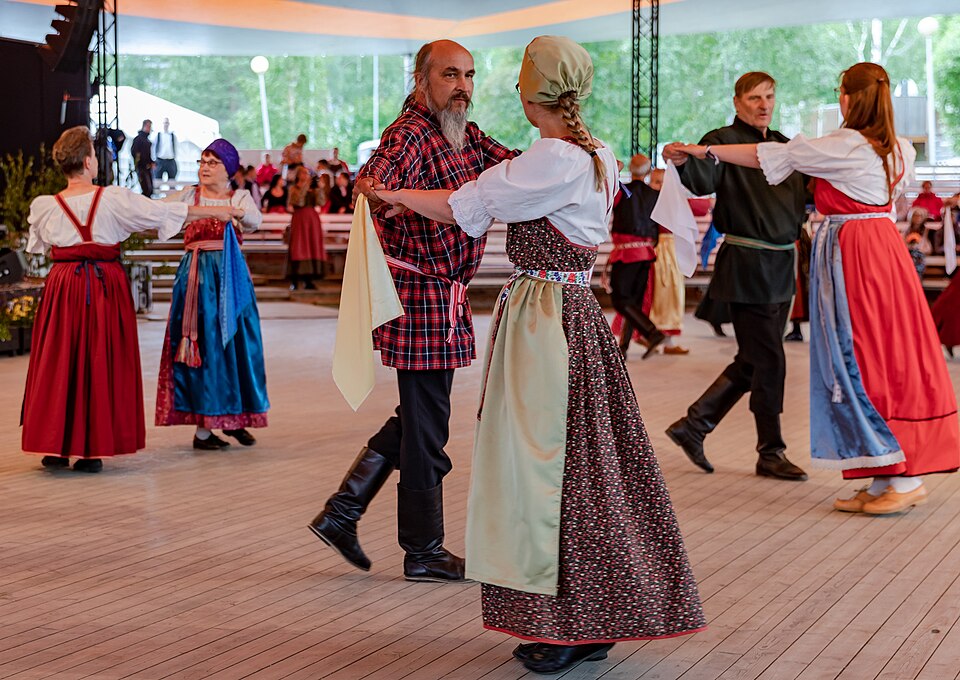
In today’s connected world, music from one part of the globe can reach listeners everywhere almost instantly. Musicians increasingly blend traditions from different cultures, creating exciting new sounds that belong to no single country. World music festivals bring together performers from dozens of nations, allowing audiences to hear many different musical traditions in one place. By listening to music from other cultures, you can learn about the values, stories, and celebrations of people whose lives may be very different from your own.
 OtterKnow Kids Encyclopedia