The String Family
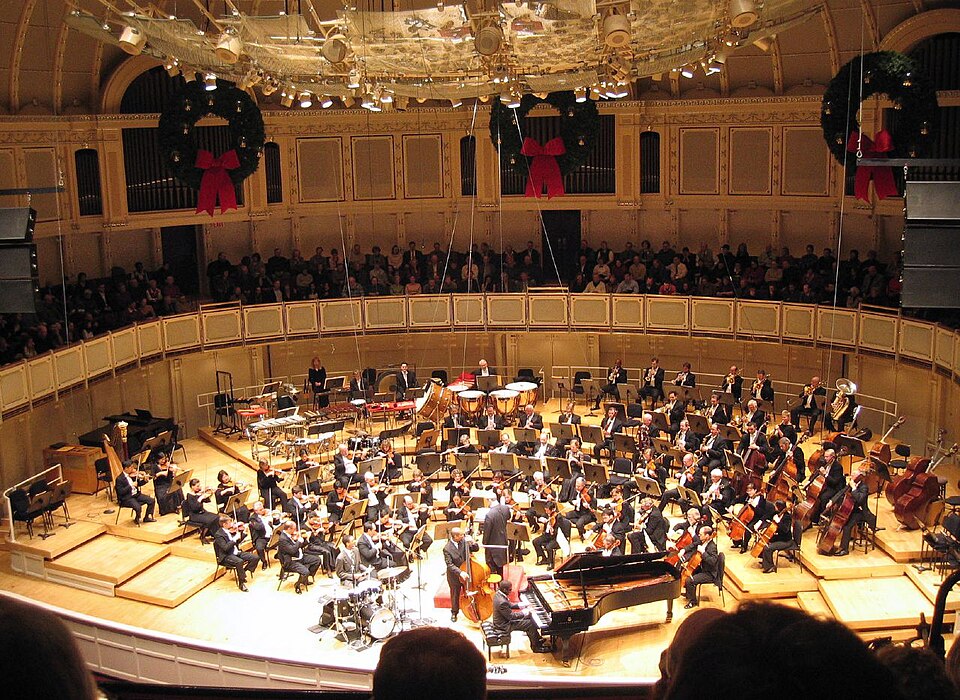
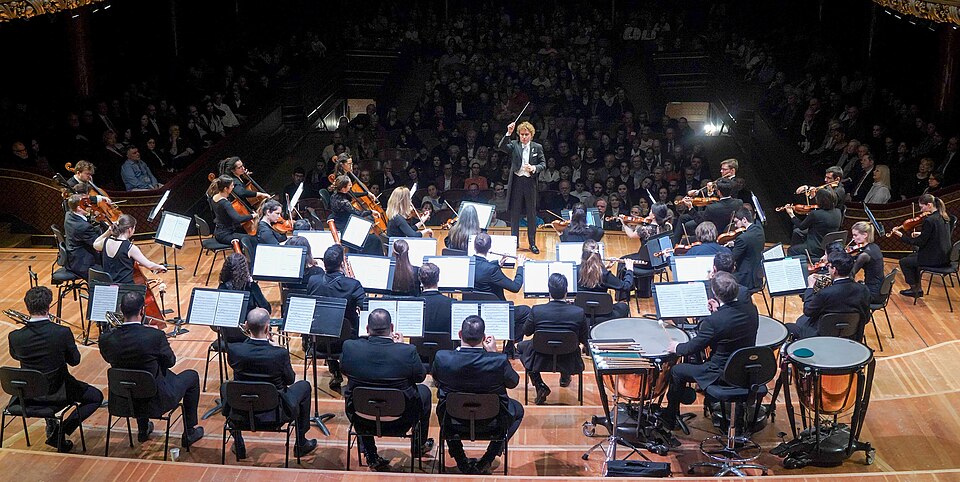
The string section is the largest part of the orchestra, making up more than half of all the musicians on stage. It includes violins, violas, cellos, and double basses. Players use a bow made of horsehair drawn across the strings to produce sound, though they sometimes pluck the strings with their fingers in a technique called pizzicato.
Violins are divided into two groups: first violins and second violins. The first violins often play the melody, while the second violins add harmony. Violas look like slightly larger violins and produce a deeper, warmer tone. Cellos rest on the floor between the player’s knees and have a rich, singing sound. Double basses are the largest and lowest-pitched string instruments, sometimes standing taller than the musicians who play them. The harp, with its 47 strings and seven foot pedals, also belongs to the string family and adds a shimmering quality to the orchestra’s sound.
The Woodwind Family
Woodwind instruments produce sound when a player blows air into or across them. Despite the name, not all woodwinds are made of wood today. Flutes are usually made of silver or other metals, and the player blows across a hole at one end. Clarinets and oboes use thin pieces of cane called reeds that vibrate when air passes over them. The bassoon is the largest common woodwind, with a tube so long it has to be folded in half.
Each woodwind has a distinct personality. Flutes sound bright and silvery. Oboes have a piercing, nasal quality that is often used to tune the orchestra before a performance. Clarinets can sound smooth and mellow or lively and playful. Bassoons add a deep, rich voice to the woodwind section. A typical orchestra has two to four of each woodwind instrument.
The Brass Family
Brass instruments are made of metal tubing that is coiled into different shapes. Players buzz their lips into a cup-shaped mouthpiece to create sound, and they change notes by pressing valves or moving a slide. The brass section includes trumpets, French horns, trombones, and tubas.
Trumpets are the highest-pitched brass instruments and are known for their bright, bold sound. French horns have a warm, mellow tone and are shaped in a wide circle with a flared bell. Trombones use a sliding tube instead of valves to change pitch, giving them a smooth, powerful voice. Tubas are the largest and lowest brass instruments, providing the deep foundation of the brass section. When the full brass section plays together at full volume, it can be the loudest part of the entire orchestra.
The Percussion Family
Percussion instruments make sound when they are struck, shaken, or scraped. The most prominent percussion instrument in the orchestra is the timpani, a set of large copper kettledrums that can be tuned to specific pitches by adjusting pedals. A single timpanist might play four or five drums during a performance.
Other percussion instruments include the snare drum, bass drum, cymbals, triangle, xylophone, glockenspiel, and chimes. Some pieces also call for unusual instruments like the tambourine, castanets, or even a whip crack. Percussion players are often expected to switch between several instruments during a single piece. While the percussion section may be the smallest group in the orchestra, it adds rhythm, color, and drama that bring the music to life.
The Conductor
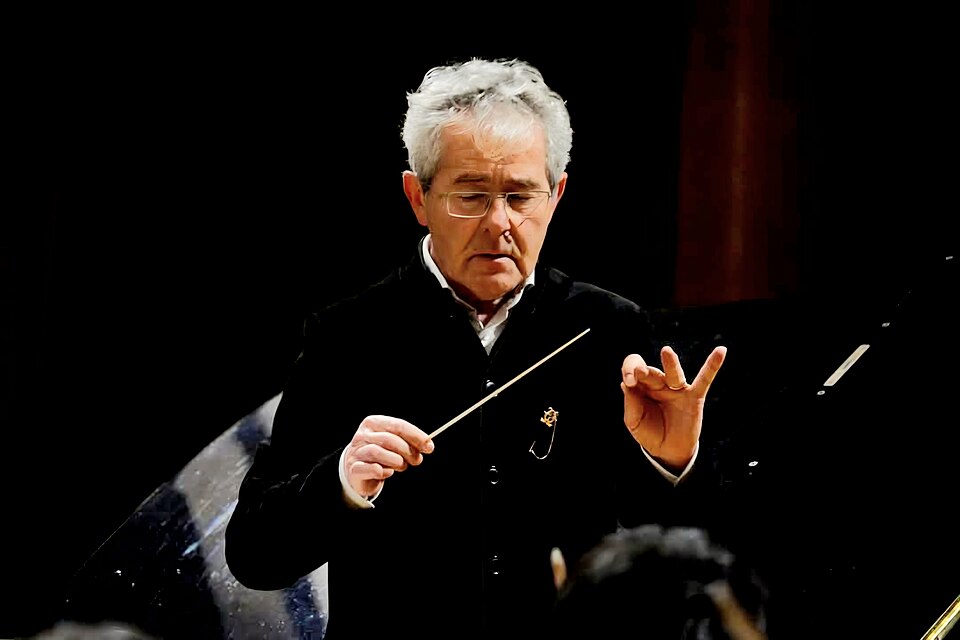
The conductor stands on a raised platform called a podium at the front of the orchestra, facing the musicians. Using a thin stick called a baton, the conductor sets the tempo, signals when different sections should enter, and shapes the dynamics of the music from soft to loud and everything in between.
Being a conductor requires deep knowledge of every instrument and every part in the score, which is the complete written music for all instruments combined. Before a concert, the conductor leads rehearsals where musicians practice together and work out how the music should be interpreted. Famous conductors like Leonard Bernstein, Herbert von Karajan, and Gustavo Dudamel have become celebrities in the music world, known for their unique styles and passionate performances.
History of the Orchestra
The orchestra as we know it began taking shape in Europe during the 1600s and 1700s. Early orchestras were small, with perhaps 20 to 30 players, and performed mainly in royal courts and churches. Composers like Johann Sebastian Bach and George Frideric Handel wrote music for these smaller groups.
During the Classical period in the late 1700s, composers like Wolfgang Amadeus Mozart and Joseph Haydn expanded the orchestra and established the symphony as a major musical form. Haydn is often called the “Father of the Symphony” because he wrote 104 of them and helped define what a symphony orchestra should look like.
In the 1800s, the Romantic period brought even larger orchestras. Ludwig van Beethoven wrote powerful, emotional symphonies that expanded what orchestras could do, composing his famous Ninth Symphony even after he had become completely deaf. Later composers like Gustav Mahler and Richard Strauss wrote works that required over 100 musicians. The modern symphony orchestra had arrived.
Famous Orchestras Today
Some of the world’s most celebrated orchestras have been performing for well over a century. The Vienna Philharmonic, founded in 1842, is known for its warm, distinctive sound. The Berlin Philharmonic is considered one of the finest orchestras in the world. In the United States, the New York Philharmonic has been performing since 1842, making it one of the oldest orchestras in the country. The Chicago Symphony Orchestra, the London Symphony Orchestra, and the Royal Concertgebouw Orchestra in Amsterdam are also among the most respected ensembles.
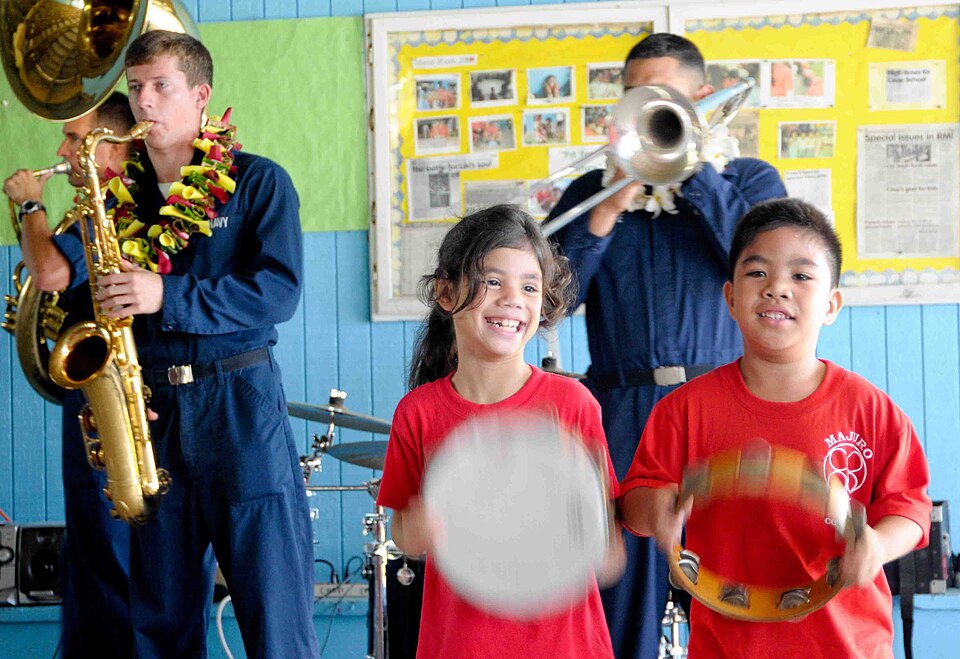
Many cities around the world have their own orchestras, and youth orchestras give young musicians a chance to experience playing in a large ensemble. Programs like El Sistema, which started in Venezuela, have brought orchestral music to hundreds of thousands of children who might not otherwise have had the opportunity to play an instrument.
 OtterKnow Kids Encyclopedia