Beat, Rhythm, and Meter
While people often use the words beat and rhythm interchangeably, they actually mean different things. The beat is the steady, unchanging pulse — think of it as the ticking of a clock that keeps everything in time. Rhythm is the pattern of notes that floats on top of the beat, sometimes landing right on it and sometimes falling between the beats. Meter organizes beats into groups, and the most common groupings are in twos, threes, and fours — a march has two strong beats, a waltz has three, and most pop songs have four.
Tempo and How We Measure It
Tempo is the speed of the beat, and it determines whether a piece of music feels fast, slow, or somewhere in between. Musicians measure tempo in beats per minute, or BPM — a tempo of 60 BPM means one beat every second, which happens to be about the same speed as a resting human heartbeat. The metronome, a device that clicks at a steady tempo, was patented in 1815 and has been helping musicians keep time ever since. Classical composers use Italian words to indicate tempo, including allegro for fast, andante for a walking pace, and presto for very fast.
Syncopation and Polyrhythm
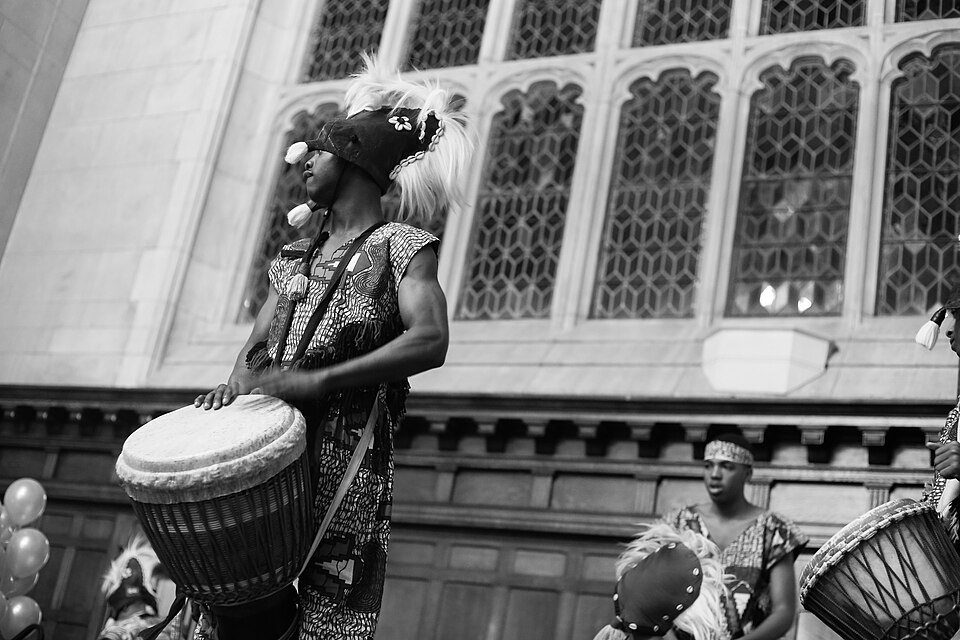
Syncopation is a rhythmic trick where the accent, or emphasis, falls on beats where you would not normally expect it, creating a sense of surprise and swing. Jazz music is famous for its use of syncopation, which gives it that toe-tapping, off-kilter groove that makes it so exciting to listen to. Polyrhythm is the technique of playing two or more different rhythmic patterns at the same time, and it is a hallmark of West African drumming traditions. Polyrhythms can sound complex, but they create a layered texture that makes the music feel alive and full of energy.
Rhythm in Your Life
Rhythm is not just something you find in music — it is woven into the world around you. Your heartbeat pulses at roughly 60 to 100 beats per minute, the seasons follow a yearly rhythm, and ocean waves crash on the shore in repeating patterns. Clapping games, jump rope rhymes, and even the way you walk all have rhythm built into them. Understanding rhythm and tempo can improve your musical skills, but it can also help you appreciate the natural patterns and pulses that fill everyday life.
 OtterKnow Kids Encyclopedia