Classical Music
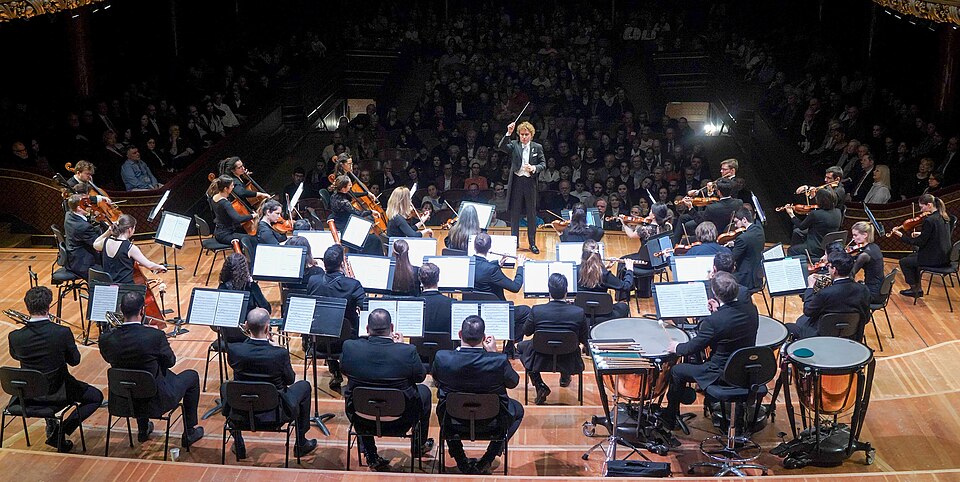
Classical music is one of the oldest genres still widely performed today. It includes music written from about the 1600s all the way to the present, and it is usually performed by orchestras, chamber groups, or solo instrumentalists. Composers like Johann Sebastian Bach, Wolfgang Amadeus Mozart, and Ludwig van Beethoven created works that are still performed in concert halls around the world. Classical music relies on written musical scores, and performers follow the notes precisely as the composer intended. A full symphony orchestra can include around 100 musicians playing strings, woodwinds, brass, and percussion instruments all together.
Jazz and Blues
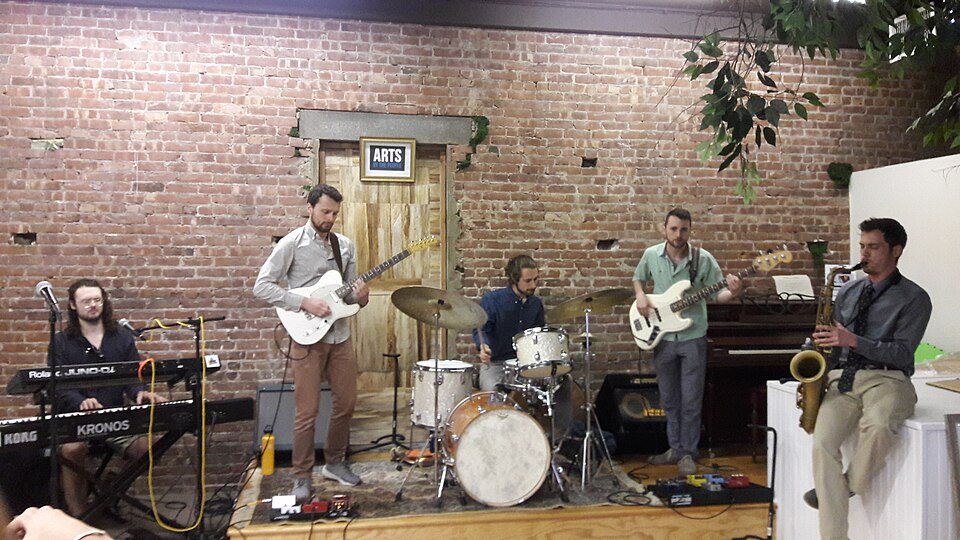
Jazz was born in New Orleans in the early 1900s, growing out of African American musical traditions that blended blues, ragtime, and gospel. One of the most exciting things about jazz is improvisation, which means musicians make up parts of the music right on the spot during a performance. The blues, which also came from African American communities in the American South, expresses deep emotions through simple chord patterns and soulful singing. Both jazz and blues became the foundation for many other genres, including rock and roll and rhythm and blues. Famous jazz musicians include Louis Armstrong, Duke Ellington, and Ella Fitzgerald.
Rock and Pop
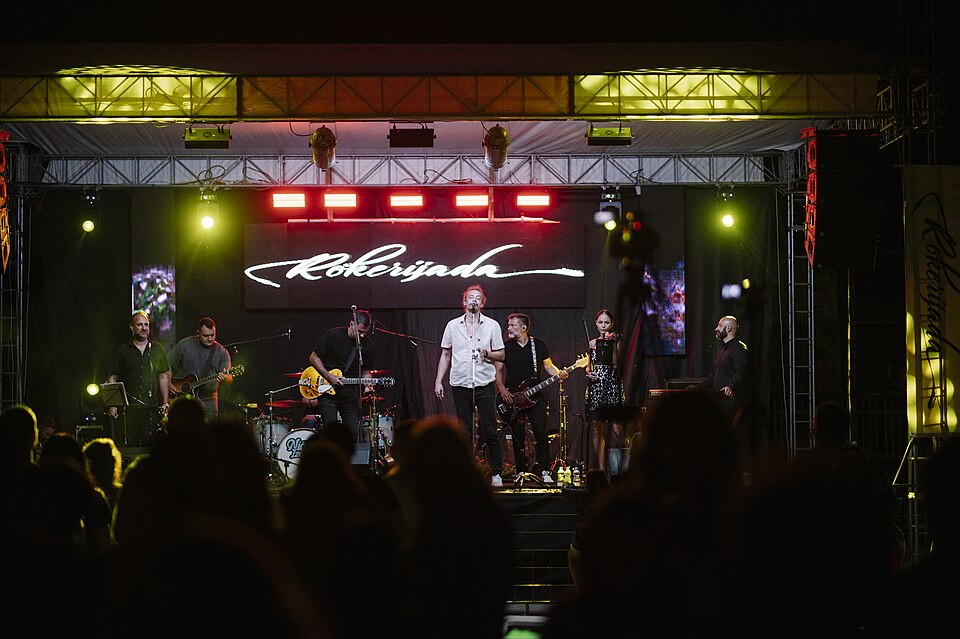
Rock and roll burst onto the scene in the 1950s, combining blues rhythms with electric guitars and a powerful backbeat. Early rock pioneers like Chuck Berry and Little Richard created a sound that was exciting, rebellious, and completely new. Over the decades, rock split into many sub-genres including punk, metal, alternative, and indie rock. Pop music, short for popular music, is designed to appeal to the widest possible audience with catchy melodies and memorable hooks. Pop and rock continue to be among the most listened-to genres in the world, constantly evolving with new artists and trends.
Hip-Hop and Rap
Hip-hop emerged in the 1970s in New York City, where DJs began spinning records and creating beats while MCs rapped rhythmic poetry over the music. It started as a local street culture in neighborhoods like the Bronx and quickly grew into one of the most influential genres on the planet. Hip-hop is more than just music — it includes DJing, rapping, breakdancing, and graffiti art. Today, hip-hop shapes fashion, language, and culture around the world. Artists use rap to tell stories, express their views, and share their experiences with millions of listeners.
Country and Folk
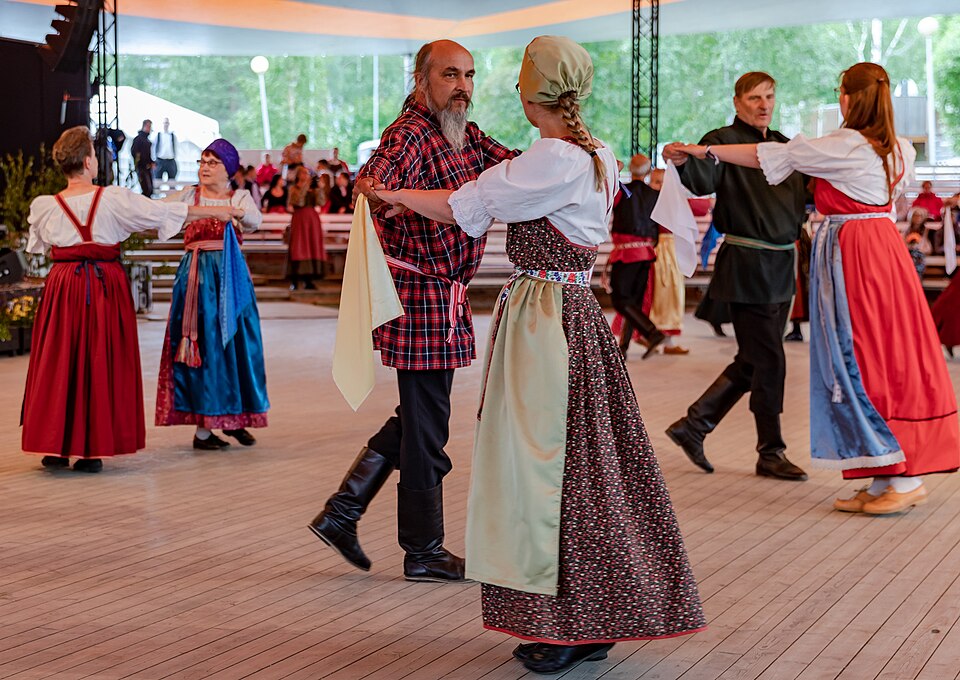
Country music grew out of folk traditions in the rural American South and Appalachian region, telling stories of everyday life with acoustic guitars, fiddles, banjos, and heartfelt vocals. Folk music is the broader tradition of songs passed down through generations within a community, often telling stories of history, work, and love. Nashville, Tennessee became the center of the country music world, earning the nickname “Music City.” Both country and folk music value storytelling and connect listeners to the experiences of ordinary people and the places they call home.
Electronic and World Music
Electronic music uses synthesizers, drum machines, and computers to create sounds that no traditional instrument can produce. It powers dance floors in clubs around the world and also appears in film scores, video game soundtracks, and experimental art projects. World music is a broad term for traditional and contemporary music from cultures across the globe, including African drumming, Indian classical ragas, Latin American salsa, and many more styles. Exploring world music reveals that every culture has developed its own unique musical traditions, instruments, and rhythms that reflect its history and values.
How Music Connects Us
Genres influence and blend into each other across borders and generations. The blues inspired rock and roll, which inspired punk, while jazz rhythms and sampling helped create hip-hop. Musicians constantly borrow ideas from different traditions to create fresh sounds, which is why genre boundaries are always shifting and overlapping. No matter where you are in the world or what language you speak, music has the power to bring people together, express emotions that words alone cannot capture, and help us understand cultures different from our own.
 OtterKnow Kids Encyclopedia