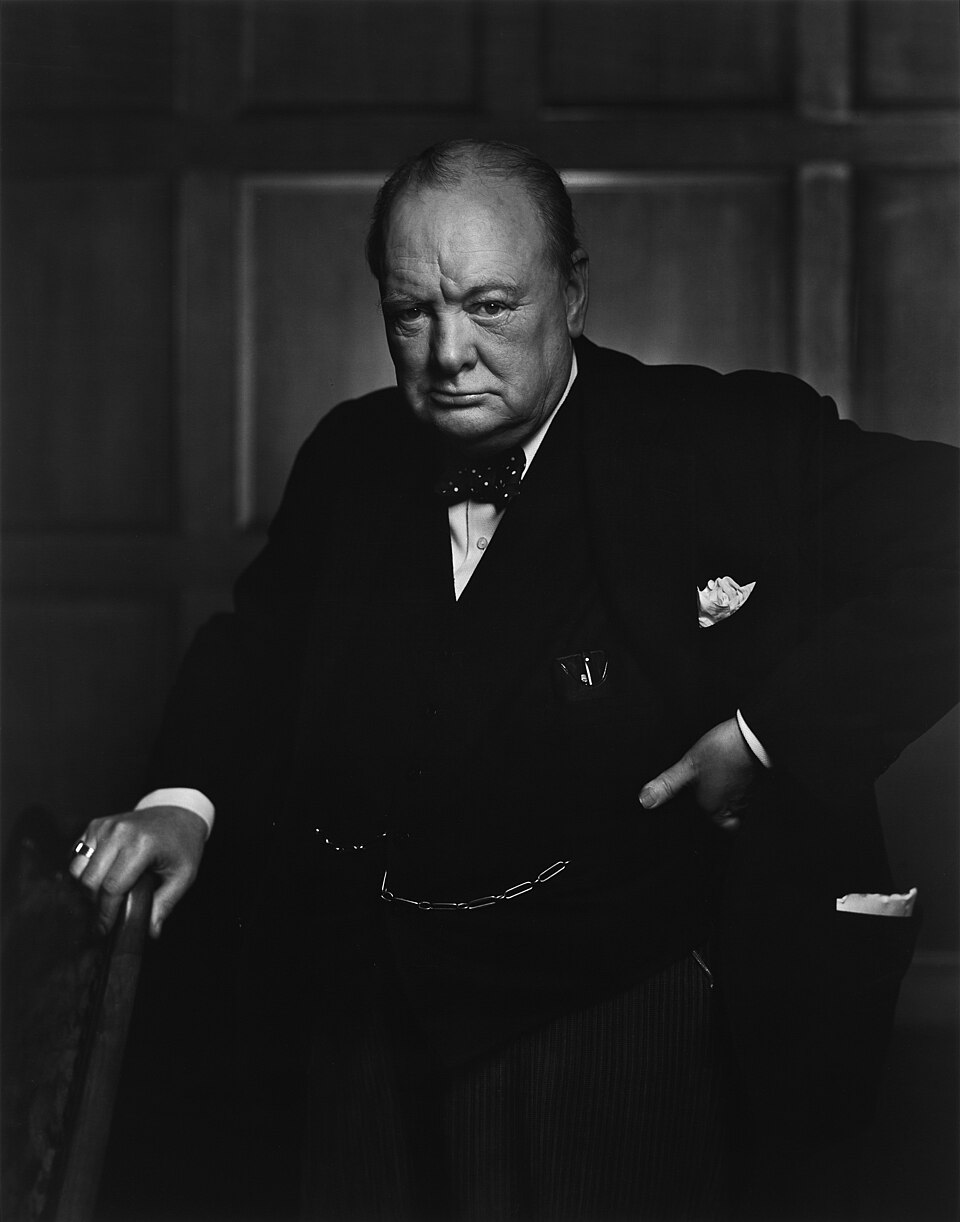
Soldier and Writer
Before entering politics, Churchill had an adventurous career as both a soldier and a war correspondent. He served in conflicts in Cuba, India, and Sudan, writing newspaper articles and books about his experiences along the way. In 1899, during the Boer War in South Africa, he was captured by enemy forces and held as a prisoner of war. Churchill made a daring escape by climbing over a prison wall at night and traveling nearly 300 miles to safety, which made him famous back home in England. His thrilling war stories and bold personality helped launch his political career when he returned.
Entering Politics
Churchill was elected to the British Parliament in 1900 at the age of 25, beginning a political career that would last more than six decades. Over the years, he held many important government positions, including First Lord of the Admiralty, which put him in charge of the Royal Navy. He switched political parties twice during his career, moving from the Conservatives to the Liberals and then back again. During the 1930s, Churchill warned that Adolf Hitler and Nazi Germany were a growing danger to the world, but many other leaders ignored his warnings. When World War II broke out in 1939, people realized Churchill had been right all along.
Leading Britain in World War II
On May 10, 1940, Churchill became Prime Minister of the United Kingdom at one of the darkest moments in the country’s history. Nazi Germany had conquered much of Europe, and Britain stood nearly alone against Hitler’s powerful military. Churchill gave a series of stirring speeches that rallied the British people to keep fighting, even when the situation seemed hopeless. He worked tirelessly to build an Allied coalition with the United States under President Franklin Roosevelt and the Soviet Union under Joseph Stalin. Together, this alliance of nations defeated Hitler and the Axis powers, bringing World War II to an end in 1945.
Famous Speeches
Churchill is remembered as one of the greatest public speakers in history, and his words gave courage to millions during the war. In one of his most famous speeches to Parliament in June 1940, he declared that Britain would never surrender, rallying the nation’s spirit during its most dangerous hour. His radio broadcasts reached homes across Britain and gave ordinary people the strength to endure bombing raids, food shortages, and years of hardship. Churchill understood that words could be just as powerful as weapons in keeping a nation’s morale strong. His speeches are still studied today as examples of how language can inspire people during difficult times.
Nobel Prize Winner
In 1953, Churchill won the Nobel Prize in Literature, one of the most prestigious awards in the world. He received the prize for his brilliant historical writings and his many powerful speeches that had shaped the twentieth century. Churchill wrote over 40 books during his lifetime, including a six-volume history of World War II and a four-volume history of the English-speaking peoples. His writing style combined vivid storytelling with deep knowledge of history and politics. The Nobel committee praised his mastery of language and his ability to champion human values through his words.
Churchill the Painter
Beyond politics and writing, Churchill was also a talented painter who created more than 500 paintings during his lifetime. He took up painting in 1915 during a difficult period in his political career and found that it helped him relax and clear his mind. Churchill mostly painted landscapes and outdoor scenes, often during vacations in the south of France and Morocco. His artwork was good enough to be exhibited at the Royal Academy of Arts in London, though he submitted his paintings under a different name at first. Painting remained one of his greatest joys throughout his long life.
Later Years and Legacy
Churchill served as Prime Minister a second time from 1951 to 1955, stepping down at the age of 80 due to declining health. He spent his final years at his beloved country home, Chartwell, where he continued to paint, write, and receive visitors from around the world. Churchill died on January 24, 1965, at the age of 90, exactly 70 years after his father’s death. He was given a state funeral attended by leaders from more than 100 countries, one of the largest in British history. Today, Winston Churchill is widely regarded as one of the greatest wartime leaders the world has ever known, a man whose courage and determination helped save freedom during its darkest hour.
 OtterKnow Kids Encyclopedia