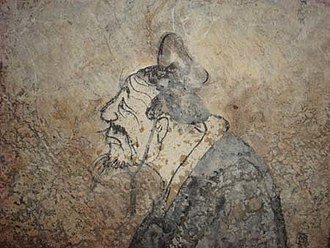
His Name and Identity
The name most of the world knows him by — Confucius — is actually a Latin version of his Chinese name. He was born Kong Qiu, and his followers respectfully called him Kongzi, which means “Master Kong.” European missionaries who traveled to China centuries later translated his name into Latin as “Confucius,” and that is the name that stuck in Western languages. In China and much of East Asia, he is still known as Kongzi or Kong Fuzi to this day.
A Revolutionary Teacher
Confucius became one of the most important teachers in all of history. He believed that anyone who was willing to learn deserved an education, no matter how rich or poor they were. This was a revolutionary idea in ancient China, where only wealthy noble families could afford schooling. He is said to have taught around 3,000 students during his lifetime, and about 72 of them became especially devoted followers. Confucius used conversations, questions, and stories rather than lectures to help his students think deeply about the world.
His Core Teachings
At the heart of Confucius’s philosophy were three powerful ideas. The first was ren, which means benevolence or humaneness — treating every person with kindness and compassion. The second was li, which refers to proper behavior, good manners, and respect for traditions and rituals. The third was yi, meaning righteousness — always doing what is morally right, even when it is difficult. Together, these ideas formed the foundation of Confucian ethics and shaped how millions of people would live their lives for thousands of years.
Government and Travel
Confucius worked as a government official in the state of Lu for a time, rising to an important position. However, he became frustrated when the rulers did not follow his advice about governing with fairness and virtue. He left his government post and spent about 14 years traveling across China with his students, visiting different states and trying to convince their rulers to adopt his ideas. Although most rulers listened politely, few actually put his teachings into practice during his lifetime.
The Analects
After Confucius died in 479 BCE at the age of 72, his students collected his sayings, conversations, and teachings into a book called the Analects. This book became one of the most widely read and influential works in all of human history. The Analects contains short passages that cover topics like education, friendship, leadership, family duty, and how to live a good life. For over 2,000 years, students in China were required to study the Analects as part of their education, and it remains an important text today.
His Influence on East Asia
Confucianism shaped Chinese society, government, education, and family life for more than 2,500 years. His ideas about respect for elders, devotion to family, and the importance of education became central values in Chinese culture. Confucianism also spread to Korea, Japan, Vietnam, and other parts of East Asia, where it influenced laws, customs, and ways of thinking. The Chinese civil service examination system, which selected government officials based on knowledge rather than family connections, was inspired by Confucian ideals and lasted for over 1,300 years.
His Legacy Today
Today, Confucius is honored around the world as one of the greatest thinkers and teachers who ever lived. Over 3 million people worldwide are considered descendants of Confucius, making his family tree one of the longest recorded in history. The Chinese government has established hundreds of Confucius Institutes in countries around the globe to teach Chinese language and culture. His birthday, September 28, is celebrated as Teachers’ Day in parts of East Asia. Confucius’s message that education, kindness, and moral character can make the world a better place is still widely studied and followed today.
 OtterKnow Kids Encyclopedia