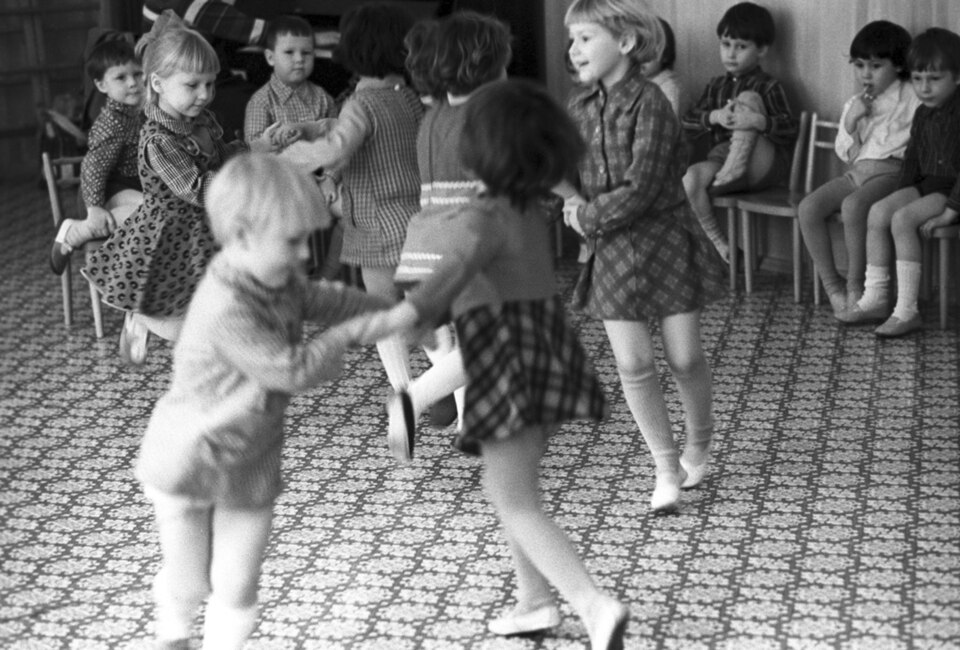
How Dance Keeps You Healthy
Dancing is a cardiovascular exercise, which means it gets your heart pumping and strengthens your heart and lungs over time. Ballet dancers often train 6 to 8 hours per day and can burn as many calories per hour as a competitive swimmer. Different dance styles work different muscle groups and movement patterns, but all of them improve coordination, balance, and flexibility. Regular dancing also builds stronger bones and muscles, especially in the legs and core. The World Health Organization recognizes dance as a valid form of the 60 minutes of moderate-to-vigorous physical activity recommended for children every day.
Dance Styles Around the World
There are hundreds of dance styles practiced around the world, each with its own history and character. Ballet originated in the Italian Renaissance courts of the 15th century and became formalized in France, where many of its terms like “plié” and “jeté” come from. Hip-hop dance emerged in the 1970s in New York City as part of hip-hop culture and includes styles like breaking, popping, and locking. Folk dances like Irish step dancing, Indian Bharatanatyam, and Mexican folklorico reflect the traditions and stories of their cultures. Ballroom dances such as the waltz, tango, and foxtrot are performed with a partner and require precise timing and teamwork.
Dance and Your Brain
Dancing is one of the best activities for your brain because it combines physical movement with mental challenges. Learning choreography requires memorization, spatial reasoning, counting music beats, and coordinating your body — all of which stimulate multiple brain areas at the same time. Studies have shown that dancing regularly can improve memory, attention, and problem-solving skills in children and adults alike. Dancers must also interpret music and express emotions through movement, which strengthens creativity and emotional intelligence. Research suggests that dance may even help protect the brain against age-related decline later in life.
Dance and Emotions
Moving your body to music has a powerful effect on your mood and mental health. Scientific studies show that dancing reduces cortisol, the body’s main stress hormone, while increasing feel-good chemicals like serotonin and dopamine. Many therapists use dance and movement therapy to help people cope with anxiety, depression, and trauma. Dancing with other people also creates a sense of connection and belonging, which is important for emotional well-being. Even a few minutes of dancing to a favorite song at home can shift your mood and give you a burst of energy.
Dance Is Universal
Dance is universal — every known human culture throughout recorded history has had some form of dance. Ancient cave paintings from over 9,000 years ago appear to show people dancing in groups. Dance has been used in religious ceremonies, harvest celebrations, wedding traditions, and community gatherings across every continent. No matter what language people speak or where they live, dance is a way to express joy, tell stories, and bring people together. This universality shows that the desire to move rhythmically is a fundamental part of being human.
Dance as a Career
For those who are passionate about dance, it can become a lifelong career in many different ways. Professional dancers perform in ballet companies, Broadway musicals, music videos, movies, and touring shows around the world. Choreographers create new dances and routines for performances, competitions, and entertainment. Dance teachers and studio owners share their knowledge with new generations of dancers in schools and private studios. Some dancers become dance therapists, physical therapists, or fitness instructors, combining their movement expertise with helping others stay healthy.
Getting Moving
You do not need any special equipment, expensive classes, or natural talent to start dancing. Simply turning on music and moving your body is enough to get the physical and emotional benefits of dance. Many schools offer dance classes or dance clubs, and community centers often have affordable group lessons for beginners. Watching online tutorials is another great way to learn basic moves in styles like hip-hop, salsa, or contemporary dance. The most important thing is to have fun and let yourself move — there is no wrong way to dance when you are doing it for joy and health.
 OtterKnow Kids Encyclopedia