Building Inner Strength
One of the biggest benefits of individual sports is the mental toughness they develop. Since there is no team to fall back on, athletes learn self-reliance, discipline, and self-motivation from an early age. When you lose a match or have a bad performance, you must find the strength within yourself to bounce back. Individual sport athletes often develop strong goal-setting habits because they can clearly measure their own improvement over time. These mental skills carry over into school, friendships, and everyday life long after the sport is done.
Swimming — A Total Body Workout
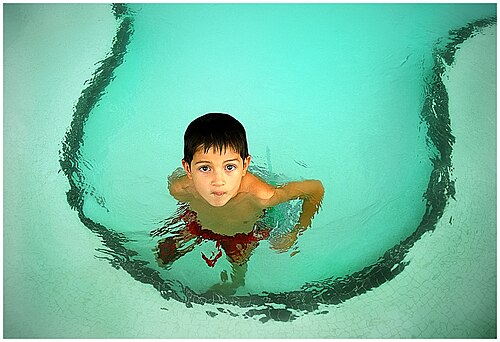
Swimming is one of the most complete exercises a person can do because it works nearly every major muscle group in the body at the same time. Unlike running or jumping, swimming is low-impact, meaning it puts very little stress on joints and bones. This makes it an excellent choice for people recovering from injuries or those with joint problems like arthritis. Competitive swimmers can burn between 400 and 700 calories per hour depending on the stroke and intensity. Swimming also builds cardiovascular endurance, meaning it strengthens the heart and lungs while toning muscles from head to toe.
Gymnastics — Power and Grace
Gymnastics builds exceptional strength, flexibility, balance, and body awareness all at once. Gymnasts often have some of the highest power-to-weight ratios of any athletes in the world, meaning they are incredibly strong for their size. Training includes events like the floor exercise, vault, balance beam, uneven bars, rings, and pommel horse. Young gymnasts develop coordination and spatial awareness that help them in other sports and physical activities throughout their lives. The sport requires years of dedicated practice, and many elite gymnasts begin training as early as age 5 or 6.
Martial Arts — Mind and Body Together
Martial arts like karate, judo, and taekwondo combine physical fitness with mental focus, self-discipline, and self-defense skills. Students progress through a belt system, starting at white belt and working toward black belt, which gives them clear milestones to achieve. Training improves strength, flexibility, reaction time, and cardiovascular fitness all in one session. Beyond the physical benefits, martial arts teach respect, patience, and emotional control — values that instructors emphasize just as much as technique. Taekwondo became an official Olympic sport in 2000, and judo has been in the Olympics since 1964, showing how these ancient practices have grown into major competitive sports.
Track and Field — Something for Everyone
Track and field is one of the oldest and most diverse sports in the world, with 48 different events at the Olympic level. Events range from short sprints like the 100-meter dash to the grueling 42.2-kilometer marathon, plus throwing events like shot put and javelin, and jumping events like high jump and long jump. This variety means almost anyone can find an event that matches their natural abilities, whether they are fast, strong, or have great endurance. Track and field athletes learn to compete against their own personal records as much as against other runners or throwers. The sport has been a centerpiece of the Olympic Games since the very first modern Olympics in Athens in 1896.
Team Spirit in Individual Sports
Even though these are called individual sports, many athletes also compete as part of teams. Swimmers race for their school or club swim teams, gymnasts compete for their gymnastics clubs, and runners join cross-country or track teams. In these settings, individual performances are combined into team scores, so every athlete’s effort matters to the group. This creates a unique experience where athletes push themselves individually while also supporting and encouraging their teammates. The combination of personal accountability and team camaraderie is one reason individual sports are so popular in schools across the country.
Getting Started
The best thing about individual sports is that most of them are easy to try with very little equipment or experience. Many community centers, parks departments, and local clubs offer beginner classes in swimming, martial arts, tennis, gymnastics, and track and field. Starting young gives athletes more time to develop skills, but people of all ages can begin an individual sport and see real improvement quickly. The key is finding an activity you enjoy, because you are far more likely to stick with something that feels fun rather than like a chore. No matter which individual sport you choose, you will build discipline, confidence, and fitness that carry into everything else you do.
 OtterKnow Kids Encyclopedia