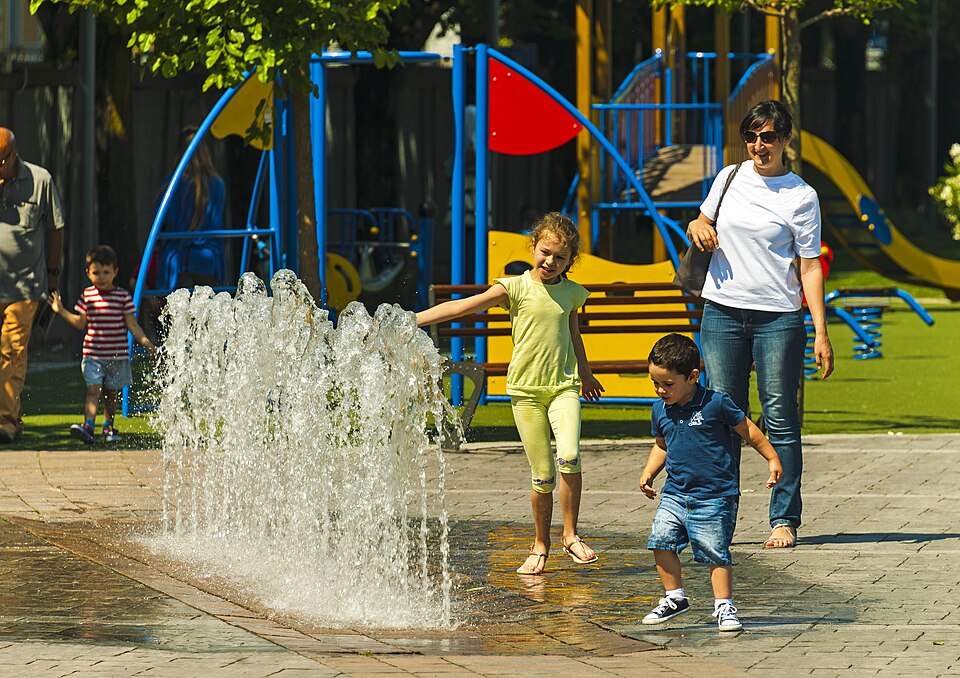
Why Nature Is Good for Your Health
Research shows that spending time outdoors reduces stress, improves mood, lowers blood pressure, and boosts immune function. Even just 20 minutes spent outside in a green space like a park or forest can significantly lower levels of cortisol, the body’s main stress hormone. Sunlight exposure helps your body produce vitamin D, which is essential for strong bones, a healthy immune system, and good mood. Being in nature also encourages deeper breathing of cleaner air, which benefits your lungs and cardiovascular system. Scientists in Japan have studied a practice called “forest bathing,” or shinrin-yoku, and found that walking among trees lowers heart rate and blood pressure more than walking in urban areas.
The Importance of Getting Outside
In 2005, author Richard Louv coined the term “nature deficit disorder” to describe the negative effects on children who spend too little time outdoors. While it is not an official medical diagnosis, research supports his concern — children who rarely play outside show increased rates of anxiety, attention difficulties, and reduced creativity compared to children who spend regular time in nature. Studies have also found that children who play outdoors develop better problem-solving skills, stronger immune systems, and healthier body weights. Outdoor play encourages imaginative thinking because nature provides endless open-ended materials like sticks, rocks, water, and mud. Experts recommend that children spend at least one hour outside every day for their physical and mental health.
Popular Outdoor Activities
Hiking is one of the most accessible outdoor activities and burns roughly 400 to 700 calories per hour depending on the terrain, speed, and the weight of your backpack. Rock climbing builds incredible upper body and grip strength while also requiring problem-solving skills to figure out the best route up a wall or cliff face. Kayaking and canoeing provide excellent upper body workouts while letting you explore rivers, lakes, and coastlines from a unique perspective. Skiing and snowboarding combine cardiovascular fitness with balance and coordination on snowy mountain slopes. Skateboarding develops balance, coordination, and core strength, and it has grown so popular that it became an Olympic sport in 2021.
Outdoor Recreation and the Economy
Outdoor recreation is not just good for your health — it is a massive part of the American economy. The Bureau of Economic Analysis reports that outdoor recreation is a $788 billion industry in the United States, supporting about 5.2 million jobs. This includes everything from national park rangers and ski resort workers to people who manufacture hiking boots, bicycles, and camping gear. National parks alone welcomed over 300 million visitors in recent years, generating billions of dollars for surrounding communities. The economic importance of outdoor recreation gives governments a strong reason to protect natural areas, trails, and waterways for future generations to enjoy.
Staying Safe Outdoors
While outdoor recreation is wonderful for health and happiness, safety should always come first. Always tell an adult where you are going and when you plan to return, whether you are hiking, biking, or just exploring a neighborhood park. Wearing appropriate clothing and footwear for the weather and terrain prevents injuries and keeps you comfortable. Bringing water is essential because dehydration can happen quickly, especially during warm weather or vigorous activity. Learning basic outdoor skills like reading trail markers, recognizing poisonous plants like poison ivy, and knowing what to do if you encounter wildlife will help you stay safe and confident in nature.
Outdoor Recreation for Everyone
One of the greatest things about outdoor recreation is that it is available to people of all ages, abilities, and fitness levels. Many parks and trails now offer accessible paths for wheelchairs and strollers, making nature available to everyone. Adaptive outdoor programs provide equipment and instruction for people with physical disabilities to enjoy activities like skiing, kayaking, and rock climbing. Community parks, schoolyards, and neighborhood green spaces provide outdoor opportunities even in cities where wilderness areas are far away. You do not need expensive gear or a long drive to get the benefits of being outside — a walk around the block, a game of catch, or time spent sitting under a tree all count.
Making It a Habit
The key to getting the health benefits of outdoor recreation is making it a regular part of your life, not just a once-in-a-while treat. Try to spend at least 20 to 30 minutes outside every day, even if it is just walking to school, playing in the yard, or eating lunch on a bench. Keep outdoor gear like a ball, a jump rope, or a pair of binoculars near the door so it is easy to grab on your way out. Invite friends or family members to join you, because outdoor activities are often more fun when shared with others. Building outdoor habits now will set you up for a lifetime of better physical health and stronger mental well-being.
 OtterKnow Kids Encyclopedia