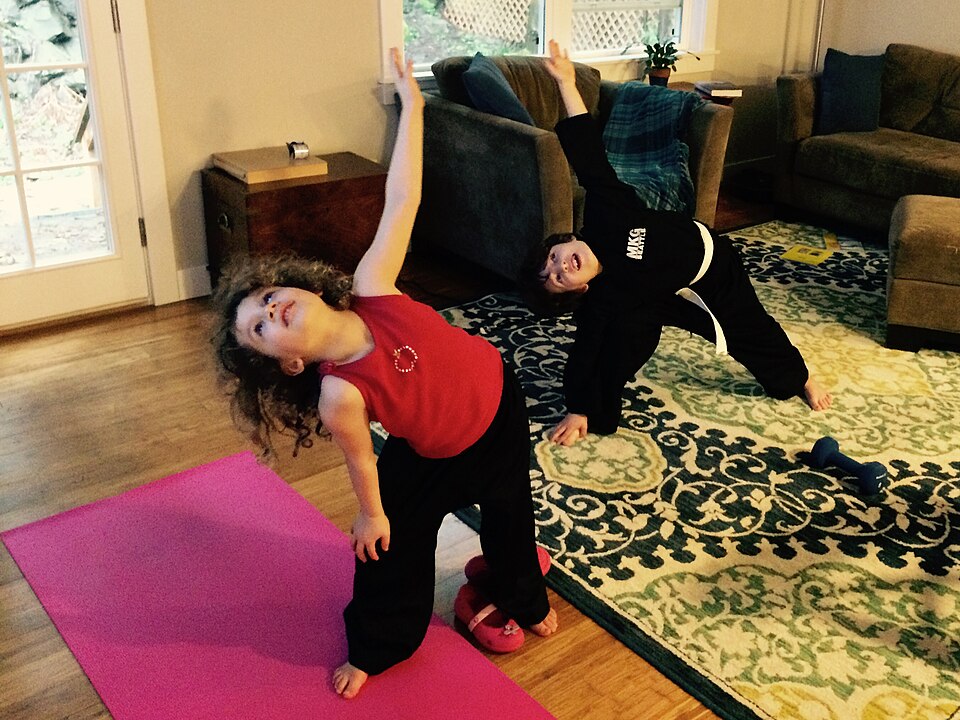
Great Warm-Up Activities
The best warm-ups use dynamic stretching, which means moving your body through stretches rather than holding still. Jogging in place, jumping jacks, high knees, and butt kicks all get your heart pumping and your muscles loose. Arm circles, leg swings, and hip rotations warm up specific joints you’ll use during your workout. If you’re about to play a sport, your warm-up should mimic movements from that sport — for example, dribbling slowly before a basketball game or doing gentle kicks before soccer practice. The key is to start slow and gradually increase your speed and effort over those five to ten minutes.
What Happens Inside Your Body
When you warm up, some amazing things happen inside your body. Your heart rate increases from its resting rate of about 70 to 100 beats per minute up to around 100 to 120 beats per minute, pumping blood faster to your muscles. Your body temperature rises by one to two degrees, which makes your muscles more elastic and your nerve signals travel faster. The fluid inside your joints, called synovial fluid, gets thinner and spreads more evenly, which helps your joints move smoothly without grinding. Your lungs also start working harder, taking in more oxygen with each breath to fuel the exercise ahead.
Why Cooling Down Matters
Cooling down after exercise is just as important as warming up before it. When you exercise hard, your heart pumps blood rapidly to your working muscles, and the squeezing action of those muscles helps push blood back to your heart. If you stop exercising suddenly, your muscles stop squeezing but your heart is still pumping fast — blood can pool in your legs, making you feel dizzy or even faint. A proper cool-down takes five to ten minutes and gives your body time to gradually return to its resting state. It also helps remove waste products like lactic acid that build up in your muscles during intense activity.
How to Cool Down Properly
A good cool-down has two parts: lower-intensity movement followed by static stretching. Start by slowing down whatever activity you were doing — if you were running, switch to jogging, then walking. After a few minutes of easy movement, move into static stretches, where you hold each stretch for 20 to 30 seconds without bouncing. Focus on the muscles you used most during your workout — stretch your legs after running, your arms and shoulders after swimming. Breathe deeply and slowly during each stretch, exhaling as you ease deeper into the position. This is also a great time to drink water and begin replacing the fluids you lost through sweat.
Reducing Muscle Soreness
Have you ever felt really stiff and sore a day or two after exercising hard? That’s called delayed onset muscle soreness, or DOMS, and it happens when your muscles develop tiny tears during intense activity. A proper cool-down with stretching helps reduce DOMS by keeping blood flowing to your muscles and helping them begin the repair process right away. Studies show that people who cool down consistently experience less soreness than those who skip it entirely. While some soreness after a new or hard workout is normal, sharp or lasting pain is a sign that something might be wrong, and you should tell a parent or coach.
What the Pros Do
Professional athletes take warming up and cooling down very seriously because their careers depend on staying healthy. Before a big soccer match, you’ll see players spending 20 to 30 minutes doing dynamic stretches, light jogging, and sport-specific drills on the field. After the game, they spend even more time cooling down with walking, stretching, foam rolling, and sometimes ice baths. Olympic swimmers warm up in practice pools before their races and cool down in them afterward. These habits help professional athletes avoid injuries and recover faster so they can train and compete day after day, season after season.
Making It a Habit
The best time to build good warm-up and cool-down habits is right now, while you’re young. Try setting a timer on a phone or watch for five minutes before and after every workout or practice session. Make your warm-up fun by doing it with friends or listening to your favorite music while you move. You can even create a routine card that lists your go-to warm-up and cool-down exercises so you don’t have to think about what to do. Over time, warming up and cooling down will feel as natural as putting on your shoes before a run — just another part of being active and taking care of your body.
 OtterKnow Kids Encyclopedia