Farming Around the World Today
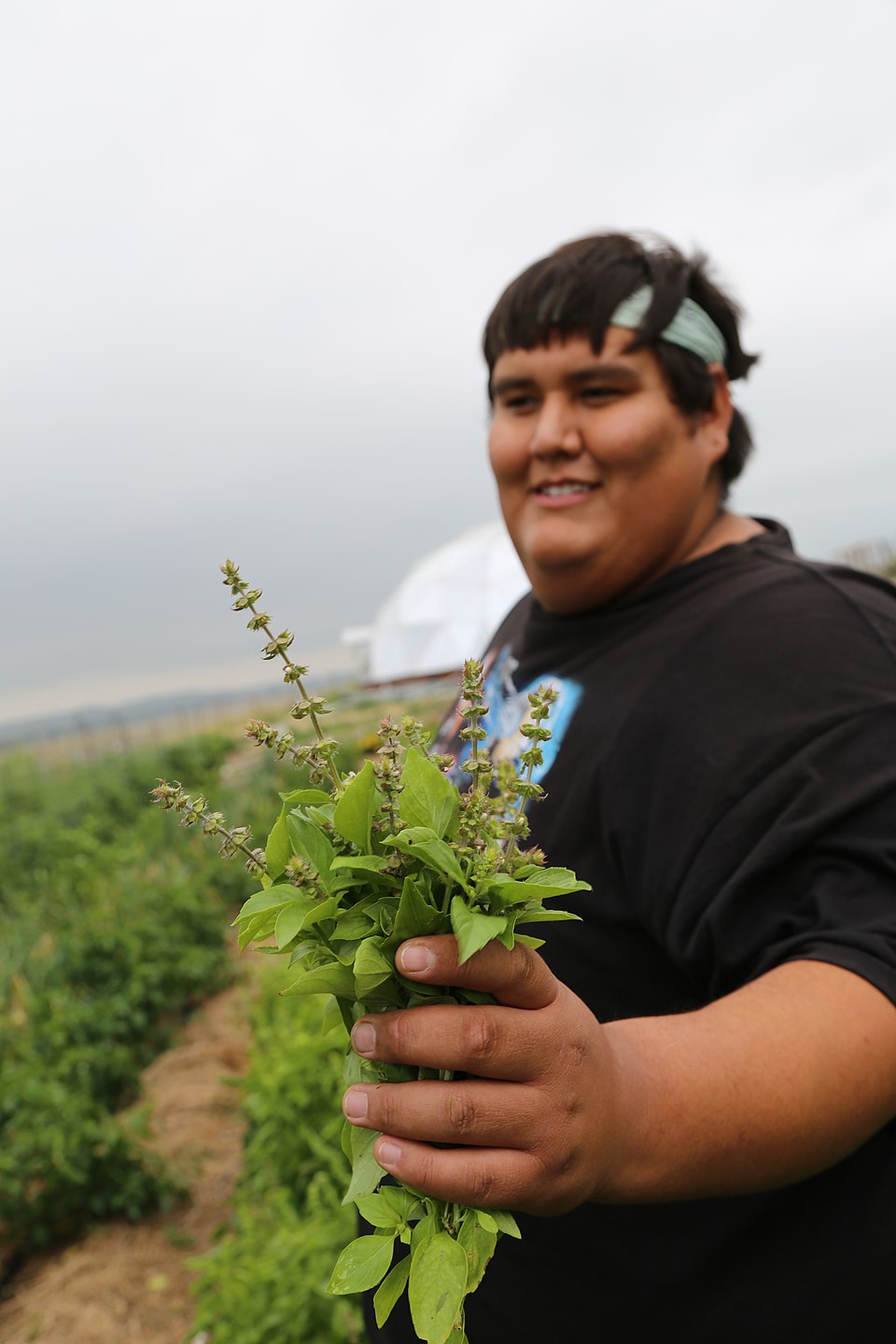
Today, there are about 570 million farms worldwide that work together to feed over 8 billion people. These farms range from tiny family plots of less than an acre to enormous industrial operations spanning thousands of acres. In many parts of Africa and Asia, small family farms still produce the majority of food using traditional methods passed down through generations. In the United States and other wealthy nations, farming has become highly mechanized, with a single farmer able to grow enough food to feed over 150 people. Despite these differences, every farm shares the same basic goal — turning sunlight, water, and soil into food that nourishes people.
The Green Revolution
In the 1960s and 1970s, the world faced a terrifying problem — the population was growing faster than the food supply, and experts predicted massive famines. A scientist named Norman Borlaug led a movement called the Green Revolution, developing new varieties of wheat and rice that produced far more grain per plant than traditional varieties. These high-yield crops, combined with better fertilizers and irrigation techniques, dramatically increased food production around the world. Borlaug’s work is credited with preventing an estimated 1 billion deaths from starvation, and he won the Nobel Peace Prize in 1970. The Green Revolution showed how science and agriculture can work together to solve seemingly impossible problems.
Modern Farming Technology
Farming today looks very different from farming even 50 years ago. GPS-guided tractors can plant seeds in perfectly straight rows with almost no human steering, and drones fly over fields to monitor crop health from above. Precision irrigation systems deliver exactly the right amount of water to each section of a field, reducing waste and saving this precious resource. Some farmers use genetic modification to create crops that resist diseases or survive droughts better than natural varieties. Sensors in the soil can measure moisture and nutrient levels in real time, sending data to a farmer’s smartphone. All of this technology helps farmers grow more food using less land, water, and labor than ever before.
Food and the Environment
The food system — everything from growing crops to transporting and selling food — accounts for about 26% of all global greenhouse gas emissions. Meat and dairy production are the largest contributors because raising livestock requires vast amounts of land, water, and feed crops. A single pound of beef requires roughly 1,800 gallons of water to produce when you count the water used to grow the animal’s feed. Fertilizers and pesticides can pollute rivers and lakes, and clearing forests for farmland destroys habitats for wildlife. These environmental costs are a major reason why scientists are studying ways to produce food more sustainably, from vertical farms in cities to plant-based alternatives to meat.
Local and Organic Farming
Some farmers use methods that are gentler on the environment, such as organic farming, which avoids synthetic pesticides and fertilizers. Organic farms use natural pest control, crop rotation, and composting to keep soil healthy and productive. Buying food from local farms — at farmers’ markets or through community-supported agriculture programs — reduces the distance food travels and supports nearby communities. However, organic and local farming typically produces less food per acre than conventional industrial farming, which means it takes more land to grow the same amount of food. Finding the right balance between environmental protection and feeding a growing world population is one of the biggest challenges facing agriculture today.
The Problem of Food Waste
One of the most surprising facts about our food system is that about one-third of all food produced in the world is never eaten — it is wasted. Food is lost at every stage of the supply chain, from crops left rotting in fields to perfectly good groceries thrown away at home because they passed their “best by” date. When food is wasted, all the water, land, energy, and labor used to produce it are wasted too. If food waste were a country, it would be the third-largest producer of greenhouse gases in the world, behind only China and the United States. Simple actions like planning meals, using leftovers, and understanding that “best by” dates are about quality rather than safety can make a real difference.
Feeding the Future
By 2050, the world population is expected to reach nearly 10 billion people, meaning farmers will need to produce about 60% more food than they do today. Scientists and farmers are exploring many solutions, including growing crops in indoor vertical farms using LED lights, developing lab-grown meat, and breeding crops that can thrive in hotter and drier conditions caused by climate change. Reducing food waste, eating more plant-based foods, and improving farming practices in developing countries are also important parts of the plan. Feeding the future will require creativity, technology, and cooperation from people all around the world.
 OtterKnow Kids Encyclopedia