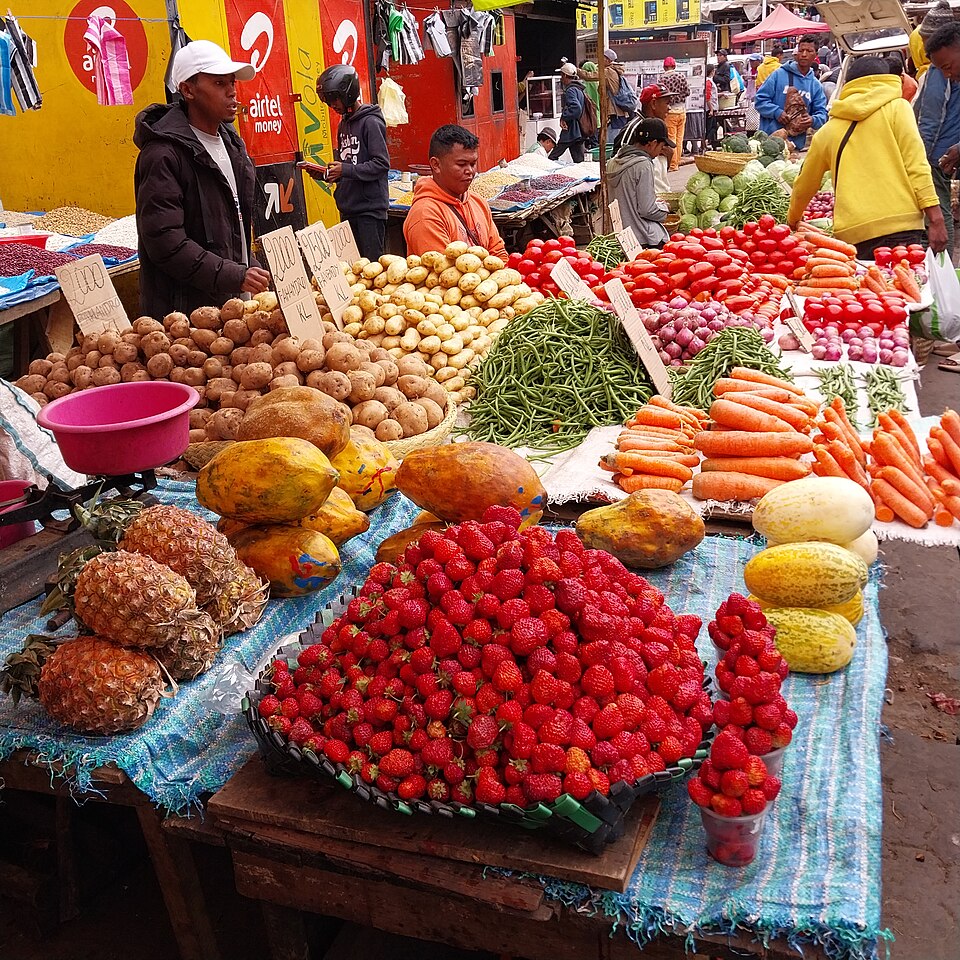
Why Eating Your Colors Matters
Different colors of fruits and vegetables contain different phytonutrients, which is why eating a rainbow of produce is so good for you. Red foods like tomatoes and watermelon contain lycopene, which helps protect your heart and skin. Orange and yellow foods like carrots and sweet potatoes are rich in beta-carotene, which your body converts into vitamin A for healthy eyes. Green foods like broccoli and spinach contain lutein and folate, while blue and purple foods like blueberries and eggplant are loaded with anthocyanins that support brain health.
How Fruits and Vegetables Fight Disease
Eating 5 or more servings of fruits and vegetables each day reduces the risk of heart disease by about 20% and may lower the risk of certain cancers. The antioxidants found in produce help neutralize harmful molecules called free radicals that can damage your cells over time. Potassium, found in bananas, potatoes, and leafy greens, helps keep your blood pressure at a healthy level. Scientists continue to discover new ways that the compounds in fruits and vegetables protect the human body.
Fiber and Your Gut
Fruits and vegetables are excellent sources of dietary fiber, which plays a crucial role in keeping your digestive system healthy. Fiber feeds the beneficial bacteria living in your gut, and these helpful microbes produce short-chain fatty acids that reduce inflammation throughout your body. Eating enough fiber also helps you feel full after meals, which prevents overeating. Most children need about 20 to 30 grams of fiber per day, but many kids get only about half that amount.
Fresh, Frozen, or Canned
You might think fresh fruits and vegetables are always the healthiest choice, but that is not necessarily true. Frozen vegetables are picked at peak ripeness and flash-frozen within hours, which locks in their nutrients. Canned vegetables and fruits, as long as they do not have added salt or sugar, are nutritionally comparable to fresh and can be an affordable option year-round. The most important thing is not whether your produce is fresh, frozen, or canned — it is that you eat enough of it every day.
Fruits vs. Vegetables
Although we often group fruits and vegetables together, they are actually different parts of a plant. In botany, a fruit is the part of a plant that develops from a flower and contains seeds, which means tomatoes, peppers, and cucumbers are technically fruits. Vegetables can be roots like carrots, leaves like lettuce, stems like celery, or flower buds like broccoli. No matter how you classify them, both fruits and vegetables give your body the nutrients it needs to grow, heal, and stay strong.
Getting Enough Servings Each Day
A serving of fruit is about the size of your fist, such as a medium apple or a cup of berries. A serving of vegetables is one cup of raw leafy greens or half a cup of cooked vegetables like broccoli or peas. Try to include at least one fruit or vegetable at every meal and snack throughout the day. Adding spinach to a smoothie, tossing berries on your cereal, or dipping carrot sticks in hummus are all easy ways to boost your intake.
Growing Your Own
One of the best ways to get excited about eating fruits and vegetables is to grow some yourself. Even a small pot on a windowsill can grow herbs like basil or cherry tomatoes. Gardening teaches you where food comes from and gives you a sense of accomplishment when you harvest something you planted. Studies show that children who help grow fruits and vegetables are more likely to eat and enjoy them.
 OtterKnow Kids Encyclopedia