What Water Does Inside Your Body
Water helps your body in many different ways every single day. It carries nutrients from the food you eat to the cells that need them, and it helps remove waste products through urine and sweat. Water also cushions your joints and protects your spinal cord and other sensitive tissues. Your blood, which is about 90% water, uses water to transport oxygen to every part of your body.
How Much Water Should You Drink
Children ages 8 to 13 should drink about 5 to 8 cups of water per day, depending on their age, size, and how active they are. If you play sports or spend time outside in hot weather, you need even more water to replace what you lose through sweat. A good way to check if you are drinking enough is to look at the color of your urine — pale yellow means you are well hydrated. You do not need to drink all your water at once; sipping throughout the day is the best approach.
Signs of Dehydration
Dehydration happens when your body loses more water than it takes in. Even mild dehydration, which means losing just 1 to 2 percent of your body water, can reduce your ability to concentrate and make physical activities feel much harder. Common signs include feeling tired, getting headaches, having a dry mouth, and noticing dark yellow urine. In more serious cases, dehydration can cause dizziness, confusion, and a rapid heartbeat, which means you need water right away.
Water in the Foods You Eat
You do not get all your water from drinking — many foods contain a surprising amount of water too. Cucumbers are about 96% water, watermelon is 92% water, and strawberries are 91% water. Soups, yogurt, and oranges are also great sources of water from food. Eating water-rich fruits and vegetables throughout the day helps keep you hydrated alongside the water you drink.
How Your Body Loses Water
Your body is constantly losing water, even when you do not realize it. You lose water through urine, sweat, breathing, and digestion every single day. In hot weather or during exercise, you lose water much faster through sweat as your body tries to cool itself down. Even in cold weather, your body loses water through the moisture in your breath, which is why you can sometimes see your breath on chilly days.
Sports Drinks vs. Water
You might see athletes drinking colorful sports drinks, but water is the best choice for most everyday activities. Sports drinks contain electrolytes like sodium and potassium, which can be helpful during intense exercise lasting more than an hour. However, many sports drinks also contain large amounts of added sugar, which is not great for your teeth or overall health. For regular activities like playing at recess, walking, or doing homework, plain water is all your body needs.
Easy Ways to Drink More Water
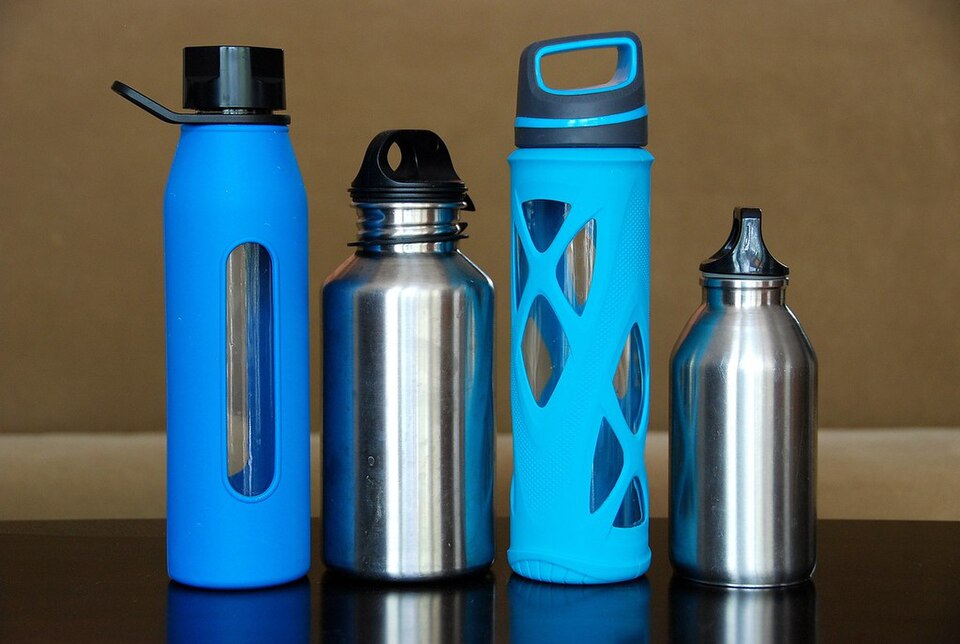
If you find it hard to remember to drink water, there are some simple tricks that can help. Carrying a reusable water bottle with you to school makes it easy to sip throughout the day. You can add slices of fruit like lemon, orange, or cucumber to make your water taste more interesting. Drinking a glass of water with every meal and snack is another easy habit that helps you reach your daily water goal.
 OtterKnow Kids Encyclopedia