Amino Acids: The Building Blocks
There are 20 different amino acids that combine in various ways to create thousands of different proteins in your body. Of these 20, your body can make 11 on its own, but the remaining 9 must come from the food you eat. These 9 are called “essential” amino acids because it is essential that you get them through your diet. Think of amino acids like letters of the alphabet — just as 26 letters can be arranged to make thousands of words, 20 amino acids can be arranged to build thousands of different proteins. If even one essential amino acid is missing, your body may not be able to build the protein it needs.
Complete and Incomplete Proteins
Foods that contain all 9 essential amino acids are called complete proteins. Meat, fish, eggs, dairy products, soy, and quinoa are all examples of complete proteins. Most plant foods, like beans, nuts, and grains, are called incomplete proteins because they are missing one or more essential amino acids. However, this does not mean plant proteins are less valuable. By eating a variety of plant foods throughout the day, you can get all 9 essential amino acids your body needs. For example, beans are low in one amino acid that rice has plenty of, and rice is low in one that beans provide — so together they make a complete protein.
How Protein Builds Muscle
When you exercise, especially during activities like running, climbing, or lifting things, tiny tears form in your muscle fibers. This might sound scary, but it is actually a normal and healthy process. After your workout, your body uses amino acids from the protein you eat to repair those tiny tears and build the muscle fibers back even stronger than before. This is why athletes and active kids often eat a meal or snack with protein after exercise. The process of breaking down and rebuilding muscle happens constantly, which is why your body needs a steady supply of protein every day.
How Much Protein Do You Need?
The amount of protein you need depends on your age, size, and how active you are. Children ages 9 to 13 need about 34 grams of protein per day, while teenagers ages 14 to 18 need around 46 to 52 grams. Kids who are very active or play sports regularly may need a bit more to support muscle repair and growth. Most children in the United States already get plenty of protein from their regular meals. A single chicken drumstick has about 12 grams of protein, a glass of milk has 8 grams, and a tablespoon of peanut butter has about 4 grams, so it adds up quickly throughout the day.
Protein-Rich Foods
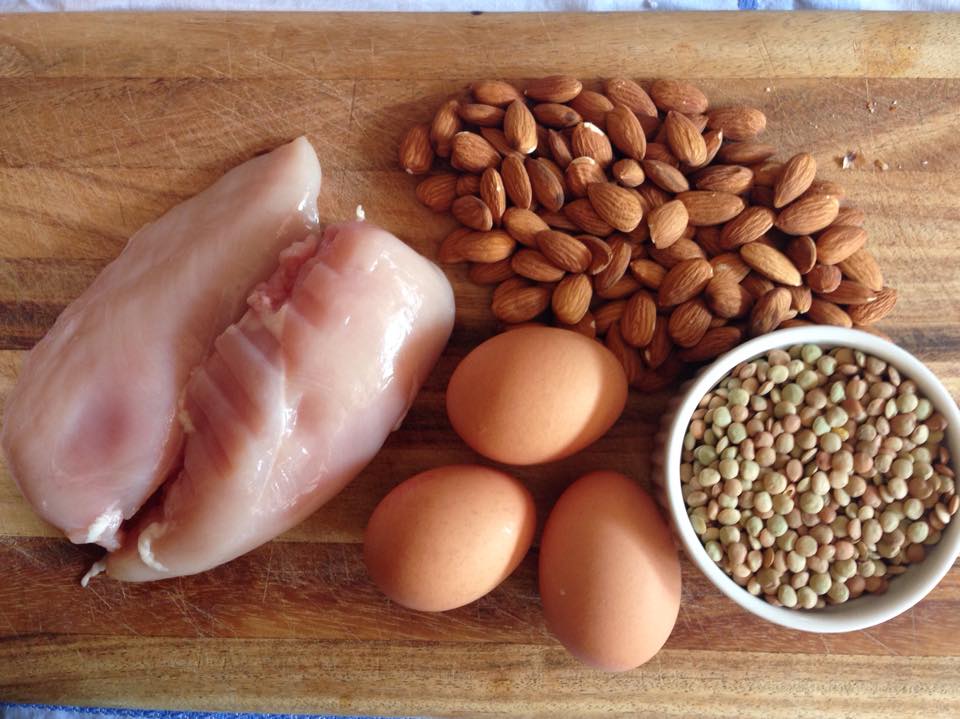
Many different foods are packed with protein, giving you lots of options to choose from. Chicken breast is one of the richest sources, with about 31 grams of protein per 100 grams of meat. Canned tuna provides about 26 grams per 100 grams, making it an easy and affordable option. For plant-based sources, lentils offer about 9 grams per 100 grams when cooked, and Greek yogurt provides around 10 grams per 100 grams. Eggs are another excellent choice, with about 6 grams of protein in a single large egg. Mixing animal and plant protein sources throughout the day is a great way to get a wide range of nutrients.
Plant-Based Protein
You do not need to eat meat to get enough protein. Vegetarians and vegans can meet all their protein needs by eating a variety of plant foods each day. Beans, lentils, chickpeas, tofu, tempeh, nuts, seeds, and whole grains all contain protein. The key is to eat different plant proteins so that the amino acids missing from one food are provided by another. A classic example is rice and beans, which together provide all 9 essential amino acids. Many cultures around the world have been combining plant proteins in their traditional diets for thousands of years, long before scientists understood why it worked so well.
Protein and Your Overall Health
Protein does much more than just build muscles. It helps your immune system create antibodies that fight bacteria and viruses, keeping you from getting sick as often. Protein also helps make hemoglobin, the molecule in red blood cells that carries oxygen from your lungs to every part of your body. Enzymes made from protein help you digest food, and protein-based hormones like insulin help control your blood sugar levels. Eating protein at meals also helps you feel full and satisfied for longer, which can prevent overeating and help you maintain a healthy weight. By including a source of protein at every meal, you support your body in dozens of important ways.
 OtterKnow Kids Encyclopedia