Your Brain’s Natural Rhythms
Your brain follows natural cycles of alertness and rest called ultradian rhythms, which last roughly 90 to 120 minutes each. During the alert part of the cycle, you can focus well and absorb new information. But after about 90 minutes of intense mental work, your brain naturally starts to lose focus and needs a break. A 10 to 20 minute break after a focused work period helps reset your concentration for the next cycle. Paying attention to these natural rhythms — working hard when you feel sharp and resting when you feel foggy — helps you use your energy wisely.
What Is Burnout?
Burnout is a state of chronic physical and emotional exhaustion that comes from prolonged stress without enough rest or recovery. It’s more than just feeling tired after a long day — burnout builds up over weeks or months and makes everything feel harder. Symptoms include feeling tired all the time even after sleeping, losing motivation for activities you used to enjoy, feeling irritable or easily frustrated, and having trouble concentrating. Burnout can affect anyone, including students who are juggling school, homework, sports, music, and social activities. The best way to prevent burnout is to make sure you have enough downtime built into your regular schedule.
Warning Signs You Need a Break
Your body and mind give you signals when you need to stop and rest, and learning to recognize these signals is an important skill. Warning signs include difficulty concentrating on what you’re reading or doing, making more mistakes than usual, and feeling frustrated over small things. Physical signs include a tense jaw, tight shoulders, headaches, or feeling fidgety and restless. If you notice that you’re not enjoying an activity you normally like, that can be a sign you’ve been pushing too hard. Paying attention to these signals and actually taking a break when you notice them prevents small fatigue from growing into bigger problems.
What Makes a Good Break
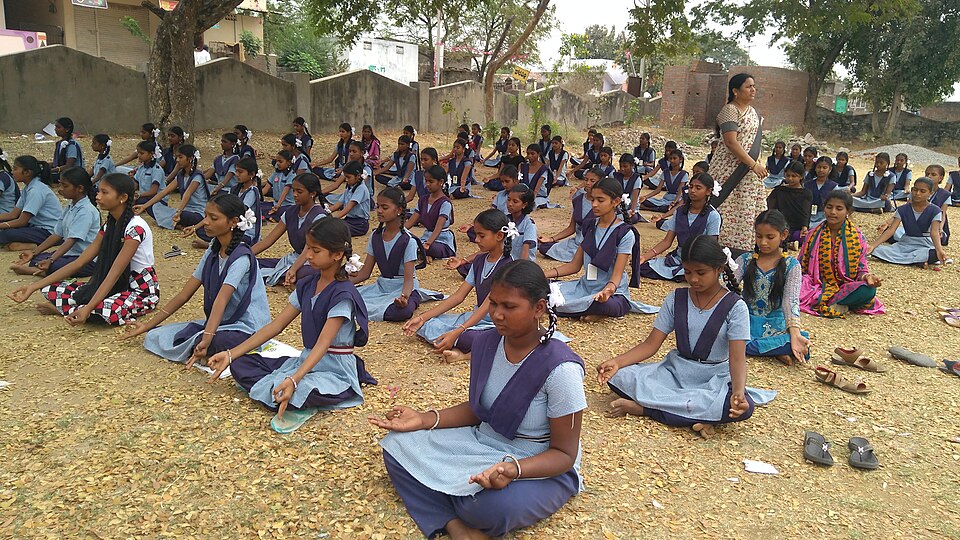
Not all breaks are equally refreshing for your brain. Effective breaks involve stepping away from the task you’re doing — ideally by going outdoors, moving your body, or doing something creative. Scrolling through social media or watching videos might feel relaxing, but research shows that screens actually increase cognitive load rather than reducing it. A quick walk, some stretching, playing with a pet, or chatting with a friend are all much better for recharging your brain. Drinking water and having a healthy snack during your break also helps restore your energy. The best breaks feel genuinely different from the work you were doing.
Adequate sleep is the single most important recovery tool your brain has. During sleep, your brain consolidates learning — meaning it organizes and strengthens the memories and skills you worked on during the day. Children aged 6 to 12 need 9 to 12 hours of sleep each night for their brains and bodies to function at their best. Not getting enough sleep leads to difficulty concentrating, moodiness, slower reaction times, and weaker immune function. A consistent bedtime routine — going to bed and waking up at the same times every day, even on weekends — helps your body get the deep, restorative sleep it needs.
Balancing a Busy Schedule
Many students today have schedules packed with school, homework, sports, music lessons, clubs, and social events with very little free time left over. While all of these activities can be valuable, having too many commitments without enough downtime is a common cause of burnout in kids. It’s okay to say no to some activities so that you have time to relax, play freely, and just be bored sometimes. Boredom actually sparks creativity because your brain starts inventing its own entertainment. Talk to a parent or trusted adult if you feel like your schedule is too full and you’re not getting enough rest.
Building Rest Into Your Routine
The smartest approach to avoiding burnout is to build regular rest into your daily and weekly routines rather than waiting until you’re exhausted. Plan short breaks during homework time — work for 25 to 30 minutes, then take a 5 to 10 minute break. Keep at least one day per weekend relatively unscheduled so you have time to recharge. Make sure your evenings include some wind-down time before bed rather than rushing from activities straight to sleep. When you treat rest as a necessary part of your schedule rather than wasted time, you’ll find that you actually accomplish more and enjoy your activities much more.
 OtterKnow Kids Encyclopedia